Tag: plumbing

Behind the Scenes: Exploring the Vital Role of Plumbers

Plumbers install, repair, and maintain pipes, fixtures, and appliances that facilitate water supply, drainage, and waste disposal in residential and commercial settings. They also interpret blueprints and other plans, inspect plumbing systems for leaks and clogs, and ensure they are installed according to building codes and regulations.Plumbers

Plumbers typically undergo classroom instruction and paid on-the-job training through an apprenticeship. They must also obtain a license to work independently. Contact Clearwater Plumbers for professional help.

A faucet that squeaks isn’t just annoying; it could indicate that there’s internal damage. A professional plumber will be able to inspect and repair the problem quickly, preventing any further water damage and saving you money in the long run.

Depending on the type of faucet, a plumber can usually make the necessary repairs within 30 to 60 minutes. The first step is to locate the parts needed to disassemble the faucet. This information can be found on the label or in the owner’s manual for the faucet. Alternatively, you can visit your local plumbing supply specialist to find the right parts. These specialists cater to professionals and can often help you find the parts you need faster than your average home center.

You can also buy repair kits that contain all the necessary components for your specific type of faucet. These kits are typically cheaper than buying individual parts and will save you the headache of having to figure out exactly what each part does. However, since hundreds of different types of faucets have been made, it’s important to know the type of faucet you have before purchasing a kit. Getting the wrong parts will only lead to more trouble and may even damage the faucet further.

If your faucet is leaking from the handle, the most likely culprit is a worn O-ring. A worn O-ring isn’t just an inconvenience; it can waste thousands of gallons of water per year. It’s a good idea to replace the O-ring while you’re disassembling the faucet to prevent leaks from occurring in the future.

Another common reason for a leaky faucet is a corroded valve seat or loose washer. Both of these issues can be very difficult to diagnose and fix without removing the entire faucet. A professional plumber will be able to assess the situation and recommend a course of action.

If your faucet is spitting or spraying water, it may indicate that there’s internal damage or a blocked aerator filter. While a sputtering faucet can sometimes be fixed by adding a little grease to the stem, you should call a plumber immediately for any other problems. Irregular water flow can cause serious damage to the faucet and other parts of your home, so it’s important to have any issues repaired as soon as possible.

Repairing the Handle

Plumbers install and repair pipes, fixtures, and appliances like sinks, toilets, bathtubs, and showers. They also inspect plumbing systems to ensure they meet building codes and regulations. This job requires attention to detail, excellent customer service skills, and the ability to work with hand tools and power tools. Plumbers often work on large commercial and industrial projects, as well as residential homes.

In new construction, they work from blueprints and architectural plans to lay pipe, set toilets and faucets, and hook up appliances like dishwashers and washing machines. They also fix existing plumbing, repairing leaks, clogs, and other issues. Plumbers often use power tools, soldering equipment, and specialized testing equipment to complete their work.

Plumbing is a physically demanding profession, requiring workers to be strong and fit. It also involves long periods of standing and working in tight spaces, so it is important for plumbers to have good physical stamina and manual dexterity. In addition to these physical requirements, plumbers must be able to think critically and solve problems quickly. They must be able to identify the source of a problem, weigh different solutions, and choose the most effective one.

Many plumbers work as independent contractors, which gives them more control over their schedules and the types of projects they take on. However, some plumbers prefer to work for a company or organization. This can provide stability, benefits, and training opportunities.

Plumbers must be licensed in order to practice their trade. This process includes classroom studies and on-the-job training under the supervision of a certified journeyperson. Applicants must pass an exam and meet state and local requirements to be licensed. Plumbers who specialize in certain areas may need additional certifications.

If your faucet handle is leaking, it’s likely because the “O” ring has stretched out and is no longer sealing properly. You can try lubricating it with penetrating oil to see if that helps. If not, you’ll need to replace it with a new one.

Removing the Spout

Plumbers are skilled tradesmen who use their knowledge of water supply, drainage, and plumbing systems to fix a variety of different problems. They must be able to diagnose and repair issues in homes, commercial buildings, and industrial facilities. They must be familiar with a wide range of tools and equipment, including wrenches, pipe cutters, soldering machines, and power tools. Plumbers also need to be aware of and follow relevant safety protocols when working with hazardous materials or in confined spaces.

The plumbing industry is constantly evolving, and plumbers must keep up with new technologies and techniques to stay competitive. This means that plumbers must be willing to undertake continuing education courses and obtain certifications. In addition, they must be able to interpret building codes and regulations, and they may need to apply for a license to work in certain areas. Plumbers are typically self-employed, but some choose to work for companies that offer plumbing services to customers.

There are a number of benefits and drawbacks to becoming a plumber, including the opportunity for job independence and flexibility. However, this career choice can also be very physically demanding and requires the ability to work with a range of hazardous materials. Furthermore, plumbers often need to travel between jobs and spend time away from home.

If you’re interested in becoming a plumber, start by attending a technical or trade school to gain the necessary skills. From there, find a local apprenticeship program that can help you learn the ins and outs of the plumbing industry. Apprenticeship programs can last between two and five years, and they’re a great way to get hands-on experience in the field.

Once you’ve finished your apprenticeship, you can take the state exam to become a licensed plumber. Once you’re certified, you can begin working on plumbing projects in the residential, commercial, and industrial sectors. You can also choose to specialise in one area of plumbing, such as sanitation, ventilation, or air conditioning.

Removing the Cylinder

A cylinder is an object that is round in shape and has a base of equal radius to its height. Cylinders are commonplace in everyday items like cold drink straws, wells and even in our homes in the form of water pipes. Plumbers are tasked with the job of installing, repairing and maintaining these systems for clean water supply, hot-water production and waste drainage. This involves working with a wide range of tools, materials and building codes. Plumbers must have strong critical thinking skills to weigh options and choose the best solution for each situation.

During the installation of plumbing systems, plumbers work from blueprints and architectural plans to lay out pipe routes and hook up appliances. This requires attention to detail and knowledge of building codes in order to ensure that the finished product is safe and compliant. Plumbers also perform maintenance on existing plumbing systems to identify and repair problems. This can involve removing clogs, fixing leaks and replacing parts.

Many plumbers are self-employed and therefore have greater flexibility in their scheduling and choice of projects. This type of work can be very satisfying as it allows plumbers to have a hands-on approach and build a rapport with their clients. However, it is important for plumbers to be organized and punctual as they often work with tight deadlines.

There are a few essential tools that you will need to replace the cylinder in an office chair:

A rubber mallet or hammer for tapping and lightly striking parts of the chair that need loosening.

An adjustable wrench and a set of large pliers. The pipe wrench or pliers will help grip and turn the cylinder during removal. A lubricating spray may be helpful as well, especially if the cylinder is stuck or has been in place for a long time.

Be sure to protect the floor and surrounding area when working with these tools, as leaking hydraulic fluid can cause serious damage. Once you have the tools, start by turning the chair upside down to access the base and cylinder. Locate the locking clip or mechanism, which can be a screw, horseshoe clip or retaining ring, and remove it. Next, gently tap the cylinder with your rubber mallet to disengage it from the base of the chair.
Why Residential Plumbers Are a Good Investment

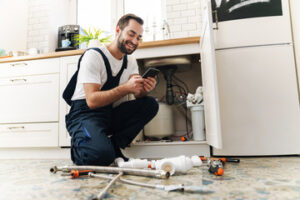
Doylestown PA Plumbers are trained to perform new installations, repairs, and replacements on plumbing fixtures and appliances in homes. They also offer emergency services.Plumbers

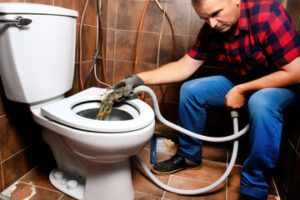
When a homeowner has a leaky faucet or toilet, it may initially seem minor. But, over time, these problems can lead to expensive water bills and potential health issues.

Most people think of plumbers as expensive, but they can actually save you money in the long run. By hiring a professional to fix your plumbing issues, you can rest assured that the problem will be fixed correctly and efficiently the first time around. Plus, plumbers can offer you tips and advice on how to keep your plumbing running smoothly and efficiently for a long time.

Even if you’re not experiencing major problems with your plumbing, it’s important to have regular maintenance done. This will help prevent any major issues from arising in the future and save you money on repairs and replacements. Residential plumbers can provide you with maintenance services that include checking for leaks, removing garbage disposal clogs, fixing toilet flushing issues, and more. They also have the tools and equipment to perform many maintenance tasks like cutting openings in walls and floors, installing new faucets, showerheads, and sinks, and replacing water heaters.

Another way that residential plumbers can save you money is by helping you make your home more energy efficient. Outdated appliances and fixtures can use a lot more energy than their modern counterparts, which will lead to higher utility bills. A plumber can install newer, more energy-efficient fixtures that will significantly cut your utility bills. This can be done in a variety of ways, including by switching to low-flow toilets, installing water-saving faucets and showerheads, and converting to a tankless water heater.

Some plumbing jobs are too complex or dangerous for DIY, and you’ll need the help of a professional. This is especially true if you have older pipes or need to replace your water heater. Professional plumbers have the training and tools to get the job done quickly and safely. They can also ensure that the new fixture is sized properly to avoid any issues down the road.

If you have a serious issue with your plumbing, such as a sewer backup, it’s important to call in a professional right away. These types of issues can cause significant damage if not addressed immediately, and they can be extremely costly to repair. Sewer backups are caused when something clogs the lines that carry waste from your house to the sewer system. This can be caused by a number of things, including tree roots, broken pipes, or even just excessive debris in the line. A residential plumber will be able to find the source of the issue and remove it before it causes any more damage.

Saves You Time

Many people try to fix plumbing problems on their own in order to save money. However, if the problem is serious, it can actually end up costing you more in the long run. Hiring a professional plumber is the best way to ensure that the job is done correctly and efficiently. It will also save you time in the long run by avoiding costly repairs and emergencies.

Licensed plumbers have extensive training in new installations and repairs. They know what to look for, so they can spot issues before they become bigger problems. Plumbers can install or replace toilets, water heaters, garbage disposals, and more. They can even reroute pipes if needed. In addition, they can assist with water conservation techniques. This will help you reduce your water bill and save on energy costs.

Another service that plumbers provide is unclogging drains and sewer lines. This can be a messy job, but it is essential to keeping your home clean and healthy. Clogged drains and sewer lines can lead to flooding, which could damage your home and cause health hazards. A plumber can use specialized tools to quickly and safely clear clogged drains and sewer lines.

Residential plumbers can also install or replace various components used in drainage systems, such as sink faucets, showerheads, and water valves. They can also repair or replace damaged pipe fittings, fixtures, and vents. Plumbers often recommend installing high-efficiency fixtures and appliances to reduce your energy bills.

In addition, residential plumbing services can include installing or repairing water filters and water softeners. These can help you reduce the amount of chemicals and contaminants in your home’s drinking water. They can also install or repair UV lights that sterilize water in your home’s water supply.

Commercial plumbers work on larger buildings such as schools, hospitals, and malls. These systems are usually more complex than those found in homes, so they can take longer to repair or maintain. Commercial plumbers must also undergo specialized training to learn how to work on these types of systems.

In addition, working on a commercial plumbing system can be dangerous. For example, plumbers may have to deal with human waste, which can contain dangerous microbes such as cholera, typhoid, hepatitis, and cryptosporidiosis. This is why it’s important to only hire licensed and reputable plumbers for your business.

Saves You Stress

When you have a residential plumber on call, it’s easier to rest easy knowing that any plumbing emergencies can be dealt with quickly and efficiently. They’ll be able to stop major damage from occurring and save you a lot of money in the process. Plus, they’ll have access to tools and equipment that may not be available to you.

For example, many residential plumbers offer drain cleaning services that can clear away soap scum and other debris that has built up in your pipes over time. This is important because a clogged drain can lead to water and waste backups, which can be both unsightly and dangerous. A plumber will use high-powered drain cleaning tools to clear away any obstructions in your home’s drain lines and get them running smoothly again.

Another service that residential plumbers provide is leak detection. This is a vital service to have performed regularly, as it can prevent serious water damage from occurring in your home. A plumber will use sophisticated leak detection equipment to locate any hidden water leaks in your home’s plumbing system and make the necessary repairs.

In addition, residential plumbers can also help you install new fixtures and appliances in your home. This includes things like sinks, toilets, faucets, and more. Having this service done by a professional can save you a lot of hassle and frustration in the long run, as it will ensure that your new items are installed correctly and that they’re up to code.

Residential plumbing companies also offer routine inspections of your home’s plumbing systems. These can be beneficial if you’re planning on selling your home in the future, as well as for those who just want to keep their homes in tip-top shape. Inspectors can look for issues such as broken or outdated pipes, clogged drains, and more. They can also recommend any upgrades or improvements that you may be interested in making.

Commercial plumbers deal with much larger plumbing systems than those found in homes. They can be found working in office buildings, restaurants, and other places that require large amounts of water for heating and cooling, as well as for washing and cooking. A licensed commercial plumber will have the experience and training to deal with these larger systems, as well as the knowledge to work with different types of pipe materials.

Saves You Energy

Residential plumbers can help you conserve water and energy in a number of ways. For example, they can help you install water-efficient fixtures and appliances that use less water than their traditional counterparts. They can also fix leaks and clogged drains to prevent wasted water and high utility bills. Additionally, eco-friendly plumbing services can help you save money by reducing your home’s energy consumption and emissions.

Leaks and running toilets can waste gallons of water in a short period of time, especially if the leaks aren’t fixed right away. A plumber can inspect your water meter to find out how much water is being lost each month. They can then recommend the best course of action to take to address the issue and stop it from happening again.

Licensed residential plumbers are trained to install, repair, and replace most household plumbing fixtures, including toilets, water heaters, garbage disposals, and more. They are familiar with the five most common types of domestic pipes, which include PEX, PVC, ABS, and copper. They can also work on older galvanized pipes, although this isn’t as common in newer homes.

Another service that many residential plumbers offer is sewer line repair and installation. This is more complex than regular plumbing services, and it’s important to leave it to professionals. A backed-up sewer line can flood your home with waste and create a health hazard. A plumber can snake the line and clear any clogs to prevent this from happening.

A residential plumber can also perform a whole-home plumbing inspection to detect any issues with your plumbing system. They can then provide you with a list of options for improving your home’s plumbing and suggest repairs that will save you money in the long run. This inspection can help you identify problems like corroded pipes, old or worn-out fixtures, and other potential issues that can be costly to fix later on.

In addition to these services, a plumber can also help you make your home more energy-efficient by installing or replacing your current fixtures with greener models. They can recommend tankless water heaters, energy-efficient showerheads and faucets, and insulating your pipes. These small changes can add up to significant savings on your energy and water bills.

What Does a Residential Plumber Do?

Residential plumbers work on piping and fixtures associated with water supply, waste removal, heating, and sanitation systems. They typically complete an apprenticeship program that mixes paid on-the-job training with classroom teachings.Plumber

Working on a commercial plumbing system can be complex compared to residential plumbing. It also requires higher insurance coverage and in-depth licensing. Contact Joe Plumber for professional assistance.

Whether it’s your clothes washer that never fills or your showerhead that turns into an anemic sprinkling device, low water pressure can greatly impact your home life. Thankfully, there are several solutions to increase the amount of water rushing through your pipes to meet your household needs and boost your energy-efficient plumbing system.

If you notice a specific faucet or fixture has low pressure, it could be an issue with the fixture itself or a clogged line or valve. In these scenarios, replacing or cleaning the fixture can usually fix the problem and restore normal water flow.

You may also want to consider contacting your municipal water supply company to report the problem. This can help ensure they are aware of the issue and are working to improve your water pressure.

Another reason for low water pressure can be a faulty shutoff valve. This can usually be located near the water meter in your home. This valve controls the water flow from the main city water line to your house and should be closed when you are not using any water in your home. If your shutoff valve is broken, leaking or seized, it will need to be replaced by a professional plumber.

You can also try to flush out your home’s water lines to remove any mineral buildup that may be restricting the water flow. This will also help to maintain proper water pressure in your home and reduce your water bills. In some cases, you may need to replace your entire pipe system with a newer, more efficient version. If you are at a higher elevation, the lower atmospheric pressure can also affect your water flow.

Optimized Water Flow

Residential plumbers can help ensure that your home’s water supply is running smoothly and efficiently. They can install and replace water heaters, fix drainage issues, and more. This can result in better water pressure throughout your home and improved efficiency when washing dishes, showering, and more. They can also prevent leaks and floods by identifying and fixing any potential problems with your plumbing before they become worse.

In residential plumbing situations, it’s common for plumbers to use CPVC or PP pipes for risers and headers, while using smaller PEX or PE-RT tubing for drops to individual fixtures. These systems are designed to provide a balance between flexibility and performance, while also offering affordable installation costs. However, it’s important to note that this type of plumbing system is not suitable for all homes and may require specialized installation techniques.

Another important function of residential plumbers is to repair and maintain sewage systems. These systems are responsible for removing waste from your home, including faeces and vomit. Therefore, they are extremely important for preventing the spread of infectious diseases.

It’s essential to find a residential plumber who is experienced in dealing with these systems, as they can identify and fix any issues quickly and effectively. They can also help you avoid costly repairs in the future by ensuring that your sewage system is working properly. Additionally, a residential plumber will be able to install and replace your toilets, tubs, and faucets to improve the overall look of your home. This can be a great way to add some extra value to your home if you decide to sell it in the future. They can also recommend the best toilets, faucets, and other fixtures for your home that will suit your personal style.

Prevent Leaks and Flooding

A residential plumber can help avoid costly repairs caused by leaks or flooding. They can also prevent health problems such as mold, and they can reduce the risk of fires by installing sprinkler systems. A professional plumber will install or repair pipes and fittings, including bathtubs, showers, faucets, garbage disposals and water heaters. They can also install or repair appliances such as washing machines, refrigerators and dishwashers.

Leaks are common and can cause significant damage if not dealt with promptly. However, most of them are easy to spot. For example, if your water meter has a reading higher than usual after you’ve used a lot of water, it might indicate a leak. In the case of a serious leak, it’s important to call an emergency plumber right away.

The same goes for floods, as they can cause severe structural damage to your home and furniture. It’s essential to have an emergency plumber in your phone contacts so you can call them when needed.

It’s best to have your plumbing system inspected and maintained regularly by a residential plumber to avoid these issues. This includes checking for potential leaking taps, toilets, showerheads and fittings underneath sinks, among other things. A plumber will also inspect the pipes to ensure they’re sturdy and free from cracks or corrosion.

Preventing leaks and floods can save you a lot of money in the long run. They can also prevent damage to your property and valuables. For instance, a plumbing leak can lead to water damage that could cost thousands of dollars to repair. In addition, it can lead to the loss of sentimental items that you might have kept in your basement or attic.

Expert Advice and Support

As the name suggests, residential plumbers specialize in working with the plumbing systems of homes. They install, repair and maintain all pipes that carry water or gas throughout the building. The work they do covers everything from interpreting blueprints and building specifications to identifying potential problems and inspecting drainage systems. A professional residential plumber can help you choose the best equipment for your needs, and ensure that all work is done safely and efficiently.

Choosing the right residential plumber is important, and you should take the time to read reviews online to find one with a good reputation. You can also ask friends and family for recommendations. Once you’ve narrowed down the options, check that your chosen plumber is licensed. You can do this by visiting the website of your local city or state government. Warner Service has a helpful guide that will show you how to confirm a plumber’s license status in your area.

You should also check whether your plumber has insurance coverage. This will protect you from any additional costs if something goes wrong during the job. A reputable plumbing contractor will have workers’ compensation and general liability insurance coverage to protect their employees in case of an accident on the job site.

Having the right plumber can improve your home’s water pressure and optimize its flow. They can also prevent leaks and flooding by identifying problems in the plumbing system. Regular maintenance from a residential plumber can also help you save money in the long run by catching small issues before they become bigger problems. In addition, a plumber can help you avoid costly damages by quickly fixing any drainage issues that may arise.

Avoid Costly Damages

The cost of hiring a professional plumber to resolve plumbing issues can save property owners the expense of major repairs or replacements down the line. Professionals have the advanced tools, expertise, and cost-efficient solutions to address issues like persistent leaks, stubborn clogs, water heater malfunctions, and more. They also offer maintenance services to help avoid plumbing disasters and extend the life of residential pipes, faucets, fixtures, and appliances.

In addition to their education and certifications, residential plumbers typically carry general liability insurance that covers the cost of associated medical expenses, property damage, and other costs that may result from accidents in the workplace. While this coverage is not required by law, it is recommended for all trade professionals.

Plumbing problems can occur at any time, and homeowners must be prepared to respond quickly when an incident occurs. This is why it is important to choose a plumber with 24/7 availability, as they can be trusted to provide prompt assistance and guaranteed solutions whenever a problem arises. Additionally, choosing a plumber with experience in the specific type of residential plumbing system you have can ensure that your repair or installation job is completed correctly the first time around.

While some issues are easier to fix than others, ignoring them can lead to long-term damage and higher utility bills. A residential plumber can help you avoid these problems by conducting regular maintenance and addressing any immediate concerns. For example, a plumber can check your home for leaks and make sure your water pressure is optimal. They can also recommend energy-efficient fixtures and appliances to reduce your energy costs. These investments will save you money and improve your comfort in the long run.

Navigation