
Kitchen Remodeling Mistakes to Avoid

https://builderland.org/

A kitchen is a big investment, so you want to make sure your renovation is done right. To do this, you need to avoid common kitchen remodeling mistakes.

Many homeowners focus on aesthetics (beautiful backsplash, trendy hardware) and overlook functionality. Ensure you plan enough space for the “kitchen workflow triangle” (sink, stove and refrigerator) and adequate traffic lanes. Also, don’t forget about outlets. Visit https://builderland.org/ for more details.

1. Not Having a Plan

The number one mistake homeowners make when remodeling their kitchen is not having a plan. It’s easy to get swept up in the excitement of a kitchen remodel and start dreaming about high-end materials, but without a set budget you could end up spending way more than you can afford and ending up with a less than perfect finished product.

Another common mistake homeowners make is not planning for proper storage solutions. It’s important to assess your storage needs before you start picking out cabinets or appliances. It’s also a good idea to take stock of your kitchen items, and consider what you use frequently (such as spices, cooking oil, or small appliances). By doing this in advance, you can make sure you are planning for enough storage space that meets your needs.

In addition to storage, it’s important to plan for circulation. This can be done by determining the traffic patterns of how people will move in and out of the kitchen, as well as where they will be seating. It’s also important to have specific plans for where trash, recycling, composting, and dog bowls will be located, as well as a place to drop bags of groceries.

Finally, it’s important to plan for electrical outlets. This is something that’s often overlooked, but it’s crucial to have adequate outlets in the kitchen. Be sure to plan for outlets near every large appliance as well as the everyday countertop appliances that require an outlet. Be sure to also plan for extra outlets to accommodate occasionally used appliances, such as a blender or food processor.

2. Not Having a Budget

A kitchen remodel can become expensive quickly if the homeowners are not clear on their budget from the start. If a homeowner doesn’t tell their designer what they are willing to spend, the design becomes a time-consuming guessing game that may not result in an optimum outcome for the client. The best way to avoid this is to set a firm budget upfront and stick to it.

A common mistake is to over-spend on one part of the project and skimp on another. For example, a remodeler might cut corners on materials to keep the price low and this can lead to a subpar final product.

It is also important for the remodeling contractor to have a clear understanding of how the client plans on financing their kitchen remodel. Some people choose to take out a home equity loan which can help them save on interest costs. However, this type of loan can put other financial obligations like mortgage payments and debt payments at risk and should only be used for essentials like a new kitchen.

Other common mistakes include not providing enough space for storage and allowing a kitchen to feel congested. A homeowner should consider the number of people who will use the kitchen at once and plan accordingly for flow and traffic. For instance, it is helpful to provide ample storage for small appliances such as blenders, food processors and microwaves so they are not left out on the counter causing clutter.

It is also important to have a clear understanding of lighting requirements for the kitchen and to have ample electrical outlets. During the design phase, it is recommended that the homeowner map out where they want to place each light fixture as well as where they will need outlets for their everyday countertop appliances and even occasionally used appliances (like a mixer or blender). This will allow the client to ensure their space meets all of their needs.

3. Not Having a Designer

Having a professional designer on your team can ensure that every element of your kitchen will be functional and beautiful. During the design process, they will work with you to determine where each large appliance will go as well as other important elements such as outlets and lighting. When planning for lighting, they will consider both ambient (ceiling can lights) and task (work area fixtures) light levels. They will also help plan outlets for not only the large appliances, but for smaller ones like mixers and coffee grinders as well. It’s easy to overlook these details during construction, but they can be very costly to fix later.

4. Not Having a Contractor

Remodeling a kitchen can be one of the most complex and rewarding investments in a home. However, a small planning error can lead to budget overruns or long-term regrets. This article from Space Construction will help you avoid common kitchen remodeling mistakes and ensure your project goes smoothly.

Kitchen remodels require extensive work and specialized knowledge of building codes, plumbing, and electrical systems. A homeowner with no professional experience may end up with costly errors, missed deadlines, and unfinished work.

Contractors must be licensed and insured to demonstrate their professionalism, dedication to industry standards, and commitment to quality work. Choosing an inexperienced or dishonest contractor can result in cost overruns, schedule slippage, and even litigation.

Many homeowners attempt to save money by doing their own remodels instead of hiring a professional. But DIY projects can quickly become complicated and dangerous, especially when it comes to working with electrical and plumbing systems. Not only can DIY remodels be expensive, but they can also lead to dangerous and costly mistakes that can jeopardize the safety of your family. To prevent this from happening, find a contractor you can trust to complete your kitchen remodel. To do this, get multiple estimates and compare them against market rates for similar work in your area.

5. Not Having a Contractor You Can Trust

It’s important to hire a contractor that you can trust when remodeling your kitchen. A reputable contractor will provide transparent pricing and timelines for the project. They will also have a portfolio of past work that showcases their design skills. It’s also important to ask for references. When speaking with past clients, be sure to inquire about the contractor’s professionalism, communication throughout the remodel process, and overall satisfaction.

Another mistake homeowners make when remodeling their kitchen is ignoring proper storage and organization solutions. A well-designed kitchen should be both beautiful and functional, so it’s important to plan ahead for all the items you need to stow away in your cabinets and drawers. This includes assessing all the cookware you have, from tall stock pots to cookie sheets, and planning ample space for each item. It’s also helpful to consider how much circulation space you need in your kitchen. For example, if you plan seating at an island that backs up to the refrigerator, ample clearance needs to be planned between doors and shelves so you can open the fridge without bumping into the seats.

When choosing a kitchen remodeling contractor, look for one who is licensed and insured. They should also be a member of professional organizations, which shows that they follow industry standards and guidelines. It’s also a good idea to read online reviews and testimonials before making a decision. Finally, it’s a good idea to choose a contractor with extensive experience in kitchen remodeling. This will ensure that they have the skills and knowledge necessary to create a functional and appealing kitchen. If you’re unsure about which contractor to choose, contact several and request quotes and references.
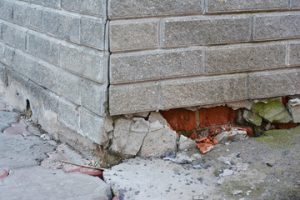

Common Foundation Problems and Effective Repair Methods for Long-Term Protection

A strong, stable foundation is essential for any building, whether residential or commercial. The foundation supports the entire structure, ensuring its safety, longevity, and value. Unfortunately, foundations are prone to various issues over time due to environmental conditions, construction defects, and natural wear and tear. Recognizing common foundation problems and knowing the most effective repair methods is crucial for maintaining structural integrity and preventing costly damage. A professional Foundation Repair Murfreesboro TN can help property owners spot underlying issues and prevent costly repairs.

foundation repair

Understanding Foundation Problems

Foundation problems occur when the soil beneath a building shifts or when the structural elements of the foundation weaken. These issues can manifest in subtle ways or become more noticeable as damage progresses. Addressing problems early is critical because foundation issues can lead to structural instability, water infiltration, and even safety hazards.

Some of the most common signs of foundation problems include cracks in walls or floors, uneven flooring, doors and windows that stick or fail to close properly, and water seepage in basements or crawl spaces. Recognizing these warning signs promptly allows property owners to take action before the damage worsens.

Common Types of Foundation Problems

Several types of foundation problems are frequently observed in buildings. Understanding these issues can help property owners identify the root cause and choose the most suitable repair method.

1. Foundation Cracks

Cracks are among the most common foundation issues. They can appear in concrete walls, basement floors, or masonry surfaces. While some small cracks are superficial and result from natural settling, larger or widening cracks may indicate serious structural issues. Cracks that are horizontal, stair-stepped, or accompanied by water infiltration require immediate attention.

2. Foundation Settlement

Settlement occurs when the soil beneath a foundation compacts unevenly, causing parts of the structure to sink. This can lead to uneven floors, tilted walls, and misaligned doors and windows. Settlement often results from poor soil compaction during construction, erosion, or changes in soil moisture content.

3. Foundation Heaving

Heaving happens when the soil beneath a foundation expands, typically due to excessive moisture or clay-rich soils. The expansion pushes the foundation upward, creating cracks in walls, floors, and driveways. Heaving can compromise structural integrity if left unaddressed.

4. Water Damage and Hydrostatic Pressure

Water accumulation around a foundation can create hydrostatic pressure, which forces water into basements or crawl spaces and weakens structural elements. Prolonged exposure to moisture can lead to mold growth, wood rot, and corrosion of metal components, further exacerbating foundation problems.

5. Bowing or Leaning Walls

Walls may bow or lean due to lateral pressure from surrounding soil. This is common in basement walls that lack proper reinforcement. Bowing walls can compromise structural stability and may eventually collapse if not repaired promptly.

6. Soil Erosion or Poor Drainage

Erosion and poor drainage around a building can wash away supporting soil, causing voids beneath the foundation. This undermines stability and increases the risk of cracks, settlement, or tilting. Proper grading and drainage are essential for preventing such problems.

Effective Repair Methods for Foundation Issues

Once foundation problems are identified, selecting the appropriate repair method is essential for long-term protection. Several proven techniques are used by foundation repair professionals to address different types of issues.

1. Crack Repair

Cracks in concrete or masonry can be repaired using epoxy injections or polyurethane foam. These materials fill gaps, restore structural integrity, and prevent water infiltration. Small, hairline cracks may only require surface sealing, while larger cracks necessitate more extensive reinforcement.

2. Foundation Underpinning

Underpinning involves strengthening or stabilizing the foundation by extending its depth or distributing the load more evenly. This technique is often used for buildings experiencing settlement or unstable soil conditions. Methods such as piering, where steel or concrete piers are driven into stable soil layers, provide long-term support and prevent further sinking.

3. Slab Jacking or Mudjacking

For concrete slab foundations that have settled unevenly, slab jacking (also known as mudjacking) can restore level surfaces. This process involves pumping a grout mixture beneath the sunken slab, lifting it to the desired level, and filling voids to stabilize the soil. Slab jacking is a cost-effective solution for minor settlement issues.

4. Foundation Wall Reinforcement

Bowing or leaning walls can be reinforced using steel braces, carbon fiber strips, or wall anchors. These methods counteract lateral soil pressure and prevent further movement. Carbon fiber strips are particularly popular for their strength, minimal intrusion, and long-term durability.

5. Waterproofing and Drainage Solutions

Addressing water damage and hydrostatic pressure requires proper drainage and waterproofing. Installing French drains, sump pumps, or exterior waterproof membranes directs water away from the foundation, reducing pressure and preventing leaks. Interior waterproofing solutions, such as vapor barriers and sealants, further protect against moisture infiltration.

6. Soil Stabilization

For foundations affected by expansive or unstable soils, soil stabilization techniques are employed. This may involve injecting stabilizing compounds, improving compaction, or adding engineered fill to create a more stable base. Proper soil stabilization mitigates the risk of heaving, settlement, and erosion.

Preventive Measures for Long-Term Protection

While repair methods address existing foundation problems, preventive measures help protect the foundation from future damage. Regular inspection and maintenance are key components of foundation longevity.

  • Regular Inspections – Conduct periodic checks for cracks, uneven floors, or water intrusion to catch issues early.
  • Proper Drainage – Ensure gutters, downspouts, and landscaping direct water away from the foundation. Avoid excessive watering near the building’s perimeter.
  • Soil Moisture Management – Prevent extreme fluctuations in soil moisture by maintaining consistent watering schedules and addressing drainage problems.
  • Tree and Plant Placement – Avoid planting large trees or shrubs too close to the foundation, as roots can disturb soil stability.
  • Foundation Maintenance – Seal minor cracks promptly, maintain exterior grading, and inspect basement walls for signs of bowing or moisture.

Taking proactive steps reduces the risk of major structural issues and extends the life of the foundation.

Signs It’s Time to Consult a Professional

Not all foundation issues can be managed with DIY solutions. Professional assessment is necessary when you notice:

  • Cracks wider than 1/4 inch, particularly horizontal or stair-step cracks.
  • Doors or windows that stick or fail to close properly.
  • Uneven or sloping floors.
  • Bowing or leaning walls in basements or crawl spaces.
  • Water seepage or persistent moisture issues around the foundation.

Foundation repair professionals can provide accurate diagnostics, recommend the most effective solutions, and execute repairs that ensure long-term protection.

Choosing the Right Foundation Repair Service

Selecting a reputable foundation repair service is crucial for quality results. Property owners should consider:

  • Experience and Expertise – Ensure the company has a proven track record in diagnosing and repairing foundation problems.
  • Detailed Assessment and Estimate – Professional services should provide thorough inspections and transparent pricing.
  • Warranty and Follow-Up Services – Reliable companies offer warranties and ongoing support to ensure repairs remain effective.
  • Customer Reviews and References – Feedback from previous clients offers insight into reliability, professionalism, and success rates.

Working with experienced professionals ensures that repairs are completed safely, efficiently, and with long-lasting results.

Foundation problems are a serious concern for any property owner. From cracks and settlement to water damage and soil instability, these issues can compromise the safety, functionality, and value of a building. Recognizing common signs, understanding repair methods, and implementing preventive measures are essential for long-term foundation protection.

Professional foundation repair services provide effective solutions tailored to the specific challenges of each property. Techniques such as crack repair, underpinning, slab jacking, wall reinforcement, waterproofing, and soil stabilization ensure that foundations remain stable and secure for years to come.

Regular inspection, proper drainage, and proactive maintenance further protect the foundation from future problems, preserving structural integrity and extending the life of the building. Investing in professional repair and preventive measures not only safeguards your property but also provides peace of mind, knowing that the foundation supporting your home or business is strong, stable, and built to last.

How Weather and Climate Affect Pest Activity

Pest activity is closely connected to environmental conditions, particularly weather and climate. Changes in temperature, humidity, rainfall, and seasonal patterns all influence how pests behave, reproduce, and move. Understanding how weather and climate affect pest activity is essential for effective prevention and long-term pest management. By recognizing these patterns, property owners can anticipate potential infestations and take proactive steps to protect their spaces. Discover further details at https://www.benspest.biz/.

The Relationship Between Pests and Environmental Conditions

pest

Pests are highly adaptive organisms that rely on environmental cues to survive. Weather and climate determine the availability of food, shelter, and breeding conditions. When these factors align, pest populations can grow rapidly. Conversely, unfavorable conditions may force pests to migrate or seek alternative environments, often indoors.

Climate refers to long-term weather patterns, while weather represents short-term changes. Both play a role in shaping pest behavior. Shifts in either can influence pest life cycles, activity levels, and infestation risks.

Temperature and Pest Behavior

Temperature is one of the most influential factors affecting pest activity. Most pests are cold-blooded, meaning their body temperature and activity levels depend on their surroundings. Warmer temperatures generally increase metabolism, leading to higher activity and faster reproduction.

In colder conditions, many pests slow down, become dormant, or seek shelter. This often drives them indoors, where temperatures remain stable. Understanding temperature thresholds helps explain why certain pests appear seasonally and why infestations can spike during specific times of the year.

Seasonal Temperature Changes and Infestation Patterns

Seasonal temperature shifts create predictable pest activity cycles. In warmer months, insects tend to be more visible as they forage, breed, and expand their territories. Increased outdoor activity raises the likelihood of pests entering buildings in search of food and water.

During cooler months, pests often prioritize survival. Reduced outdoor resources and lower temperatures push them toward enclosed spaces. This seasonal migration makes regular monitoring and preventive measures especially important throughout the year.

Humidity and Moisture as Pest Attractants

Humidity plays a significant role in pest survival and reproduction. Many pests thrive in moist environments, where dehydration risks are minimal. High humidity levels support breeding, egg development, and microbial growth that attracts certain insects.

Moisture problems within buildings, such as leaks or condensation, create ideal conditions for pests regardless of the outdoor climate. Weather patterns that increase humidity or rainfall can amplify these issues, making moisture control a critical aspect of pest prevention.

Rainfall and Pest Movement

Rainfall affects pest activity in multiple ways. Moderate rainfall can increase vegetation growth, providing food and shelter for pests. Excessive rainfall, however, may flood nests and burrows, forcing pests to relocate.

When outdoor habitats become saturated, pests often move toward higher, drier ground. This frequently leads them into homes and buildings. Understanding rainfall patterns helps explain sudden increases in indoor pest activity following storms or prolonged wet periods.

Drought Conditions and Pest Adaptation

Drought conditions can also influence pest behavior. Limited water availability forces pests to seek moisture wherever it can be found. This often leads to increased activity around plumbing systems, irrigation areas, and indoor spaces.

During droughts, pests may become more aggressive in their search for resources. Reduced natural food sources can drive them toward human environments, increasing the risk of infestation even in otherwise dry conditions.

Wind and Pest Dispersal

Wind plays a less obvious but still important role in pest movement. Strong winds can carry flying insects over long distances, introducing them to new environments. Wind can also displace pests from their natural habitats, pushing them toward sheltered areas.

Changes in wind patterns can affect how pests spread and where they settle. Buildings that offer protection from wind often become attractive refuge points, especially during storms.

Climate Change and Long-Term Pest Trends

Long-term climate changes are altering pest activity patterns worldwide. Gradual increases in average temperatures extend breeding seasons and allow pests to survive in areas previously unsuitable for them. Milder winters reduce natural population controls, leading to larger pest populations.

Changes in climate can also shift pest life cycles, making infestations less predictable. Extended warm periods may result in multiple breeding cycles within a single year, increasing overall pest pressure.

The Impact of Extreme Weather Events

Extreme weather events such as heatwaves, heavy storms, and sudden temperature fluctuations can disrupt pest populations. These events may temporarily reduce certain pests while creating opportunities for others.

Following extreme weather, pest activity often rebounds quickly. Damaged structures, standing water, and debris create new entry points and breeding sites. Proactive inspections after extreme weather help identify and address emerging risks.

How Weather Influences Pest Reproduction

Weather conditions directly affect pest reproduction rates. Warm temperatures and high humidity accelerate egg development and larval growth. Favorable conditions can lead to rapid population increases in a short time.

Unfavorable weather may slow reproduction but rarely eliminates pests entirely. Many species have survival strategies that allow them to persist until conditions improve. This resilience highlights the importance of ongoing pest monitoring.

Weather-Driven Changes in Food Availability

Weather affects plant growth, decay, and food availability for pests. Abundant vegetation during certain seasons supports higher pest populations. Conversely, weather-related crop damage or reduced plant growth can drive pests toward alternative food sources.

Human environments often provide consistent food access, making them especially attractive during periods of environmental stress. This connection explains why pest activity often increases indoors following significant weather changes.

Indoor Climate Control and Pest Activity

Indoor climate control can influence pest behavior as well. Heating and cooling systems create stable environments that attract pests seeking consistent temperatures. Poorly maintained systems may also introduce moisture and shelter opportunities.

While indoor climate control improves comfort for occupants, it can inadvertently support pest survival. Regular maintenance and inspections help minimize these risks.

Predicting Pest Activity Based on Weather Patterns

Understanding weather patterns allows for better prediction of pest activity. Anticipating seasonal changes, rainfall trends, and temperature shifts helps property owners prepare for increased pest pressure.

Predictive awareness supports preventive pest management strategies. By addressing vulnerabilities ahead of time, property owners reduce the likelihood of infestations during peak activity periods.

Preventive Measures Aligned With Weather Conditions

Effective pest prevention adapts to changing weather conditions. Sealing entry points before colder seasons, managing moisture during wet periods, and maintaining sanitation during warmer months all contribute to reduced pest risks.

Aligning preventive measures with weather patterns ensures year-round protection. This proactive approach minimizes the need for reactive treatments and supports long-term pest control success.

The Role of Inspections in Weather-Related Pest Control

Regular inspections are essential for managing weather-related pest risks. Inspections help identify how weather has impacted a property, including new entry points, moisture issues, or environmental changes.

By addressing these factors promptly, inspections prevent weather-driven pest problems from escalating. Consistent monitoring supports adaptive pest management strategies that respond to changing conditions.

Adapting Pest Control Strategies to Climate Trends

As climate trends continue to evolve, pest control strategies must adapt. Long-term planning that accounts for shifting pest behaviors and extended activity seasons is increasingly important.

Adaptive strategies focus on prevention, education, and monitoring rather than short-term solutions. This forward-thinking approach ensures effective pest management in a changing environment.

Why Awareness Matters for Property Protection

Awareness of how weather and climate affect pest activity empowers property owners to take timely action. Recognizing patterns reduces surprise infestations and supports informed decision-making.

Education and awareness also encourage collaboration between occupants and pest control professionals. Shared understanding leads to more effective and sustainable outcomes.

Long-Term Benefits of Weather-Informed Pest Management

Weather-informed pest management reduces risks, costs, and disruptions over time. By anticipating pest activity, property owners can implement targeted preventive measures that protect structures and health.

This proactive approach supports long-term property protection and peace of mind. Understanding the connection between weather, climate, and pests creates a strong foundation for effective pest control.

Weather and climate play a powerful role in shaping pest activity. From temperature and humidity to rainfall and long-term climate trends, environmental conditions influence how pests survive and spread. Understanding these factors allows property owners to anticipate risks and respond proactively.

By aligning pest management strategies with weather patterns and climate conditions, infestations become easier to prevent and control. A weather-aware approach to pest management ensures healthier, safer, and more resilient living and working environments year-round.

Metal Railing Vs Glass Or Wood Systems for Staircases

Handrails are essential safety features for staircases, walkways, and balconies. They can also enhance the design of a space. Wood reads warm and classic, fitting well in traditional or rustic designs. However, it requires regular upkeep.

Architecture Stairway Metal Railing includes wrought iron and aluminum, fitting modern designs with strength and durability.

Durability

railings

When it comes to choosing a railing material, there are more factors to consider than just aesthetics. The type of railing you select can impact your home’s safety, maintenance requirements, and cost. The right railing blends seamlessly with your home’s architecture, meets building codes, and adds value that lasts for years to come.

Wood railings offer a warm, natural look that complements rustic or traditional design themes, but they also require periodic care to protect against splinters and moisture damage. Metal, on the other hand, is a sleek option that delivers long-term durability and low upkeep. Stainless steel is a popular choice for indoor railings because it resists corrosion and doesn’t warp or degrade over time. Its versatility makes it a good choice for projects that incorporate diverse design styles, including modern, contemporary, or transitional.

Glass railings, on the other hand, create a light-filled look that maximizes sightlines. They are a great option for spaces with stunning scenery, as they allow natural light to flow throughout the room and showcase architectural details without obscuring them. However, glass railings can be fragile and must be installed by a professional. They are also more susceptible to fingerprints and smudges, so regular cleaning is necessary.

Stainless steel and aluminum railings are a durable, stylish option that can be used both indoors and outdoors. They are also easy to maintain, with a simple wipe-down and occasional coating of rust-preventive wax. Additionally, metal is not impacted by humidity changes like wood, so it holds up better in harsh environments. These benefits make metal a strong contender in high-traffic areas, such as busy commercial spaces. Its versatility allows you to customize it to fit your space, whether with minimalist black powder-coating or ornate wrought iron with curves and flourishes. Regardless of your design preference, there is a metal handrail that suits your project and fits your budget. Whether you want a simple, clean design or something more elegant, you can find the perfect match for your project in our gallery of interior stair railing ideas. Choose from modern twist shapes, sawn balusters, or custom designs that can be easily installed by a professional.

Maintenance

When choosing a railing system, it’s important to consider both its longevity and upkeep needs. Some materials require more maintenance and care than others, with a particular focus on weather protection and surface upkeep. A metal handrail system is a modern choice that offers superior durability and requires minimal upkeep, saving you time and money in the long run.

Metal handrails are sleek and versatile, with a wide variety of styles and designs to complement your aesthetic. From minimalist black powder-coated aluminum to ornate wrought iron with curves and flourishes, metal can be customized to suit your design vision. They are also extremely durable, resisting rust and corrosion in extreme weather. And despite their sleek profile, they are often heavier than wood or glass, making them more stable and secure.

Wood has a warm and natural look that feels at home in traditional spaces, but requires regular refinishing to maintain its beauty. It is also susceptible to moisture damage and termite infestation, and can fade over time. Glass delivers a bright, open feel and floods interiors with light, but it shows dirt quickly and requires constant cleaning to remove fingerprints, smudges, and dust.

The ideal material for your stair railing depends on your style and lifestyle, as well as building code requirements and your budget. A railing professional can flag code and maintenance concerns and help you weigh your options. If you can’t decide, mixing materials is a great solution — wood handrails on a metal frame or glass panels on a simple steel base give you the best of both worlds.

Safety

The railings you choose for your staircase impact more than just the way your home looks. The material you select also affects your safety, the level of maintenance required, and how long it will last. The right choice blends seamlessly with your home’s architecture, meets building codes, and adds value that will stand the test of time.

Stair railings are primarily designed to prevent people from falling off the edge of stairs and landings. They act as a barrier, especially on open staircases, and must be able to support the weight of a person holding on to it for balance. They can include a handrail, but aren’t always required.

Wood stair railings offer warmth and classic character, and work well in traditional or craftsman-style homes. They can be stained or painted for additional customization options, but they require periodic refinishing.

Metal stair railings are sleek and durable, and their clean lines suit modern or minimalist spaces. They can be welded for strength and to reduce installation costs, or they can be made with prefabricated sections that help speed up the project timeline. They’re not susceptible to rust, and they can easily be cleaned with soapy water. However, they are more prone to damage caused by high winds and temperature swings, and may need occasional painting or welding repairs.

Glass stair railings offer that open, light-filled look, and protect your view while illuminating the space. They’re more aesthetically striking than wood or metal, but they also tend to cost more upfront due to the higher material and installation costs associated with tempered or laminated glass panels. They also require more frequent cleaning because fingerprints and smudges show up quickly.

A professional stair and railing installer can help you find the best option for your home. Experienced teams know local codes and regulations inside out, and can help you secure permits and pass inspections. They can also advise on design options that integrate safety and aesthetics, like combining wood for newel posts and balusters with sleek, metal handrails. They can even create an ornate, wrought iron style that blends durability and elegance.

Aesthetics

Stair rails and handrails offer both safety and aesthetic value, providing structural support and a visual guide for people as they move through a home, office, or public space. Properly installed, they enhance safety by creating a physical barrier and preventing falls and accidents. In addition, they can elevate the design of a staircase and an entire building. When choosing a stair railing material, consider your design preference, maintenance needs, and budget constraints.

Metal railings come in a variety of styles and materials, from affordable aluminum to pricier custom steel. They are durable and low-maintenance, with an attractive finish that complements a range of architecture and design styles. Their robustness makes them an excellent choice for high-traffic areas. However, they can be cold in traditional interiors and may require more maintenance than wood or glass railings.

Glass railings are often preferred in contemporary spaces, as they offer a sleek, modern aesthetic and allow light to pass through unobstructed. They also make spaces appear bigger and brighter, making them ideal for balconies, decks, and staircases. Unlike traditional railings, glass requires more frequent cleaning. In addition to smudges, fingerprints, and pet nose prints, they can show water stains more quickly.

Wood and glass are both durable and easy to maintain, but they have different aesthetics. Wood looks natural and fits with a wide range of architectural styles, while glass complements modern designs and elevates the look of upscale homes. Both require regular sanding and refinishing to preserve their appearance, though, and both can be susceptible to rust if exposed to water or moisture.

As you weigh your options, be sure to consult a professional. A trained railing contractor can help you select the right style and material, flag code and maintenance requirements, and provide an accurate estimate. A quick consult can save you from costly do-overs and ensure your new stair railing is code-compliant and will hold up to the wear and tear of daily use. Contactus today for measured recommendations, clear pricing, and a clean, code-compliant installation that fits your space.

From Concept to Completion: How Successful Construction Projects Really Work

Every successful construction project begins long before the first tool is lifted or the first material arrives on-site. Behind every well-built structure is a carefully planned process that transforms an idea into a finished result through strategy, communication, and expert execution. Understanding how Construction projects truly work—from concept to completion—helps property owners, investors, and builders make smarter decisions, avoid costly delays, and achieve results that last for years. When each phase is approached with intention and clarity, the entire experience becomes more efficient, predictable, and ultimately more rewarding.

construction

The earliest stage of any construction project focuses on defining the vision. This phase often involves clarifying the purpose of the project, setting realistic expectations, and identifying the features that matter most. Many beginners underestimate the importance of early planning, yet this step determines how smoothly everything else unfolds. Clear goals help guide design choices, budgeting decisions, and timelines. During this stage, professionals analyze factors such as structural requirements, functionality, and future maintenance needs. Rather than rushing into building, successful projects invest time in creating a strong conceptual foundation that balances creativity with practicality.

Once the vision is established, the design and planning phase begins to shape the project into something tangible. This stage goes beyond simple sketches; it includes technical drawings, material considerations, and workflow organization. Effective planning often revolves around three key priorities:

  1. Functionality – Ensuring that every part of the structure serves a practical purpose while supporting daily use.
  2. Efficiency – Designing layouts that maximize space, airflow, lighting, and accessibility without unnecessary complexity.
  3. Longevity – Choosing structural approaches that reduce future repairs and withstand environmental stress.

Thoughtful design does more than make a project look appealing. It anticipates potential problems and addresses them before construction even begins. This proactive approach saves time and prevents expensive revisions later in the process.

Budgeting is another critical component that determines whether a project succeeds or struggles. Many people assume that construction costs revolve only around materials and labor, but experienced professionals understand that planning for contingencies is equally important. A well-structured budget accounts for unexpected adjustments, material fluctuations, and timeline changes. Instead of viewing budgeting as a restriction, successful teams treat it as a strategic guide that keeps the project aligned with realistic goals. Transparent cost discussions early on help prevent misunderstandings and create a smoother collaboration between everyone involved.

After planning and budgeting come the preparation stages, where logistics begin to take shape. Permits, schedules, supply chains, and site readiness all play significant roles in setting the pace of construction. This phase often includes organizing delivery timelines, coordinating specialists, and ensuring safety standards are met before work begins. Strong preparation reduces downtime and minimizes disruptions once the building phase starts. Projects that skip or rush through preparation frequently encounter avoidable setbacks, proving that careful groundwork is just as important as the construction itself.

The construction phase is where ideas transform into physical reality, but it is far more structured than many people realize. Skilled teams follow detailed plans while maintaining flexibility for adjustments that arise along the way. Communication becomes the backbone of progress, ensuring that each stage aligns with the original design and budget. During active construction, successful projects focus on maintaining consistency in three areas:

  1. Quality Control – Regular inspections confirm that workmanship meets established standards and that materials are installed correctly.
  2. Timeline Management – Coordinating tasks so that one phase flows naturally into the next without unnecessary delays.
  3. Safety Practices – Protecting workers and future occupants by adhering to proper procedures and using reliable techniques.

These practices create a structured environment where progress remains steady and predictable, even when challenges appear.

Another key factor that separates successful construction projects from problematic ones is adaptability. No matter how detailed the initial plan may be, adjustments are sometimes necessary. Weather conditions, material availability, or unforeseen structural discoveries can require changes. The most effective teams approach these moments with flexibility and problem-solving skills rather than frustration. By maintaining open communication and focusing on solutions, they ensure that modifications enhance the project instead of derailing it. Adaptability does not mean abandoning the plan; it means refining it to maintain momentum without compromising quality.

As construction progresses, attention gradually shifts toward finishing details and functionality. This stage includes installing fixtures, refining surfaces, and ensuring that every component operates as intended. While structural work forms the backbone of the project, finishing touches often shape the overall experience of the space. High-quality finishes improve durability while creating a polished, cohesive appearance. Successful projects prioritize balance, making sure that aesthetic elements complement the structure’s long-term performance rather than overshadowing it.

Inspection and evaluation represent another essential step before a project reaches completion. Thorough assessments ensure that systems function correctly, structural elements remain secure, and the space meets established expectations. This process goes beyond checking visual details; it verifies performance, safety, and efficiency. By carefully reviewing the finished work, professionals can address minor adjustments before they evolve into larger issues. Projects that prioritize thorough inspections often experience fewer maintenance problems over time, demonstrating the value of patience during the final stages.

Even after construction is officially completed, the process does not truly end. Maintenance planning plays a significant role in preserving the value of any structure. A well-built project considers future upkeep from the very beginning, selecting materials and techniques that simplify repairs and reduce long-term costs. Property owners who understand how to care for their investment often enjoy greater comfort and fewer unexpected expenses. Construction is not just about building something new; it is about creating something sustainable that continues to perform well over the years.

One of the most overlooked aspects of successful construction projects is collaboration. Every phase—from initial concept to final inspection—relies on coordinated teamwork. Clear communication between planners, builders, and property owners helps maintain alignment with the original vision while adapting to evolving needs. When collaboration is strong, challenges become opportunities for improvement rather than sources of conflict. This sense of shared responsibility encourages accountability and ensures that each decision contributes to the overall success of the project.

Technology has also transformed how modern construction projects unfold. Digital planning tools, advanced measurement techniques, and improved project management systems allow teams to visualize outcomes more accurately and track progress in real time. These innovations reduce errors and streamline communication, making it easier to stay on schedule and within budget. While traditional craftsmanship remains essential, technology enhances efficiency by providing clearer insights and better coordination throughout the entire process.

Ultimately, successful construction projects follow a journey that combines creativity with discipline. From the earliest concept discussions to the final walkthrough, each stage builds upon the one before it. Strong planning lays the groundwork, thoughtful design shapes the structure, and skilled execution brings the vision to life. By understanding how each phase connects, property owners gain a deeper appreciation for the complexity behind well-built spaces. The result is not just a finished structure but a carefully crafted environment that reflects thoughtful planning, reliable construction, and long-term value.

When people see a completed building, they often notice the final appearance without realizing the extensive process that made it possible. Behind every durable, functional, and visually appealing structure is a series of deliberate steps designed to ensure success. By embracing clear goals, strategic planning, consistent communication, and high-quality craftsmanship, construction projects can move smoothly from concept to completion. This holistic approach transforms challenges into opportunities and ensures that every stage contributes to a final result that stands strong for years to come.

Common Myths About Cabinet Refinishing Debunked

Cabinet Refinishing

Many homeowners are intimidated by the prospect of a cabinet painting project. Whether it’s a simple or complex job, the right professional can make all the difference.

However, some homeowners are confused about refacing and think it’s only a temporary fix that doesn’t add value to their home. Let’s debunk some of these myths!

1. It’s Not a Long-Term Solution

Cabinet Refinishing Modesto is an effective way to give your kitchen a fresh new look without the cost and hassle of a full replacement. However, some homeowners may be hesitant to consider this option due to misconceptions about the process.

One of the biggest misconceptions about cabinet refinishing is that it’s not long-lasting. In reality, the finish of your cabinets can last a lifetime with proper maintenance. The key is to use high-quality materials, so that the new surface will withstand the wear and tear of daily life without fading or peeling.

The other major misconception about cabinet refinishing is that it’s only a cosmetic upgrade. In reality, refinishing can make your cabinets look brand-new and increase their lifespan by up to 10 years. The refinishing process can also be used to address minor issues, such as water damage or warping, that could eventually compromise the integrity of your cabinets.

A refinishing professional can work quickly to restore your cabinets and minimize downtime, making it a great solution for busy households. Refinishing is also a great option for historic or antique homes that you want to preserve but would benefit from a more modern look.

Lastly, refinishing is a much more environmentally conscious choice than replacement. Replacing cabinets often means tearing out perfectly functional units that end up in the landfill, which can be a big waste of money and resources. Refinishing your cabinets prevents this unnecessary waste and provides a sustainable solution for homeowners that still want to update their kitchen.

While refacing is a more substantial project than refinishing, it offers a dramatic transformation that can boost your home’s value. Plus, it’s a great way to add features that you would otherwise have to pay for during a complete renovation, such as a stylish backsplash or modern appliances.

2. It’s Only a Cosmetic Upgrade

Cabinet refinishing breathes new life into sturdy, functional cabinets that have lost their luster, allowing you to give your kitchen a facelift without a major remodel. This can include highlighting the natural wood grain with a lighter stain, choosing a modern paint color, or adding decorative details like crown molding to complement your interior design.

This approach is not just budget-friendly but also environmentally responsible. Replacing your cabinets means tearing out perfectly functional units that could serve you well for years to come, which adds up to a significant amount of waste and requires more natural resources to produce, transport, and install new cabinets.

However, this myth is unfounded because refinishing also opens up a wide range of customization options that can transform your kitchen to reflect your own unique aesthetic. You can explore different styles, wood types, and cabinet colors to create the look you desire, resulting in a sleek sophistication or rustic warmth that complements your home.

Moreover, the quality of your cabinet hardware can also make an impact on your kitchen’s overall appearance. Aside from ensuring that your cabinets are sturdy and functional, upgrading them with high-quality knobs and pulls can instantly improve the visual appeal of your kitchen.

The bottom line is that refinishing and replacing your cabinets both offer substantial benefits, but the choice you make should be based on the condition of your existing cabinetry and your long-term goals for your home. Refinishing is a wise option if your cabinets are in good shape and only showing minor signs of wear, while refacing is the best solution for homeowners who want to boost their home’s resale value. By updating your cabinetry, you can deliver a more attractive and appealing property that will appeal to potential buyers in your area, including households in Dunwoody, Atlanta, and Marietta.

3. It’s Not Value-Addling

Many homeowners want to make changes in their home that will increase its value when it comes time to sell. While upgrades like putting in hardwood floors and finishing the basement are both great options, kitchen renovations tend to bring the highest return on investment. One of the best ways to improve a kitchen is by replacing the cabinets, but it’s not always affordable for everyone.

Cabinet refinishing is a great option for those who want to refresh their existing cabinets without spending the money on new materials and labor. The refinishing process typically costs a third of the cost of refacing or one-fifth the price of replacement, allowing you to stretch your budget further for other remodeling projects.

Unfortunately, some homeowners assume that refinishing does not add value to their homes and opt for a complete replacement instead. This is a misconception, especially if you choose a reputable cabinet company that uses premium, long-lasting materials. Refacing your kitchen with 1/4″ select-grade solid wood will not only add value, but it will also protect against moisture and other environmental factors that can cause long-term damage.

Additionally, refacing your cabinets can often be completed in less time than a full replacement. This allows you to get back to your regular routine faster and enjoy your updated space sooner. It also saves on the costs associated with tearing out old cabinets and dealing with related issues, such as plumbing or electrical updates. This can save you money and hassle, helping to boost your overall return on investment for your Winter Springs home.

4. It’s Not a DIY Project

While cabinet painting may seem like a DIY-friendly project, there’s a lot of prep work involved. This includes cleaning and sanding the surfaces. If you don’t do this correctly, the new paint could peel or crack. This will not only detract from the appearance of your cabinets but also reduce the durability of the finish, which will shorten its lifespan. It’s also possible to miscalculate measurements and materials or use paint or stain that’s not formulated for kitchen surfaces, leading to costly errors that will need to be corrected.

A reputable cabinet refacing company will have the skills, tools and experience to properly handle the project with precision. They will also use premium materials and finishes that are designed for busy kitchen environments to ensure lasting results. This will give you the aesthetic you desire without the extra cost, mess and stress of a full cabinet replacement.

Cabinet refacing is a great way to refresh the look of your space and add value to your home. If you’re interested in this solution for your Marietta or Johns Creek home, contact us today to learn more about how we can help!

We’ll gladly provide a free estimate for the work and answer any questions you might have. If you decide to move forward with the project, we can provide you with a timeline and schedule that works best for your home renovation needs. You can trust that our team will complete the work quickly, neatly and to your satisfaction. We look forward to working with you!

5. It’s Not Affordable

Cabinets are one of the most visible features in any kitchen or bathroom. When they become outdated or damaged, homeowners face the decision of whether to refinish them or replace them entirely. Both options have their own benefits, costs, and long-term implications. However, there are some misconceptions about cabinet refinishing that can lead to costly mistakes and missed opportunities.

One common misconception is that refacing is too expensive for the average homeowner. This couldn’t be further from the truth. Refacing typically costs less than replacement and can save thousands of dollars compared to a complete kitchen remodel. Additionally, refacing can be completed in less time than a replacement project, which means fewer disruptions to daily life.

Another myth is that refacing results in a cheap-looking finish. Professional cabinet refinishing uses high-quality materials and techniques to create beautiful, long-lasting results. This includes sanding the existing cabinets before refinishing and using premium quality paints such as KILZ 3(r) Premium Primer that offer stain-blocking properties and superior adhesion. This helps ensure a smooth surface for the topcoat, ensuring even coverage and a long-lasting, durable finish.

Finally, many homeowners assume that refacing covers up any issues with their cabinetry. While refacing can dramatically improve the aesthetic of your kitchen, it cannot change your cabinet layout or add more storage space. Any water damage or structural problems will remain visible underneath the refacing material. You will need to repair these issues or risk them worsening over time.

Cabinet refacing can be an effective way to update the look of your kitchen without the cost, mess, and inconvenience of replacement. Choosing the right wood type, style, and stain can help you achieve the look you want and add value to your home. It’s also an environmentally-friendly option that reduces construction waste and avoids sending unrecyclable materials to landfills.

Vinyl Siding Cleaner: The Secret to Preserving Your Home’s Beauty and Longevity

Vinyl siding has become one of the most popular choices for homeowners seeking a balance of durability, aesthetic appeal, and low maintenance. Its smooth surface, vibrant colors, and resistance to weathering make it an ideal exterior for properties in diverse climates. However, even with its reputation for resilience, vinyl siding requires proper care to maintain its appearance and performance. Dirt, mold, mildew, and environmental pollutants accumulate over time, dulling the siding’s natural look and potentially causing long-term issues if neglected. This is where the role of a high-quality Vinyl Siding Cleaner becomes essential.

pressure washing

Unlike casual cleaning methods, specialized vinyl siding cleaners are designed to restore the surface’s color, remove stubborn contaminants, and protect the material from damage. They do more than improve visual appeal—they extend the life of the siding and reduce costly repairs or replacements over time. Homeowners who overlook regular siding cleaning often notice faded colors, streaking, and organic growth that compromise both aesthetics and structural protection.

Why Vinyl Siding Cleaning is More Than Cosmetic

While a freshly cleaned exterior undeniably enhances curb appeal, the benefits of vinyl siding cleaning extend far beyond aesthetics. Vinyl siding is designed to shield a home from weather elements, moisture, and temperature fluctuations. When dirt, mold, or algae buildup accumulates, it can trap moisture against the siding, leading to potential warping, staining, or deterioration over time.

Additionally, organic growth such as mildew or algae not only looks unsightly but can also damage the protective finish of the siding if left untreated. Regular cleaning interrupts this cycle, preventing small issues from turning into major repairs. In essence, investing in vinyl siding cleaner is an investment in both the appearance and longevity of the property.

Choosing the Right Vinyl Siding Cleaner

Not all cleaning products are created equal. Choosing an appropriate vinyl siding cleaner is essential for protecting the material while effectively removing contaminants. Many household detergents or pressure washing solutions are too harsh for vinyl surfaces, potentially causing fading, discoloration, or surface damage.

When selecting a cleaner, homeowners should look for the following characteristics:

  1. Safe for Vinyl Surfaces – The cleaner should be formulated specifically for vinyl, ensuring it removes grime without stripping protective coatings or fading colors.
  2. Mold and Mildew Resistant – Many products include agents that prevent the immediate regrowth of algae or mildew, extending the time between cleanings.
  3. Eco-Friendly Composition – Biodegradable and plant-safe ingredients protect landscaping, soil, and surrounding vegetation during application.
  4. Ease of Application – Products that can be applied with a sprayer, brush, or soft cloth simplify the process and allow for even coverage.

A thoughtful selection ensures the siding is cleaned safely, efficiently, and with long-lasting results.

Techniques for Effective Vinyl Siding Cleaning

Using the right product is only part of the equation; proper application techniques determine the final outcome. Many homeowners make the mistake of using too much pressure or abrasive tools, which can scratch or dent the siding. The goal is to remove dirt and organic growth gently without damaging the surface.

Step 1: Pre-Rinse – Begin by rinsing the siding with water to loosen surface dust and debris. This step reduces the risk of scratches during the cleaning process.

Step 2: Apply Cleaner – Use a vinyl siding cleaner according to the manufacturer’s instructions. A low-pressure sprayer or soft brush allows for controlled application and ensures the solution reaches all areas, including corners and edges.

Step 3: Allow Dwell Time – Let the cleaner sit on the surface for several minutes. This allows chemical agents to break down stubborn grime, mold, or mildew, making removal easier during rinsing.

Step 4: Rinse Thoroughly – Rinse from top to bottom to prevent streaking. Ensure that all residues are removed, as leftover solution can lead to discoloration or attract dirt more quickly.

Step 5: Inspect and Touch-Up – After rinsing, inspect the siding for missed areas, stains, or buildup. Repeat the cleaning process on stubborn spots if necessary.

Proper technique ensures the siding maintains its original vibrancy while preventing damage from excessive pressure or harsh chemicals.

Common Mistakes to Avoid

Even with the best products, improper application can reduce effectiveness or harm the siding. Homeowners should avoid the following common mistakes:

  1. Using High-Pressure Water – Excessive pressure can dent siding, strip paint, or force water behind panels, creating moisture issues.
  2. Neglecting Shaded Areas – Mold and algae often grow in less visible, shaded sections. These spots require the same attention as sun-exposed areas.
  3. Skipping Regular Maintenance – Cleaning only when siding appears dirty allows buildup to harden, making stains more difficult to remove.
  4. Using Harsh Household Chemicals – Bleach or abrasive cleaners may discolor or degrade the siding. Stick to products specifically formulated for vinyl surfaces.

Avoiding these errors ensures a safer and more effective cleaning experience.

Benefits of Regular Vinyl Siding Cleaning

Maintaining a regular cleaning schedule delivers both immediate and long-term advantages. Some of the key benefits include:

  1. Restored Curb Appeal – Clean siding instantly brightens the exterior, making a property look well-maintained and inviting.
  2. Prevention of Damage – Removing mold, mildew, and algae prevents the accumulation of moisture that can lead to warping, staining, or degradation.
  3. Reduced Maintenance Costs – Regular cleaning prevents the need for costly repairs or premature replacement due to neglect.
  4. Enhanced Property Value – A clean, well-maintained exterior increases the overall value and marketability of the home.

By keeping vinyl siding clean, homeowners protect their investment while enjoying a visually appealing exterior year-round.

Seasonal Considerations

Timing plays a crucial role in maximizing the benefits of vinyl siding cleaning. Each season presents different challenges:

  • Spring: Focus on removing winter grime, salt residue, and pollen buildup.
  • Summer: Address dust, bird droppings, and mold that may form in humid areas.
  • Fall: Clean off leaves, twigs, and organic debris that could promote mildew.
  • Winter: In mild climates, address dirt, debris, and residue from road salt or ice-melt products.

Adapting cleaning frequency and techniques to seasonal conditions ensures optimal protection and appearance.

DIY vs. Professional Cleaning

Many homeowners successfully clean vinyl siding themselves using the correct products and techniques. DIY cleaning is ideal for smaller homes or properties with easy access to all surfaces. However, professional services offer advantages that go beyond cleaning:

  • Experience and Expertise – Professionals know the correct pressure, detergent, and method for each surface.
  • Safety – Avoid climbing hazards, especially for multi-story properties.
  • Efficiency – Large or complex properties are cleaned more quickly and thoroughly.
  • Inspection for Damage – Professionals can identify small cracks, loose panels, or other issues during cleaning.

Even for DIY enthusiasts, understanding professional standards can help homeowners replicate safe and effective results at home.

Enhancing Longevity with Proper Maintenance

Regular cleaning of vinyl siding is more than a cosmetic task; it is a preventative strategy. By addressing contaminants promptly, homeowners reduce the risk of long-term damage, preserve color vibrancy, and ensure the siding performs as intended against environmental elements. When combined with routine inspections and minor repairs, vinyl siding cleaner contributes significantly to the overall durability and life expectancy of the home’s exterior.

Conclusion

Vinyl siding cleaner is a critical tool for maintaining a home’s exterior. Beyond improving curb appeal, it protects the material from mold, mildew, dirt buildup, and environmental damage. Proper selection of cleaning products, application techniques, and seasonal scheduling ensures that siding remains vibrant, functional, and long-lasting.

Avoiding common mistakes, such as overusing high-pressure water or neglecting shaded areas, enhances results while preventing damage. Whether homeowners choose to clean siding themselves or enlist professional help, consistent maintenance maximizes both aesthetic and structural benefits.

Ultimately, investing in vinyl siding cleaner is an investment in the home itself. Clean siding protects the property from potential damage, reduces maintenance costs, and enhances overall property value. A well-maintained exterior signals care and attention, supporting both pride of ownership and the long-term durability of the home. Regular cleaning transforms a simple maintenance task into a strategic approach for preserving beauty, function, and investment.

Walk-In Shower Vs Bathtub – Which Is Right For Your Home?

remodeling

Choosing between a bathtub or walk-in shower depends on your bathroom size and personal preference. Here are some things to consider:

Bathtubs have a classic appeal that can enhance the look of any bathroom and may boost your home’s resale value. Walk-in showers provide a modern solution that is ideal for smaller bathrooms. They eliminate hazardous curbs or tub edges and can be equipped with accessibility features like grab bars.

Bathtubs

Bathtubs are an integral part of many bathroom designs, offering comfort and relaxation for bathers. They are available in a wide range of shapes and sizes, and can be customized to fit specific bathroom layouts and personal preferences. They are also an excellent choice for those who enjoy soaking in warm water, as they can help relieve muscle aches and joint pain.

Tubs are also great for future-proofing homes, as they provide easy accessibility for older adults or individuals with mobility issues. Stepping over the bathtub ledge or lowering oneself to enter and exit the tub can be difficult for those with limited mobility, and may lead to accidents that could cause injuries. A bathtub with a low threshold or curb and built-in safety features like handrails, non-slip flooring, and integrated grab bars can make it safer for everyone to enjoy a soak.

While bathtubs come with their own set of advantages, they can be challenging to keep clean and free from mold, mildew, and other bacteria. They are often deeper than showers, resulting in longer fill and drain times and requiring more frequent upkeep to maintain the water temperature. Additionally, bathtubs can be more expensive than walk-in showers, both in terms of the initial investment and installation costs.

In comparison, walk-in showers have a number of benefits that make them an excellent choice for homeowners looking to upgrade their bathrooms. These include:

A Modern Aesthetic: Walk-in showers are available in a wide variety of materials and finishes, making them versatile enough to suit almost any style. They are also typically easier to clean than bathtubs, as they lack the nooks and crannies that can trap dirt and debris.

Retain Resale Value: As an added bonus, replacing a bathtub with a well-designed walk-in shower can increase your home’s resale value. This is because buyers who prefer to take showers may be turned off by a home that only has a bathtub.

With these pros and cons in mind, it’s important for homeowners to choose the renovation that best fits their lifestyle and budget. Whether you decide on a bathtub or a walk-in shower, be sure to work with a professional to ensure that your remodel is both functional and visually appealing. With careful planning, you can achieve the bathroom of your dreams!

Walk-In Showers

Designed to maximize space and create a spa-like atmosphere, walk-in showers are increasingly popular with homeowners. This modern upgrade elevates your bathroom while offering a strong return on investment and increasing home value.

But like tubs, walk-in showers have their own unique set of pros and cons that you should consider before deciding which option is right for your home.

Design Freedom

Because they aren’t constrained by a bathtub, walk-in showers can be smaller or larger in size and come in a wide array of designs, materials, and finishes to match your bathroom decor. This flexibility makes them ideal for both small and large bathrooms.

Walk-in showers also allow you to optimize your space by leaving out the bathing area, a popular feature for small bathrooms that can make them feel more open. Additionally, many newer walk-in showers have a low curb or ledge to subtly demarcate the bathroom from the rest of the room. These features are also important for safety, as they help to contain water within the shower and prevent splashing out of the enclosure.

Another key benefit of walk-in showers is that they are easier to keep clean than bathtubs. There are no crevices for mold or mildew to hide, and you can simply wipe them down with a non-toxic cleaner. Additionally, because walk-in showers are not surrounded by a bathtub, they can be more water-efficient than tubs.

Increased Accessibility

For those with mobility issues, a walk-in shower can offer an excellent solution for eliminating the risk of falling over a bathtub edge. With barrier-free entry, built-in seating, grab bars, and handheld shower wands, they are an excellent choice for seniors and people with limited mobility.

If you choose to install a walk-in shower, it’s important to consider how it will impact your home’s resale value. As a stand-alone feature, it may not appeal to everyone, especially younger buyers who might prefer a bathtub. However, if you opt for a doorless shower that has a minimal tile look, it could be a great fit for today’s most desirable bathroom designs.

In the end, it all comes down to your personal preference and what works best for your family’s needs. Regardless of which upgrade you choose, we recommend starting with the shower as it sets the tone and style for the entire space. Taking this approach will ensure that the rest of your remodel, including flooring, vanities, and lighting, aligns both functionally and visually. We can help you find the perfect options for your bathroom and turn it into a beautiful, functional retreat. Contact us today to get started!

Winning The War On Pests – Tailored Solutions For Every Home

pest control

Since the first pea farmer squished a cutworm from his seedlings, growers have been fighting to keep pests away.

Pests are more than just insects that eat plants: they can also spread diseases and interfere with plant growth. Apex Pest Solutions targets rats, flies, mosquitoes, and sparrows for elimination. 

pest controlPest Identification

Pest identification is the first step in developing an effective pest control strategy. Pests may look different depending on their age and stage in the life cycle. An immature beetle might look like a caterpillar or worm. Different species of plants also have similar structures that can be difficult to distinguish from one another. Correctly identifying pests allows you to tailor your management tactics to target the specific physical forms that are most vulnerable.

Pests that cause damage to crops or other property are known as economic pests. These pests are controlled when their numbers reach a point where the damage they cause becomes significant or when the loss is expected to exceed an economic threshold. Other pests may interfere with human activities by causing nuisance or annoyance and do not require control at the current time. Regulatory pests are those that pose serious threats to the health and safety of crops and livestock. Typically, these pests are regulated by federal and state agencies using quarantine, eradication, or other methods to contain or eliminate them.

In addition to determining the type of pest, careful observation should be used to determine the cause of the pest problem. Many times non-living things (such as weather extremes, air pollutants, or excessive fertilization) can cause plant damage that is mistaken for pest damage. Other causes of damage can include disease, parasites, or weeds.

A flashlight is a very useful tool in pest scouting, as pests often live or seek shelter in dark, secluded areas. An extendable mirror can help you get a good look at hard-to-reach areas behind and underneath equipment or furniture. A magnifying glass is also helpful in examining plant parts and frass (excrement) for evidence of pest activity.

Integrated Pest Management (IPM)

IPM is a method of pest control that reduces chemical usage and maximizes sustainability. It focuses on preventative methods such as sanitation, habitat modification, and monitoring, while also using pesticides sparingly when necessary. IPM is widely used in agricultural settings but is becoming increasingly popular among homeowners as well. It can be a more effective method of pest control than traditional methods and is less costly. It can also reduce the risk of environmental contamination and minimize the exposure of children and staff to pesticides.

In an IPM plan, non-chemical controls are tried first to reduce the population of the pests and the damage they cause. This may include adjusting the planting schedule, mulching, and other cultural practices. It could also include trapping or removing the pests themselves, or the deliberate release of predators and parasitoids. When these measures prove ineffective, more aggressive pest control methods can be employed, such as targeted or broadcast spraying of chemical controls.

The goal of IPM is to suppress pest populations below the level that causes economic injury. Monitoring, identification, and action thresholds guide the decision to use each control measure. This reduces the likelihood that pesticides will be applied when they are not needed, or that the wrong type of pesticide will be used.

As IPM becomes more common, many pest control manufacturers have developed products that are safer and more effective than traditional chemicals. This is not only good for the environment, but also for human health and the bottom line. Pest management professionals must be knowledgeable of the different options and be able to advise clients on which approach is best for their situation.

Pesticides

Pesticides are substances or mixtures used to kill, repel, control, or prevent pests (insects, rodents, weeds, mildew, and microorganisms) in crops, gardens, homes, and lawns. They are found in spray cans and crop dusters, in household cleaners and hand soaps, and swimming pools. There are more than 1000 different pesticides used worldwide. Some are toxic to people. Insecticides are the most acutely toxic to humans, while herbicides and fungicides present a greater chronic risk. They all work by disrupting the enzyme cholinesterase, which regulates the neurotransmitter acetylcholine in nerve cells, causing paralysis. Others are more persistent, like organochlorines, and cause a variety of health problems including cancer, Parkinson’s disease, infertility, and endocrine disruption.

Pesticide use can also harm the environment by contaminating water and soil. It is important to minimize the amount of pesticides used, and always read and follow label instructions. It is also a good idea to try non-chemical methods first.

The objectives of pest control are prevention – keeping the pests from becoming a problem, suppression – reducing the numbers to an acceptable level, and eradication – killing the entire population. The cheapest and most effective way to manage a pest problem is through prevention.

Mechanical controls include traps and snares. Examples in the home include mouse traps and flea control for pets. Cultural and physical controls remove things that attract pests – for example, removing plants they need to thrive, or plowing and tillage to control weeds. Biological controls are natural enemies of the pests – for example, lady beetles and lacewings that prey on garden weeds, or wasps and flies that control rodents. Chemical controls are poisonous to the pests and include sprays and baits.

Baits

Baits are attractive food products that contain insecticide-active ingredients and are placed in places where pests congregate. The pests take the bait ingest it, and subsequently die. Baits are used to control rodents (rats and mice) and ants, cockroaches, and termites. The products against cockroaches and ants are often gel-like, while those against rats and mice are primarily grains to which the active ingredient has been added. It is important to use baits with care and in conjunction with other management practices; failure to do so can result in resistance to the product.

Rodent baits are a useful tool to reduce activity around the home, but they should not be the sole method of control. It is vital to address other potential entry points, such as roof intersections, soffit vents in disrepair, crawl space vents that are torn or missing, or A/C chases that are open. In addition, a rodent infestation may need to be trapped before it can be effectively managed with baits.

When using rodent bait, it is crucial to protect the receptacles from other animals and pets (including squirrels). This can be done by sealing the container or placing it inside a bait station. In addition, it is necessary to use baits with caution in areas that have high weed or grass coverage. These areas can provide a hiding place for rodents and lead them into your home.

Insect baits are a great option for controlling termites in residential structures. They can be a stand-alone treatment or they can be supplemented with liquid barrier treatments, such as Trelona Advance. Unlike the liquid barriers, which are applied under and around the structure, termite baits are designed to be inserted into the ground beneath and around the building.

Prevention

The most efficient way to deal with pests is to keep them from invading in the first place. Preventative control methods primarily involve keeping the pests away from a property through careful monitoring and routine actions. These include keeping entry points sealed, removing trash regularly, and eliminating clutter where pests may hide.

Pests usually thrive in conditions that favor their growth, reproduction, or survival. Often, the conditions needed can be predicted with enough knowledge. For example, soil-borne fungus diseases that affect crop plants typically require specific environmental conditions for development. Knowing these conditions allows them to be prevented by adjusting the environment or changing the planting schedule. This prevents the diseases from invading desirable crops and reducing their yields. Early releases of beneficials can also prevent the onset of plant diseases, such as fungus gnats and thrips. The predatory mites Stratiolaelaps and Amblyseious fallacies can help control these pests in the larval stage, preventing them from damaging the plant.

Other factors can be controlled to limit the number of pests, such as temperature and moisture levels. Monitoring helps identify the amount of damage being caused and when to start controlling the pests. Pest numbers should be reduced to a level that is acceptable before starting a control program.

A pest infestation that is allowed to develop will be much harder and more costly to eliminate than one that is stopped early in its tracks. In addition, if an infestation is allowed to continue, it will be more difficult to eradicate the pests once they have matured and spread into new areas. Prevention is the most economical and environmentally responsible form of pest control. It allows technicians to focus on treating only those pests that need to be dealt with rather than tackling large numbers of pests that have already developed into more troublesome and destructive populations.

What Is a Roof Rat Removal Service and Why Is It Important for Your Home?

Roof Rat Removal

Hearing scratching noises above your ceiling at night or noticing chewed wires and droppings can be alarming. Roof rats are skilled climbers that often enter homes through roofs, attics, and elevated openings. Once inside, they can cause serious damage and create health risks. Roof Rat Removal Service Texas is designed to safely eliminate these pests and protect your home from future infestations.

Understanding how these services work can help you take quick action and prevent long term problems.

What Is a Roof Rat Removal Service

A roof rat removal service focuses on identifying, removing, and preventing roof rat infestations in residential or commercial properties. These professionals are trained to handle rodents safely and effectively.

The service goes beyond simple removal. It includes locating entry points, eliminating the entire population, and implementing preventive measures.

Roof rats are known to live in attics, roofs, and high areas, which makes professional expertise essential for proper removal.

Signs You Have a Roof Rat Problem

Roof rats often remain hidden, but they leave behind clear signs. One of the most common indicators is scratching or scurrying sounds in the attic, especially at night.

You may also notice droppings, gnaw marks on wood or wires, and damage to insulation.

Other signs include greasy rub marks along walls, unpleasant odors, and nests made from shredded materials.

Recognizing these signs early can help prevent a larger infestation.

Risks of Roof Rat Infestation

Roof rats can cause serious problems if left untreated. They are known to carry and spread diseases such as salmonella, hantavirus, and leptospirosis.

They also damage property by chewing through electrical wires, insulation, and structural materials, which can even create fire hazards.

In addition, they contaminate food and surfaces with droppings and urine, creating unsanitary conditions.

These risks make professional removal essential for safety.

The Roof Rat Removal Process

The removal process begins with a detailed inspection. Professionals check the property for signs of activity, nesting areas, and entry points.

Once identified, traps or other control methods are used to remove the rats. Trapping is one of the most effective approaches for eliminating active infestations.

After removal, entry points are sealed to prevent rats from returning. This step is critical because rats can reenter through very small openings.

Cleaning and sanitation follow, removing contaminated materials and restoring affected areas.

The final stage involves prevention, including recommendations to reduce the risk of future infestations.

Why Professional Removal Is Important

Roof rats are difficult to eliminate without proper tools and knowledge. They are cautious animals that can avoid traps and adapt quickly.

Professional services use targeted methods that address the entire infestation, not just visible rats.

They also ensure that all entry points are sealed and that the environment is no longer attractive to rodents.

This comprehensive approach provides long term results.

Preventing Future Roof Rat Problems

Prevention plays a key role in keeping your home rat free. Sealing gaps and repairing roof damage helps block entry points.

Trimming tree branches away from the roof reduces access for climbing rats.

Proper food storage and waste management also reduce attraction. Keeping your property clean and well maintained makes it less appealing to rodents.

Regular inspections can help detect early signs of activity before the problem grows.

When to Call a Roof Rat Removal Service

If you hear persistent noises, see droppings, or notice damage in your attic or roof, it is time to act. Waiting too long can allow the infestation to grow and increase repair costs.

Professional help is especially important if the infestation is large or if health risks are a concern.

Early intervention can save time, money, and stress.

Cost of Roof Rat Removal Services

The cost of roof rat removal varies depending on the size of the infestation, the location of the rats, and the level of damage.

Simple cases may require basic trapping and sealing, while larger infestations may involve extensive removal, repairs, and cleanup.

Ongoing monitoring or maintenance services may also be recommended for long term prevention.

Understanding these factors helps you plan for the service.

Final Thoughts

Roof rat removal services provide a safe and effective way to deal with one of the most damaging household pests. From inspection and removal to cleanup and prevention, each step is designed to protect your home and health.

By recognizing the signs early and taking action quickly, you can avoid serious damage and costly repairs. Professional services ensure that the problem is handled thoroughly and that your home remains secure.

In the end, roof rat removal is not just about getting rid of pests. It is about restoring safety, maintaining your property, and preventing future infestations before they begin.