Common Foundation Problems and Effective Repair Methods for Long-Term Protection

A strong, stable foundation is essential for any building, whether residential or commercial. The foundation supports the entire structure, ensuring its safety, longevity, and value. Unfortunately, foundations are prone to various issues over time due to environmental conditions, construction defects, and natural wear and tear. Recognizing common foundation problems and knowing the most effective repair methods is crucial for maintaining structural integrity and preventing costly damage. A professional Foundation Repair Murfreesboro TN can help property owners spot underlying issues and prevent costly repairs.
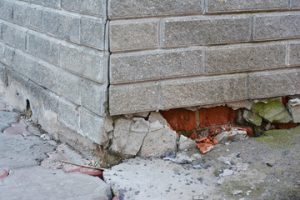
foundation repair

Understanding Foundation Problems

Foundation problems occur when the soil beneath a building shifts or when the structural elements of the foundation weaken. These issues can manifest in subtle ways or become more noticeable as damage progresses. Addressing problems early is critical because foundation issues can lead to structural instability, water infiltration, and even safety hazards.

Some of the most common signs of foundation problems include cracks in walls or floors, uneven flooring, doors and windows that stick or fail to close properly, and water seepage in basements or crawl spaces. Recognizing these warning signs promptly allows property owners to take action before the damage worsens.

Common Types of Foundation Problems

Several types of foundation problems are frequently observed in buildings. Understanding these issues can help property owners identify the root cause and choose the most suitable repair method.

1. Foundation Cracks

Cracks are among the most common foundation issues. They can appear in concrete walls, basement floors, or masonry surfaces. While some small cracks are superficial and result from natural settling, larger or widening cracks may indicate serious structural issues. Cracks that are horizontal, stair-stepped, or accompanied by water infiltration require immediate attention.

2. Foundation Settlement

Settlement occurs when the soil beneath a foundation compacts unevenly, causing parts of the structure to sink. This can lead to uneven floors, tilted walls, and misaligned doors and windows. Settlement often results from poor soil compaction during construction, erosion, or changes in soil moisture content.

3. Foundation Heaving

Heaving happens when the soil beneath a foundation expands, typically due to excessive moisture or clay-rich soils. The expansion pushes the foundation upward, creating cracks in walls, floors, and driveways. Heaving can compromise structural integrity if left unaddressed.

4. Water Damage and Hydrostatic Pressure

Water accumulation around a foundation can create hydrostatic pressure, which forces water into basements or crawl spaces and weakens structural elements. Prolonged exposure to moisture can lead to mold growth, wood rot, and corrosion of metal components, further exacerbating foundation problems.

5. Bowing or Leaning Walls

Walls may bow or lean due to lateral pressure from surrounding soil. This is common in basement walls that lack proper reinforcement. Bowing walls can compromise structural stability and may eventually collapse if not repaired promptly.

6. Soil Erosion or Poor Drainage

Erosion and poor drainage around a building can wash away supporting soil, causing voids beneath the foundation. This undermines stability and increases the risk of cracks, settlement, or tilting. Proper grading and drainage are essential for preventing such problems.

Effective Repair Methods for Foundation Issues

Once foundation problems are identified, selecting the appropriate repair method is essential for long-term protection. Several proven techniques are used by foundation repair professionals to address different types of issues.

1. Crack Repair

Cracks in concrete or masonry can be repaired using epoxy injections or polyurethane foam. These materials fill gaps, restore structural integrity, and prevent water infiltration. Small, hairline cracks may only require surface sealing, while larger cracks necessitate more extensive reinforcement.

2. Foundation Underpinning

Underpinning involves strengthening or stabilizing the foundation by extending its depth or distributing the load more evenly. This technique is often used for buildings experiencing settlement or unstable soil conditions. Methods such as piering, where steel or concrete piers are driven into stable soil layers, provide long-term support and prevent further sinking.

3. Slab Jacking or Mudjacking

For concrete slab foundations that have settled unevenly, slab jacking (also known as mudjacking) can restore level surfaces. This process involves pumping a grout mixture beneath the sunken slab, lifting it to the desired level, and filling voids to stabilize the soil. Slab jacking is a cost-effective solution for minor settlement issues.

4. Foundation Wall Reinforcement

Bowing or leaning walls can be reinforced using steel braces, carbon fiber strips, or wall anchors. These methods counteract lateral soil pressure and prevent further movement. Carbon fiber strips are particularly popular for their strength, minimal intrusion, and long-term durability.

5. Waterproofing and Drainage Solutions

Addressing water damage and hydrostatic pressure requires proper drainage and waterproofing. Installing French drains, sump pumps, or exterior waterproof membranes directs water away from the foundation, reducing pressure and preventing leaks. Interior waterproofing solutions, such as vapor barriers and sealants, further protect against moisture infiltration.

6. Soil Stabilization

For foundations affected by expansive or unstable soils, soil stabilization techniques are employed. This may involve injecting stabilizing compounds, improving compaction, or adding engineered fill to create a more stable base. Proper soil stabilization mitigates the risk of heaving, settlement, and erosion.

Preventive Measures for Long-Term Protection

While repair methods address existing foundation problems, preventive measures help protect the foundation from future damage. Regular inspection and maintenance are key components of foundation longevity.

  • Regular Inspections – Conduct periodic checks for cracks, uneven floors, or water intrusion to catch issues early.
  • Proper Drainage – Ensure gutters, downspouts, and landscaping direct water away from the foundation. Avoid excessive watering near the building’s perimeter.
  • Soil Moisture Management – Prevent extreme fluctuations in soil moisture by maintaining consistent watering schedules and addressing drainage problems.
  • Tree and Plant Placement – Avoid planting large trees or shrubs too close to the foundation, as roots can disturb soil stability.
  • Foundation Maintenance – Seal minor cracks promptly, maintain exterior grading, and inspect basement walls for signs of bowing or moisture.

Taking proactive steps reduces the risk of major structural issues and extends the life of the foundation.

Signs It’s Time to Consult a Professional

Not all foundation issues can be managed with DIY solutions. Professional assessment is necessary when you notice:

  • Cracks wider than 1/4 inch, particularly horizontal or stair-step cracks.
  • Doors or windows that stick or fail to close properly.
  • Uneven or sloping floors.
  • Bowing or leaning walls in basements or crawl spaces.
  • Water seepage or persistent moisture issues around the foundation.

Foundation repair professionals can provide accurate diagnostics, recommend the most effective solutions, and execute repairs that ensure long-term protection.

Choosing the Right Foundation Repair Service

Selecting a reputable foundation repair service is crucial for quality results. Property owners should consider:

  • Experience and Expertise – Ensure the company has a proven track record in diagnosing and repairing foundation problems.
  • Detailed Assessment and Estimate – Professional services should provide thorough inspections and transparent pricing.
  • Warranty and Follow-Up Services – Reliable companies offer warranties and ongoing support to ensure repairs remain effective.
  • Customer Reviews and References – Feedback from previous clients offers insight into reliability, professionalism, and success rates.

Working with experienced professionals ensures that repairs are completed safely, efficiently, and with long-lasting results.

Foundation problems are a serious concern for any property owner. From cracks and settlement to water damage and soil instability, these issues can compromise the safety, functionality, and value of a building. Recognizing common signs, understanding repair methods, and implementing preventive measures are essential for long-term foundation protection.

Professional foundation repair services provide effective solutions tailored to the specific challenges of each property. Techniques such as crack repair, underpinning, slab jacking, wall reinforcement, waterproofing, and soil stabilization ensure that foundations remain stable and secure for years to come.

Regular inspection, proper drainage, and proactive maintenance further protect the foundation from future problems, preserving structural integrity and extending the life of the building. Investing in professional repair and preventive measures not only safeguards your property but also provides peace of mind, knowing that the foundation supporting your home or business is strong, stable, and built to last.
How Weather and Climate Affect Pest Activity

Pest activity is closely connected to environmental conditions, particularly weather and climate. Changes in temperature, humidity, rainfall, and seasonal patterns all influence how pests behave, reproduce, and move. Understanding how weather and climate affect pest activity is essential for effective prevention and long-term pest management. By recognizing these patterns, property owners can anticipate potential infestations and take proactive steps to protect their spaces. Discover further details at https://www.benspest.biz/.

The Relationship Between Pests and Environmental Conditions

pest

Pests are highly adaptive organisms that rely on environmental cues to survive. Weather and climate determine the availability of food, shelter, and breeding conditions. When these factors align, pest populations can grow rapidly. Conversely, unfavorable conditions may force pests to migrate or seek alternative environments, often indoors.

Climate refers to long-term weather patterns, while weather represents short-term changes. Both play a role in shaping pest behavior. Shifts in either can influence pest life cycles, activity levels, and infestation risks.

Temperature and Pest Behavior

Temperature is one of the most influential factors affecting pest activity. Most pests are cold-blooded, meaning their body temperature and activity levels depend on their surroundings. Warmer temperatures generally increase metabolism, leading to higher activity and faster reproduction.

In colder conditions, many pests slow down, become dormant, or seek shelter. This often drives them indoors, where temperatures remain stable. Understanding temperature thresholds helps explain why certain pests appear seasonally and why infestations can spike during specific times of the year.

Seasonal Temperature Changes and Infestation Patterns

Seasonal temperature shifts create predictable pest activity cycles. In warmer months, insects tend to be more visible as they forage, breed, and expand their territories. Increased outdoor activity raises the likelihood of pests entering buildings in search of food and water.

During cooler months, pests often prioritize survival. Reduced outdoor resources and lower temperatures push them toward enclosed spaces. This seasonal migration makes regular monitoring and preventive measures especially important throughout the year.

Humidity and Moisture as Pest Attractants

Humidity plays a significant role in pest survival and reproduction. Many pests thrive in moist environments, where dehydration risks are minimal. High humidity levels support breeding, egg development, and microbial growth that attracts certain insects.

Moisture problems within buildings, such as leaks or condensation, create ideal conditions for pests regardless of the outdoor climate. Weather patterns that increase humidity or rainfall can amplify these issues, making moisture control a critical aspect of pest prevention.

Rainfall and Pest Movement

Rainfall affects pest activity in multiple ways. Moderate rainfall can increase vegetation growth, providing food and shelter for pests. Excessive rainfall, however, may flood nests and burrows, forcing pests to relocate.

When outdoor habitats become saturated, pests often move toward higher, drier ground. This frequently leads them into homes and buildings. Understanding rainfall patterns helps explain sudden increases in indoor pest activity following storms or prolonged wet periods.

Drought Conditions and Pest Adaptation

Drought conditions can also influence pest behavior. Limited water availability forces pests to seek moisture wherever it can be found. This often leads to increased activity around plumbing systems, irrigation areas, and indoor spaces.

During droughts, pests may become more aggressive in their search for resources. Reduced natural food sources can drive them toward human environments, increasing the risk of infestation even in otherwise dry conditions.

Wind and Pest Dispersal

Wind plays a less obvious but still important role in pest movement. Strong winds can carry flying insects over long distances, introducing them to new environments. Wind can also displace pests from their natural habitats, pushing them toward sheltered areas.

Changes in wind patterns can affect how pests spread and where they settle. Buildings that offer protection from wind often become attractive refuge points, especially during storms.

Climate Change and Long-Term Pest Trends

Long-term climate changes are altering pest activity patterns worldwide. Gradual increases in average temperatures extend breeding seasons and allow pests to survive in areas previously unsuitable for them. Milder winters reduce natural population controls, leading to larger pest populations.

Changes in climate can also shift pest life cycles, making infestations less predictable. Extended warm periods may result in multiple breeding cycles within a single year, increasing overall pest pressure.

The Impact of Extreme Weather Events

Extreme weather events such as heatwaves, heavy storms, and sudden temperature fluctuations can disrupt pest populations. These events may temporarily reduce certain pests while creating opportunities for others.

Following extreme weather, pest activity often rebounds quickly. Damaged structures, standing water, and debris create new entry points and breeding sites. Proactive inspections after extreme weather help identify and address emerging risks.

How Weather Influences Pest Reproduction

Weather conditions directly affect pest reproduction rates. Warm temperatures and high humidity accelerate egg development and larval growth. Favorable conditions can lead to rapid population increases in a short time.

Unfavorable weather may slow reproduction but rarely eliminates pests entirely. Many species have survival strategies that allow them to persist until conditions improve. This resilience highlights the importance of ongoing pest monitoring.

Weather-Driven Changes in Food Availability

Weather affects plant growth, decay, and food availability for pests. Abundant vegetation during certain seasons supports higher pest populations. Conversely, weather-related crop damage or reduced plant growth can drive pests toward alternative food sources.

Human environments often provide consistent food access, making them especially attractive during periods of environmental stress. This connection explains why pest activity often increases indoors following significant weather changes.

Indoor Climate Control and Pest Activity

Indoor climate control can influence pest behavior as well. Heating and cooling systems create stable environments that attract pests seeking consistent temperatures. Poorly maintained systems may also introduce moisture and shelter opportunities.

While indoor climate control improves comfort for occupants, it can inadvertently support pest survival. Regular maintenance and inspections help minimize these risks.

Predicting Pest Activity Based on Weather Patterns

Understanding weather patterns allows for better prediction of pest activity. Anticipating seasonal changes, rainfall trends, and temperature shifts helps property owners prepare for increased pest pressure.

Predictive awareness supports preventive pest management strategies. By addressing vulnerabilities ahead of time, property owners reduce the likelihood of infestations during peak activity periods.

Preventive Measures Aligned With Weather Conditions

Effective pest prevention adapts to changing weather conditions. Sealing entry points before colder seasons, managing moisture during wet periods, and maintaining sanitation during warmer months all contribute to reduced pest risks.

Aligning preventive measures with weather patterns ensures year-round protection. This proactive approach minimizes the need for reactive treatments and supports long-term pest control success.

The Role of Inspections in Weather-Related Pest Control

Regular inspections are essential for managing weather-related pest risks. Inspections help identify how weather has impacted a property, including new entry points, moisture issues, or environmental changes.

By addressing these factors promptly, inspections prevent weather-driven pest problems from escalating. Consistent monitoring supports adaptive pest management strategies that respond to changing conditions.

Adapting Pest Control Strategies to Climate Trends

As climate trends continue to evolve, pest control strategies must adapt. Long-term planning that accounts for shifting pest behaviors and extended activity seasons is increasingly important.

Adaptive strategies focus on prevention, education, and monitoring rather than short-term solutions. This forward-thinking approach ensures effective pest management in a changing environment.

Why Awareness Matters for Property Protection

Awareness of how weather and climate affect pest activity empowers property owners to take timely action. Recognizing patterns reduces surprise infestations and supports informed decision-making.

Education and awareness also encourage collaboration between occupants and pest control professionals. Shared understanding leads to more effective and sustainable outcomes.

Long-Term Benefits of Weather-Informed Pest Management

Weather-informed pest management reduces risks, costs, and disruptions over time. By anticipating pest activity, property owners can implement targeted preventive measures that protect structures and health.

This proactive approach supports long-term property protection and peace of mind. Understanding the connection between weather, climate, and pests creates a strong foundation for effective pest control.

Weather and climate play a powerful role in shaping pest activity. From temperature and humidity to rainfall and long-term climate trends, environmental conditions influence how pests survive and spread. Understanding these factors allows property owners to anticipate risks and respond proactively.

By aligning pest management strategies with weather patterns and climate conditions, infestations become easier to prevent and control. A weather-aware approach to pest management ensures healthier, safer, and more resilient living and working environments year-round.