Author: Audrey Suiter

Common Foundation Problems and Effective Repair Methods for Long-Term Protection

A strong, stable foundation is essential for any building, whether residential or commercial. The foundation supports the entire structure, ensuring its safety, longevity, and value. Unfortunately, foundations are prone to various issues over time due to environmental conditions, construction defects, and natural wear and tear. Recognizing common foundation problems and knowing the most effective repair methods is crucial for maintaining structural integrity and preventing costly damage. A professional Foundation Repair Murfreesboro TN can help property owners spot underlying issues and prevent costly repairs.
foundation repair

Understanding Foundation Problems

Foundation problems occur when the soil beneath a building shifts or when the structural elements of the foundation weaken. These issues can manifest in subtle ways or become more noticeable as damage progresses. Addressing problems early is critical because foundation issues can lead to structural instability, water infiltration, and even safety hazards.

Some of the most common signs of foundation problems include cracks in walls or floors, uneven flooring, doors and windows that stick or fail to close properly, and water seepage in basements or crawl spaces. Recognizing these warning signs promptly allows property owners to take action before the damage worsens.

Common Types of Foundation Problems

Several types of foundation problems are frequently observed in buildings. Understanding these issues can help property owners identify the root cause and choose the most suitable repair method.

1. Foundation Cracks

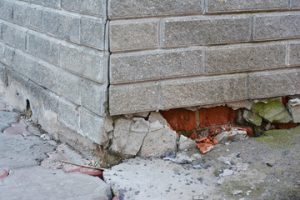
Cracks are among the most common foundation issues. They can appear in concrete walls, basement floors, or masonry surfaces. While some small cracks are superficial and result from natural settling, larger or widening cracks may indicate serious structural issues. Cracks that are horizontal, stair-stepped, or accompanied by water infiltration require immediate attention.

2. Foundation Settlement

Settlement occurs when the soil beneath a foundation compacts unevenly, causing parts of the structure to sink. This can lead to uneven floors, tilted walls, and misaligned doors and windows. Settlement often results from poor soil compaction during construction, erosion, or changes in soil moisture content.

3. Foundation Heaving

Heaving happens when the soil beneath a foundation expands, typically due to excessive moisture or clay-rich soils. The expansion pushes the foundation upward, creating cracks in walls, floors, and driveways. Heaving can compromise structural integrity if left unaddressed.

4. Water Damage and Hydrostatic Pressure

Water accumulation around a foundation can create hydrostatic pressure, which forces water into basements or crawl spaces and weakens structural elements. Prolonged exposure to moisture can lead to mold growth, wood rot, and corrosion of metal components, further exacerbating foundation problems.

5. Bowing or Leaning Walls

Walls may bow or lean due to lateral pressure from surrounding soil. This is common in basement walls that lack proper reinforcement. Bowing walls can compromise structural stability and may eventually collapse if not repaired promptly.

6. Soil Erosion or Poor Drainage

Erosion and poor drainage around a building can wash away supporting soil, causing voids beneath the foundation. This undermines stability and increases the risk of cracks, settlement, or tilting. Proper grading and drainage are essential for preventing such problems.

Effective Repair Methods for Foundation Issues

Once foundation problems are identified, selecting the appropriate repair method is essential for long-term protection. Several proven techniques are used by foundation repair professionals to address different types of issues.

1. Crack Repair

Cracks in concrete or masonry can be repaired using epoxy injections or polyurethane foam. These materials fill gaps, restore structural integrity, and prevent water infiltration. Small, hairline cracks may only require surface sealing, while larger cracks necessitate more extensive reinforcement.

2. Foundation Underpinning

Underpinning involves strengthening or stabilizing the foundation by extending its depth or distributing the load more evenly. This technique is often used for buildings experiencing settlement or unstable soil conditions. Methods such as piering, where steel or concrete piers are driven into stable soil layers, provide long-term support and prevent further sinking.

3. Slab Jacking or Mudjacking

For concrete slab foundations that have settled unevenly, slab jacking (also known as mudjacking) can restore level surfaces. This process involves pumping a grout mixture beneath the sunken slab, lifting it to the desired level, and filling voids to stabilize the soil. Slab jacking is a cost-effective solution for minor settlement issues.

4. Foundation Wall Reinforcement

Bowing or leaning walls can be reinforced using steel braces, carbon fiber strips, or wall anchors. These methods counteract lateral soil pressure and prevent further movement. Carbon fiber strips are particularly popular for their strength, minimal intrusion, and long-term durability.

5. Waterproofing and Drainage Solutions

Addressing water damage and hydrostatic pressure requires proper drainage and waterproofing. Installing French drains, sump pumps, or exterior waterproof membranes directs water away from the foundation, reducing pressure and preventing leaks. Interior waterproofing solutions, such as vapor barriers and sealants, further protect against moisture infiltration.

6. Soil Stabilization

For foundations affected by expansive or unstable soils, soil stabilization techniques are employed. This may involve injecting stabilizing compounds, improving compaction, or adding engineered fill to create a more stable base. Proper soil stabilization mitigates the risk of heaving, settlement, and erosion.

Preventive Measures for Long-Term Protection

While repair methods address existing foundation problems, preventive measures help protect the foundation from future damage. Regular inspection and maintenance are key components of foundation longevity.

  • Regular Inspections – Conduct periodic checks for cracks, uneven floors, or water intrusion to catch issues early.
  • Proper Drainage – Ensure gutters, downspouts, and landscaping direct water away from the foundation. Avoid excessive watering near the building’s perimeter.
  • Soil Moisture Management – Prevent extreme fluctuations in soil moisture by maintaining consistent watering schedules and addressing drainage problems.
  • Tree and Plant Placement – Avoid planting large trees or shrubs too close to the foundation, as roots can disturb soil stability.
  • Foundation Maintenance – Seal minor cracks promptly, maintain exterior grading, and inspect basement walls for signs of bowing or moisture.

Taking proactive steps reduces the risk of major structural issues and extends the life of the foundation.

Signs It’s Time to Consult a Professional

Not all foundation issues can be managed with DIY solutions. Professional assessment is necessary when you notice:

  • Cracks wider than 1/4 inch, particularly horizontal or stair-step cracks.
  • Doors or windows that stick or fail to close properly.
  • Uneven or sloping floors.
  • Bowing or leaning walls in basements or crawl spaces.
  • Water seepage or persistent moisture issues around the foundation.

Foundation repair professionals can provide accurate diagnostics, recommend the most effective solutions, and execute repairs that ensure long-term protection.

Choosing the Right Foundation Repair Service

Selecting a reputable foundation repair service is crucial for quality results. Property owners should consider:

  • Experience and Expertise – Ensure the company has a proven track record in diagnosing and repairing foundation problems.
  • Detailed Assessment and Estimate – Professional services should provide thorough inspections and transparent pricing.
  • Warranty and Follow-Up Services – Reliable companies offer warranties and ongoing support to ensure repairs remain effective.
  • Customer Reviews and References – Feedback from previous clients offers insight into reliability, professionalism, and success rates.

Working with experienced professionals ensures that repairs are completed safely, efficiently, and with long-lasting results.

Foundation problems are a serious concern for any property owner. From cracks and settlement to water damage and soil instability, these issues can compromise the safety, functionality, and value of a building. Recognizing common signs, understanding repair methods, and implementing preventive measures are essential for long-term foundation protection.

Professional foundation repair services provide effective solutions tailored to the specific challenges of each property. Techniques such as crack repair, underpinning, slab jacking, wall reinforcement, waterproofing, and soil stabilization ensure that foundations remain stable and secure for years to come.

Regular inspection, proper drainage, and proactive maintenance further protect the foundation from future problems, preserving structural integrity and extending the life of the building. Investing in professional repair and preventive measures not only safeguards your property but also provides peace of mind, knowing that the foundation supporting your home or business is strong, stable, and built to last.


From Dated to Deluxe: Essential Steps for a Successful Bathroom Renovation

Bathroom Remodel Lexington KY takes a significant time commitment from you and your contractor. To ensure a successful project, plan and get the basics in place.

Create a budget and prioritize your wish list into must-haves and nice-to-haves. This will allow you to have an honest discussion with contractors about what can and cannot be done within your budget.

Plumbing

bathroomA bathroom remodel is a significant home improvement project often requiring plumbing work. Most bathroom renovations include moving existing fixtures, replacing piping, and laying new plumbing lines. The first step involves assessing the existing plumbing and planning the layout of the new bathroom. This will determine what kind of fixtures and pipes are needed. It’s important to find a plumber who has experience working on remodeling projects. They can help you create a budget and timeline that will ensure your project is completed within your expected timeframe.

Many older homes have galvanized plumbing pipes that are nearing the end of their lifespan. During a bathroom remodel, it’s a good idea to replace these pipes with new PEX flexible tubing for the water supply and PVC piping for the drain lines. This will make the bathroom more energy efficient and reduce the risk of leaks and water damage.

Another common problem during bathroom renovation is clogged drains. This can be caused by a variety of factors, including the size of the drain opening and the presence of hair and soap scum. Increasing the drain opening and cleaning out a regular basis can help reduce clogs.

Depending on the scope of your bathroom remodel, you may need to obtain permits and building board approvals. This can add a few weeks to the overall timeline. Be sure to clear your schedule and prepare for some disruption in your daily routine. It’s also a good idea to remove or cover any furniture and belongings in the vicinity of the construction zone to prevent damage. It’s important to remember that the inconvenience and mess of a bathroom remodel are temporary, and it will be worth it in the end when you have a beautiful new bathroom.

Electrical

During a remodel, it is possible that the electrical needs of a bathroom will change. A professional electrician will be able to assess the situation and ensure that the new wiring configuration complies with current standards for safe electrical use in bathrooms.

While renovations are typically cosmetic, remodeling can involve substantial changes to a bathroom’s layout, design and functionality. Significant changes such as tearing down walls to increase space, changing the position of fixtures and pipes, absorbing a closet, expanding the bathing area, or converting a bathtub into a shower are all considered remodels. This type of work requires significant construction and can be expensive.

Any remodeling project should start with a clear idea of what you hope to achieve and an understanding of your budget. This will help you communicate with contractors and avoid costly mistakes. Before you hire a contractor, make sure they are licensed by checking with your local municipality’s licensing requirements.

It is also a good idea to move any valuables out of the bathroom before construction begins and cover any furniture that will be in the way. Construction can create dust and debris that could damage items, so removing or covering them ahead of time will prevent unnecessary costs.

When it comes to the electrical, a bathroom remodel should include GFCI outlets and switches within 3 feet of any sink or water source. This will help reduce safety hazards associated with electricity and water by shutting off power in the event of a short circuit or shock. A professional electrician can advise on where the best location for these outlets should be based on your bathroom’s usage patterns and your preferred aesthetic.

Ventilation

A bathroom remodel is a project that includes any improvements that change the layout, add or remove features, or modify fixtures and materials. It can range from repainting the vanity or swapping out a mirror to gutting the entire room and starting from scratch.

Even simple improvements can make the space more user-friendly and safe. For example, older homes often contain electrical outlets that are too close to water sources, which can be a fire hazard. Installing more secure plugs and running wire to relocate outlets away from water sources can prevent accidents.

Another important part of any bathroom remodel is ventilation. Without adequate ventilation, humidity levels rise quickly in the space after a shower or bath, which can cause water residue and mold to build up on surfaces. Opening a window is a quick solution, but it requires a lot of time for the space to cool down, and it can lead to energy waste because so much energy is used heating the room back up.

Installing a new bathroom fan is an easy project for most homeowners to do, as long as the existing vents and electrical connections are intact. However, if the bathroom is in a room with no vents or in a home without a roof (or attic), it can be more involved. A professional HVAC contractor can fabricate a duct run that goes from a ceiling-mounted fan in the wall, down through the floor and between the floor joists, then out through the roof.

A full gut and replace bathroom remodel is one where the existing walls and the room perimeter remain intact, but everything inside is replaced, from a toilet to the shower or bathtub, a vanity sink cabinet, lighting, flooring and so on. This is a more complicated project than a simple renovation and will usually require a permit.

Cabinetry

Cabinetry is a vital part of any bathroom remodel. It allows you to get your products off the counter and out of sight, eliminating visual clutter. Storage can also be a stylish design element that complements your other design choices.

A cabinet design consultant can help you determine the type and size of cabinets that will work best in your space. They’ll take into consideration your budget, layout and design goals to make recommendations based on current trends, remodeling standards and codes, and cabinet line capabilities. They’ll also be able to answer questions about the process of obtaining permits, the timeline of your project and the overall cost.

There are a variety of cabinet options available, from stock and semi-custom to custom cabinets. Cabinets are a big investment, and you’ll want to take your time in the selection process. It’s a good idea to choose one or two samples of cabinetry, so you can see how they look in your space and decide if they fit with your vision for the room.

You’ll also have to decide what extras you’d like to include. Master bathrooms typically need more storage than smaller single vanities or powder rooms, and may benefit from extra features like drawers, hamper pullouts and custom shelving.

Other upgrades can be as simple as a new light fixture or fresh wall art. Or you could give your bathroom a whole new look by changing the tile. Tile isn’t as costly as cabinetry, but it can make a big impact on the style of your bathroom. And don’t forget the lighting — dimmers are a great way to control the mood, while adding recessed fixtures around the mirror or pendants over the tub will add a luxe feel.

Flooring

Your flooring is another important feature to consider during a bathroom remodel. You can choose to install tile, hardwood or another material that suits your style and budget. It’s best to consult with a professional who can walk you through the specific installation process for your desired flooring.

Depending on the type of flooring you select, you may need to hire an installer or install it yourself. A skilled professional can help you avoid common mistakes that could cause problems later on.

If you’re looking to get a more modern look, consider installing laminate floors. These affordable substitutes for natural wood are made from wood byproducts and come in a wide range of designs, colors and thicknesses. Laminate is also more resistant to moisture damage than carpeting or tile.

A more luxurious option is engineered wood flooring. These durable floors can withstand moisture and humidity more effectively than traditional hardwood, and they have the aesthetic appeal of real wood without the maintenance worries.

For a more rugged, industrial look, you can opt for concrete floors. These edgy alternatives to ceramic tiles can be stained and sealed for a custom color and finish. However, concrete is porous and susceptible to water damage. If you decide to go with this material, you’ll need a waterproof barrier installed by a professional.

When selecting a contractor to handle your bathroom remodel, make sure you interview several candidates and ask for proposals and estimates. A reputable contractor should be licensed, carry personal liability and workers’ compensation insurance and provide you with a written contract that details all aspects of the project, including start and completion dates. This contract should also include a detailed breakdown of the costs associated with each item.

How to Spot Gas Leaks

Gas Leaks NYC are not something to mess around with. If you suspect you have a natural gas leak, evacuate the area immediately and remain out of the building until given the all-clear by the gas company. Do not use anything electronic, including light switches and cell phones, as they may trigger a spark that could ignite the leaking gas.Gas Leaks

Natural gas and propane are valuable household fuels that can help warm homes, cook meals, power appliances, and heat water. However, these highly flammable gases pose a serious threat when they leak and can cause fires or explosions. Knowing how to spot a gas leak is the first step in keeping your family and home safe from this dangerous problem.

A gas leak is the unintentional escape of natural gas from a piping system or pipeline, typically due to damage or age. These leaks may occur either inside or outside of your property, depending on the location of the leaking pipe. Indoor leaks can be caused by a number of factors, including damage from construction or renovation work that damages the gas line, or a faulty appliance.

If you suspect that you have a gas leak, the most important thing to do is to evacuate the area and turn off your gas supply at the meter. Immediately after you’ve done this, call the local gas company to report the problem and ask them to send someone to locate and fix the leak as soon as possible.

A natural gas leak is usually accompanied by an unpleasant odor similar to rotten eggs. This distinctive odor is added to natural gas to make it easier for people to detect when there’s a leak. The odor may also be accompanied by a hissing sound or the sound of an audible rumble when the gas is escaping from the leaking pipe.

In addition to being a dangerous hazard, gas leaks can also be harmful to your health. Natural gas can change the amount of oxygen available in your home, which can lead to symptoms like fatigue and nausea. If these symptoms aren’t addressed quickly, they can become more severe and even fatal.

Another danger associated with gas leaks is the risk of carbon monoxide poisoning, which can have a range of unpleasant and even deadly symptoms. This can be particularly dangerous for people with respiratory problems, such as asthma or emphysema.

A carbon monoxide detector can be helpful in detecting the presence of this potentially toxic gas, and it is recommended that all homeowners have one installed. In addition, every homeowner should know where the shutoff valve for their gas is located and how to use it in the event of a leak.

Symptoms of a Gas Leak

A slow, undetected gas leak can make you or your family members sick and can even cause death. Exposure to the gas can lead to a variety of symptoms, including headaches, weakness and nausea. If your symptoms persist, you should leave the building immediately and seek medical treatment. A quick fix by a professional is the only way to ensure the safety of everyone in your home or business.

Often, the first sign of a leak is the smell of natural gas in your home or building. If you can smell the odor of gas, open windows and turn off pilot lights or the gas meter. This will prevent any unnecessary exposure to the gas.

If you suspect a gas leak, evacuate the area as quickly as possible. Avoid using phones or any other electrical devices around the suspected leak, as these can generate sparks that ignite the gas and cause an explosion. Also, avoid smoking or starting your car. If you’re unable to evacuate, move to an area with fresh air and close all doors and windows in the affected room.

In addition to a rotten egg or sulfur smell, other signs of a leak include a hissing sound, clouds of vapor, an area of dead plants or grass, and a corroded or damaged gas line. If you’re planning any outdoor landscaping or construction work, call 811 (the national Underground Service Alert network) two working days before beginning to have any buried pipelines mapped.

Symptoms of a gas leak usually occur in the immediate vicinity of the source. If you have a strong odor, open the nearest window and leave the building immediately. Call the fire department or your local utility company from a safe location outside the house.

If you notice a mild odor, keep windows and appliances closed, and call your utility provider. They will advise you on your next steps. Make sure to have your gas pipes and appliances regularly checked by a licensed professional to minimize the risk of leaks. Regular maintenance will help you identify problems before they cause major damage or pose a health and safety hazard.

Signs of a Gas Leak

As a homeowner, it’s important to know how to recognize gas leak symptoms. The most common sign of a gas leak is the smell of natural gas. Most natural gas providers add mercaptan, an unmistakable odor that gives off the scent of rotten eggs, to their product to help you identify any potential leaks. If you notice this odor anywhere near your natural gas appliances or pipes, evacuate the area immediately and call a professional for gas leak repair.

Another sign of a possible leak is if you can hear a hissing sound coming from the source. Leaks may also create bubbles in the soil surrounding the lines. If you can see these bubbles popping up, you should evacuate the area and contact a plumber for gas line repairs right away.

A gas leak can affect the health of both people and pets. You should be particularly attentive if your family members experience unexplained tiredness, headaches or nausea when inside the home. In severe cases, prolonged exposure to natural gas may cause fainting or even death.

Other signs of a leak are visible damage to the gas lines in your yard or near your house, as well as an unexplained increase in your utility bill. Check the gas meter and your utility bills from the past year to see if there has been any changes in usage. A large spike in usage could be a sign of a gas leak or carbon monoxide poisoning from a furnace or water heater that uses natural gas.

If you suspect a gas leak, make sure you and your family evacuate the area right away. Stay away from light switches, appliances and cell phones, which can cause a spark that ignites the leaking gas. Call your gas utility company from a safe distance outside your home, and wait for a certified inspector to arrive and tell you when it is safe to return.

You should also take precautions to prevent a gas leak from happening in the first place. Regular inspections of your gas appliances and lines will keep them in good condition, and you should replace any that are old or showing significant wear and tear. It is also a good idea to have a plumber visit your home once a year to perform routine maintenance and cleaning services.

How to Avoid a Gas Leak

While the most common reason for a gas leak is natural wear and tear or poor installation of appliances, you can take steps to reduce your risk. Keeping your gas lines properly inspected, ensuring that new appliances are installed by an accredited Gas Safe (previously CORGI) engineer and preventing any accidental or intentional damage to gas pipes can help keep you safe from dangerous leaks.

In the event of a suspected or actual gas leak, you should evacuate immediately and inform your neighbors and any nearby residents to do the same. Evacuating will help to prevent any explosions caused by sparks or flammable gases. You should also refrain from using any electrical devices such as light switches, phones or mobile devices, as they may trigger a spark. This also includes smoking or using any open flames such as candles.

Before you evacuate, turn off your gas supply at the main switch that is located near your gas meter. Once you have done this, open windows to let the gas disperse as quickly as possible. Be sure to remain away from any flammable materials, such as dry grass or leaves.

If you smell a foul, sulphurous odour similar to that of rotten eggs or hear whistling sounds coming from the area, these are signs of a potential gas leak and you should leave the premises immediately. If possible, evacuate through the nearest exit and warn others of the odour. Remember that a gas leak is dangerous and requires immediate attention by a certified professional.

While you wait for the professionals to arrive, make sure that all gas-powered appliances are kept well away from any walls or furniture. It is also a good idea to install detectors and alarms on your property in case of a possible leak. A simple alarm will sound if there is any movement or vibration around the gas line. This can save you from potentially deadly carbon monoxide poisoning, fires or explosions that could occur due to a gas leak. If you notice that any of your neighbours’ homes or businesses have these alarms installed, consider having one put in on your property too.

Dumpster Rental Benefits

Dumpster rental companies provide trash containers for waste removal. People rent these receptacles when they do a major construction project; move into a new home or business; clean out their garage, shed, basement, or attic; or organize a neighborhood cleanup.Dumpster Rental

A good business plan is essential to a successful roll-off dumpster rental business.

Dumpster rentals are a cost-effective way to get rid of a lot of junk at once. They are particularly helpful for homeowners who are undergoing construction or renovation projects, as they typically produce a large amount of waste that needs to go somewhere. It’s also a good idea to rent a dumpster when you’re cleaning out your basement or organizing the garage.

A good way to find an affordable dumpster rental is by shopping around and comparing prices. You can do this by checking out online reviews and asking for references from previous customers. In addition, it’s important to consider whether a company offers a flat rate or variable rate, as the latter often includes taxes, dump fees, and mileage.

Another consideration when comparing dumpster prices is the size of your project. It’s important to select a dumpster that is the right size for your job, as doing so will help you avoid overpaying or having insufficient space. The best way to do this is by determining the approximate quantity of waste you will generate. To help you do this, you can consult with the dumpster rental company and ask them to provide a waste assessment.

Many dumpster rental companies offer a service that recycles unwanted materials, which is a great way to reduce your environmental impact. This option is especially useful if you’re removing a significant amount of wood, concrete, or brick. Using recycled materials helps preserve the environment and saves money for landfills.

Besides recycling, you can also donate your unwanted items to charity. This will save you money and make your cleanup a whole lot more fun. In addition, it will keep your home clean and organized.

It’s Easy

There are a few nuances to the dumpster rental process that can catch people by surprise. But once people understand those nuances, it’s really quite straightforward. People rent a dumpster, they fill it up, the dumpster company comes to pick it up and they’re done. It’s not something that’s difficult to do, and it definitely makes a big project much less stressful.

Before getting started with the dumpster rental business, it’s important to have a solid financial foundation. This means securing financing to cover the cost of the dumpsters and trucks needed to run your business. It’s also a good idea to have a business plan in place, and then register your business. This will make everything official, and can influence your taxes, liability, and registration requirements.

The biggest challenge in running a dumpster rental business is maintaining high levels of customer service. It’s essential to respond quickly to inquiries and concerns, and deliver a quality experience every time. This can help you build a loyal customer base that will keep coming back.

Homeowners often use a dumpster when doing a major renovation or remodeling project. But it’s also a good idea to have one on hand for other projects, too. For example, if you’re going through the process of clearing out your garage or shed to sell the property, a dumpster can make things go much faster. It’s also a great idea to have a dumpster when cleaning out the basement or garage, or organizing a neighborhood cleanup project. It’s easy to lose track of all the trash and debris that accumulates, but having a dumpster on hand makes it much easier to stay organized.

It’s Fast

When a project creates a lot of debris, it can be difficult to find a good place for it. Instead of filling up trash bags and dragging them to the curb, renting a dumpster is a much more convenient solution. Dumpsters are spacious enough to fit a variety of junk items and can be dropped off and picked up quickly.

Before you start your dumpster rental business, you need to decide on a legal structure. The structure you choose will influence your taxes, personal liability, and registration requirements. You can choose from several options, including a sole proprietorship or corporation. A corporation offers more legal protections for you and your employees, but it can be more expensive to form.

Choosing the right location for your dumpster rental business is another important step. It needs to be close to the area you plan to serve, but it should not be a hindrance to parking or obstruct traffic. You also need to make sure the space is accessible for your suppliers and your customers.

Once you have the right location, you need to advertise your business. You can do this online by optimizing your website for search engines, or in-person by distributing flyers at local events and businesses. Another great way to promote your dumpster rental business is to network with local professionals and other businesses. You never know who has an untapped potential customer base! You can even consider offering a referral program to help your business grow. This is a great way to get new customers and boost your profits.

It’s Reliable

When you rent a dumpster, you can trust that your waste will be handled properly. The professionals at your local dumpster rental company will be well versed in your city’s specific waste disposal rules. They can give you a full breakdown of the rules and help you comply, preventing huge fines that can come from violations. Moreover, they will be more than happy to help you decide on the right dumpster size for your project. Too big and you’ll pay overage fees; too little and you’ll be left with more trash than you need.

One of the most common uses for dumpster rentals is construction and renovation projects. These projects can produce a lot of waste, so having a large dumpster on site can make the job much easier and faster. In addition, it can keep workers safer by removing the need to move around strewn garbage. It’s also a great way to dispose of items that your municipal waste program won’t take, like old shingles or rotting wood.

When you choose a dumpster rental service, be sure to read reviews and get a clear timeline for delivery and pick-up. A good dumpster company will be quick to answer calls and emails, and they should be able to deliver or pick up a container on the day that works best for you. If they’re not able to accommodate your schedule, this is a red flag that they’re unreliable and may not be worth working with. In addition, you should always check to see if they have transparent quotes that include all of their fees (like permit fees or overage charges) up front. This will save you time and money in the long run.

It’s Environmentally Friendly

Dumpster rental services provide an eco-friendly solution to waste management. By reducing trips to landfills, they help to conserve resources such as energy, water, and fuel. Furthermore, dumpster rental companies often promote sustainable practices such as recycling and offering guidance to their clients on how to minimize the amount of waste they generate. This contributes to a greener world for everyone, while also providing cost savings and long-term business sustainability.

Whether you’re remodeling your home or completing a construction project, using a dumpster will save you time and money by eliminating multiple trips to the dump. Additionally, a dumpster will ensure that all of your debris is collected in one place and that no waste is left behind. This is particularly important when working with hazardous materials like paints and varnishes. If you were to leave these chemicals and toxic waste around your property for the next garbage pick-up, it could potentially affect your family or pets’ health.

The convenience of renting a dumpster also makes it easier to work in an organized and safe environment. Pieces of trash scattered across a job site pose a safety hazard and can cause accidents, while an unorganized workplace leads to confusion and inefficiency. By transferring all of your waste to the dumpster, you can create a safer and more organized workspace that will lead to better results.

Finally, dumpster rentals can prevent pollution from entering lakes, rivers, and other bodies of water. If waste materials are not properly disposed of, they can pollute these waterways and harm wildlife and people who rely on them for their survival. By providing a safe and secure disposal method for waste materials, dumpster rentals can protect the environment and encourage responsible waste management.

Navigation