What Does a Residential Plumber Do?

Plumber

Residential plumbers work on piping and fixtures associated with water supply, waste removal, heating, and sanitation systems. They typically complete an apprenticeship program that mixes paid on-the-job training with classroom teachings.Plumber
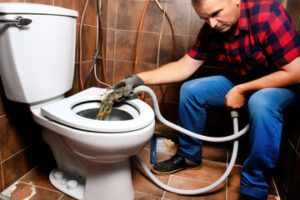
Working on a commercial plumbing system can be complex compared to residential plumbing. It also requires higher insurance coverage and in-depth licensing. Contact Joe Plumber for professional assistance.

Whether it’s your clothes washer that never fills or your showerhead that turns into an anemic sprinkling device, low water pressure can greatly impact your home life. Thankfully, there are several solutions to increase the amount of water rushing through your pipes to meet your household needs and boost your energy-efficient plumbing system.

If you notice a specific faucet or fixture has low pressure, it could be an issue with the fixture itself or a clogged line or valve. In these scenarios, replacing or cleaning the fixture can usually fix the problem and restore normal water flow.

You may also want to consider contacting your municipal water supply company to report the problem. This can help ensure they are aware of the issue and are working to improve your water pressure.

Another reason for low water pressure can be a faulty shutoff valve. This can usually be located near the water meter in your home. This valve controls the water flow from the main city water line to your house and should be closed when you are not using any water in your home. If your shutoff valve is broken, leaking or seized, it will need to be replaced by a professional plumber.

You can also try to flush out your home’s water lines to remove any mineral buildup that may be restricting the water flow. This will also help to maintain proper water pressure in your home and reduce your water bills. In some cases, you may need to replace your entire pipe system with a newer, more efficient version. If you are at a higher elevation, the lower atmospheric pressure can also affect your water flow.

Optimized Water Flow

Residential plumbers can help ensure that your home’s water supply is running smoothly and efficiently. They can install and replace water heaters, fix drainage issues, and more. This can result in better water pressure throughout your home and improved efficiency when washing dishes, showering, and more. They can also prevent leaks and floods by identifying and fixing any potential problems with your plumbing before they become worse.

In residential plumbing situations, it’s common for plumbers to use CPVC or PP pipes for risers and headers, while using smaller PEX or PE-RT tubing for drops to individual fixtures. These systems are designed to provide a balance between flexibility and performance, while also offering affordable installation costs. However, it’s important to note that this type of plumbing system is not suitable for all homes and may require specialized installation techniques.

Another important function of residential plumbers is to repair and maintain sewage systems. These systems are responsible for removing waste from your home, including faeces and vomit. Therefore, they are extremely important for preventing the spread of infectious diseases.

It’s essential to find a residential plumber who is experienced in dealing with these systems, as they can identify and fix any issues quickly and effectively. They can also help you avoid costly repairs in the future by ensuring that your sewage system is working properly. Additionally, a residential plumber will be able to install and replace your toilets, tubs, and faucets to improve the overall look of your home. This can be a great way to add some extra value to your home if you decide to sell it in the future. They can also recommend the best toilets, faucets, and other fixtures for your home that will suit your personal style.

Prevent Leaks and Flooding

A residential plumber can help avoid costly repairs caused by leaks or flooding. They can also prevent health problems such as mold, and they can reduce the risk of fires by installing sprinkler systems. A professional plumber will install or repair pipes and fittings, including bathtubs, showers, faucets, garbage disposals and water heaters. They can also install or repair appliances such as washing machines, refrigerators and dishwashers.

Leaks are common and can cause significant damage if not dealt with promptly. However, most of them are easy to spot. For example, if your water meter has a reading higher than usual after you’ve used a lot of water, it might indicate a leak. In the case of a serious leak, it’s important to call an emergency plumber right away.

The same goes for floods, as they can cause severe structural damage to your home and furniture. It’s essential to have an emergency plumber in your phone contacts so you can call them when needed.

It’s best to have your plumbing system inspected and maintained regularly by a residential plumber to avoid these issues. This includes checking for potential leaking taps, toilets, showerheads and fittings underneath sinks, among other things. A plumber will also inspect the pipes to ensure they’re sturdy and free from cracks or corrosion.

Preventing leaks and floods can save you a lot of money in the long run. They can also prevent damage to your property and valuables. For instance, a plumbing leak can lead to water damage that could cost thousands of dollars to repair. In addition, it can lead to the loss of sentimental items that you might have kept in your basement or attic.

Expert Advice and Support

As the name suggests, residential plumbers specialize in working with the plumbing systems of homes. They install, repair and maintain all pipes that carry water or gas throughout the building. The work they do covers everything from interpreting blueprints and building specifications to identifying potential problems and inspecting drainage systems. A professional residential plumber can help you choose the best equipment for your needs, and ensure that all work is done safely and efficiently.

Choosing the right residential plumber is important, and you should take the time to read reviews online to find one with a good reputation. You can also ask friends and family for recommendations. Once you’ve narrowed down the options, check that your chosen plumber is licensed. You can do this by visiting the website of your local city or state government. Warner Service has a helpful guide that will show you how to confirm a plumber’s license status in your area.

You should also check whether your plumber has insurance coverage. This will protect you from any additional costs if something goes wrong during the job. A reputable plumbing contractor will have workers’ compensation and general liability insurance coverage to protect their employees in case of an accident on the job site.

Having the right plumber can improve your home’s water pressure and optimize its flow. They can also prevent leaks and flooding by identifying problems in the plumbing system. Regular maintenance from a residential plumber can also help you save money in the long run by catching small issues before they become bigger problems. In addition, a plumber can help you avoid costly damages by quickly fixing any drainage issues that may arise.

Avoid Costly Damages

The cost of hiring a professional plumber to resolve plumbing issues can save property owners the expense of major repairs or replacements down the line. Professionals have the advanced tools, expertise, and cost-efficient solutions to address issues like persistent leaks, stubborn clogs, water heater malfunctions, and more. They also offer maintenance services to help avoid plumbing disasters and extend the life of residential pipes, faucets, fixtures, and appliances.

In addition to their education and certifications, residential plumbers typically carry general liability insurance that covers the cost of associated medical expenses, property damage, and other costs that may result from accidents in the workplace. While this coverage is not required by law, it is recommended for all trade professionals.

Plumbing problems can occur at any time, and homeowners must be prepared to respond quickly when an incident occurs. This is why it is important to choose a plumber with 24/7 availability, as they can be trusted to provide prompt assistance and guaranteed solutions whenever a problem arises. Additionally, choosing a plumber with experience in the specific type of residential plumbing system you have can ensure that your repair or installation job is completed correctly the first time around.

While some issues are easier to fix than others, ignoring them can lead to long-term damage and higher utility bills. A residential plumber can help you avoid these problems by conducting regular maintenance and addressing any immediate concerns. For example, a plumber can check your home for leaks and make sure your water pressure is optimal. They can also recommend energy-efficient fixtures and appliances to reduce your energy costs. These investments will save you money and improve your comfort in the long run.
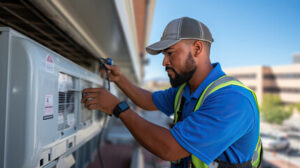
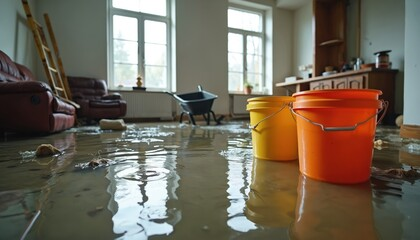
Keep Your HVAC System Running Smoothly With Proper Maintenance

HVAC

Keeping up with HVAC maintenance is the best way to avoid expensive repairs and keep your system running smoothly. You should check out the manufacturer’s guidelines for specific equipment and make sure to follow a yearly maintenance schedule.HVAC

If you see anything that looks amiss, call in a professional like Heating And Cooling Van Nuys to be safe. Here are some things to look for:

If the flame on your furnace is yellow or orange, it means there are combustion problems. You should call an HVAC specialist immediately to come and inspect the system. It may be that the heat exchanger is cracked or that the burners are dirty. These issues can cause the system to overheat and make your home unsafe.

When checking your HVAC system, you should also look for rust or dirt on the air ducts and electrical panels. The presence of rust or dirt is usually a sign that your ducts need to be cleaned. Dirty ducts can pump dust and allergens into your home. In addition, they can cause your system to work inefficiently and even short circuits.

A professional inspection can help you determine the most effective preventive maintenance plan for your HVAC system. This can include a tune-up, cleaning the air filter, replacing the blower motor, and checking the refrigerant. In addition, it should also cover other services like examining the thermostat and checking for electrical faults in the heating system.

Another important aspect of hvac maintenance is checking the flame sensor on the furnace. The flame sensor is an essential safety component that helps to prevent carbon monoxide leaks in the house. During the fall and winter, the flame sensor should be cleaned to keep it working properly. You can do this by using emery paper or light-grit sandpaper to scrub away the soot on the rod. After scrubbing the sensor, you should wipe it down with a lint-free cloth and reattach it to the control box.

Commercial field technicians should always keep their own safety in mind when performing a job. Whether they are on a routine inspection, doing some repairs on an existing project, or starting a new commercial contract, safety should be at the top of their priority list. A good way to achieve this is by making safety a part of every workflow. By incorporating safety into their work, field technicians will be more likely to follow proper procedures and protect themselves.

Routine preventive maintenance will increase the lifespan of your furnace and air conditioner. This can save you money in the long run, as a well-maintained HVAC system will need to be replaced less often.

Clean the Unit

When performing HVAC maintenance, it’s important to check the unit for things like dirty coils and clogged filters. These can prevent air from flowing properly throughout the home and reduce efficiency. In many cases, they can also lead to expensive repairs. By keeping up with routine maintenance, these problems can be prevented or spotted early and repaired before they cause major issues.

The HVAC technician will also inspect the ductwork to make sure it’s clean and in good condition. They’ll look for any holes or cracks that can allow dirt, dust, and pests into the home. They’ll also ensure that tenants aren’t blocking vents with furniture or other items.

During the spring, it’s also essential to replace the air filter. This will help to remove pollen and other allergens from the air, which can be a big benefit for people who suffer from allergies or breathing conditions.

In addition to replacing the filter, it’s also important to rake and hose down the outdoor unit to remove leaves, twigs, grass clippings, and other debris. It’s a good idea to keep plants trimmed back at least two feet from the unit as well. This will help maintain proper airflow and avoid overworking the unit.

It’s important to note that while there are some things that can be done by the homeowner, it is always best to leave the complicated or potentially dangerous work to the professionals. An HVAC system has a high voltage electrical system and often uses gas as well. This combination makes it very dangerous for an untrained person to open or mess with the unit without a professional.

When scheduling maintenance for a rental property, it’s essential to give tenants 24 to 48 hours notice of the work being performed. This will allow them to plan accordingly and make arrangements for any pets or children that may need to be kept away from the area. It’s also a good idea to notify tenants of any possible damage that could occur and how much it would cost to repair. This will help to alleviate any fears they might have and can help to improve tenant relations.

Check the Thermostat

When problems are occurring with an HVAC system, the first thing that you should check is the thermostat. These devices are a major component of the entire system, so if they go wrong it can cause a lot of other issues. That’s why it’s important to perform regular maintenance on the thermostat to ensure that it is working properly.

During an inspection of the unit, a professional technician will make sure that all components are in working order. They will also examine the air filter to be sure that it is clean and free of debris. They will look for any signs of water leaks or a carbon monoxide leak. They will also look at the controls, safety valves, fan, pump, piping and low water cutoff. If any of these components need to be replaced, the technician will inform the homeowner about the costs involved.

If you are performing a thermostat inspection on your own, be sure to remove the cover and perform a visual inspection. Dirt, dust and spiderwebs can build up inside the thermostat and hinder performance. This can cause it to read temperatures incorrectly or not turn on and off as needed. To prevent this, you should regularly clean the thermostat with a damp cloth or use compressed air to clear out any dirt build up.

Another common reason that a thermostat may not work is due to dead batteries. It is a good idea to always have extra batteries on hand for this reason. It is a simple and easy fix that can save you the expense of a service call.

Finally, if the thermostat’s screen isn’t lighting up, this could be a sign that it needs to be replaced. It is a good idea to consult the manual for this particular unit, as they often have troubleshooting or diagnostic sections that will help you determine the cause of the problem.

To test the operation of a thermostat, it is best to have a friend or family member stand by the furnace while you change the setting from cool to heat. When you do this, the person standing by should be able to hear the sound of the furnace turning on. If they can’t, the thermostat is likely defective.

Check for Debris

Like a car, your HVAC system can run better with regular maintenance. It’s less likely to break down or need replacing if it is cleaned, cleared of debris, and checked for leaks on a regular basis. This helps to prolong the life of your equipment, adding more years onto its lifespan and reducing the risk that you will need to invest in a new one before you have gotten the most out of your current investment.

During this time, your technician can also check the vents to see whether they are obstructed in any way. It is not uncommon for homeowners to block air flow through the vents unknowingly, such as by placing furniture in front of them or closing them during a chilly day and forgetting to open them again. This can significantly affect your home’s airflow and compromise the efficiency of your HVAC system.

Your HVAC technician can also take this opportunity to inspect the ductwork for leaks. Leaks will allow the air to escape, and this lowers pressure in the ductwork, which reduces the amount of air that is distributed throughout your home. You can usually tell if your ducts are leaking by simply touching them. If they feel cold, this means that air is escaping and not being distributed evenly.

You can help limit the number of leaks in your ductwork by making sure that the connections between sections are tight. You can also test for leaks by holding an incense stick or smoke pencil at the point where the ducts join and checking whether you can feel a breeze against your hand. If you can, this indicates that the ducts are leaking and should be fixed. This will also increase your home’s energy efficiency. You should also consider re-sealing your ducts, as this can improve your home’s air quality. This is especially beneficial for asthma and allergy sufferers.

The Disaster Cleanup Process Explained Step by Step

Utah Disaster Cleanup

Utah Disaster Cleanup is a complex task, and it requires the expertise of trained professionals. Whether you’re dealing with a natural disaster like floods or hurricanes, or man-made events like chemical spills or home disasters such as mold infestation, professional services like HCI Environmental & Engineering Service offer fast, affordable, and professional solutions.

Initial Assessment

The initial assessment phase involves gathering data from a variety of sources. The information gathered at this stage feeds into the Preliminary Damage Assessment, which is required as part of the Presidential Disaster Declaration process. It helps determine if the community has surpassed certain thresholds; identifies critical infrastructure; provides a snapshot of current conditions (including debris, power, water, sewer, etc); and establishes priority areas for response efforts.

Disaster cleanup and restoration companies provide valuable services in this phase of the recovery process. They have the right tools and experience to clean up the aftermath of a natural disaster. They also have the expertise to restore your property to its original state, both in terms of functionality and aesthetics.

In addition to collecting information about the extent of the damage, qualified disaster assessment response teams should assess the structural integrity of buildings and report any unstable structures immediately. It is important to avoid unsafe situations, especially for workers and residents. In addition, they should collect information about the number of homes and businesses that are uninhabitable as well as the number of families that need shelter.

This information is important, not just for setting priority response efforts, but it also feeds into the overall disaster recovery plan and helps determine whether a community needs Federal assistance via contracts or mutual aid agreements. Inaccurate or incomplete damage assessment information can lead to inappropriate distribution of resources; result in increased negative environmental impacts; and delay or deny the request for a Presidential Disaster Declaration.

When the assessment is completed, it should include a description of the type of damage that occurred and its location. Mapping the damage should be included whenever possible. The assessment should also note whether the structure has been rendered uninhabitable and should include any additional impacts, such as disruption to the delivery of essential services.

During this stage, the team will also determine the volume of debris that has been created as a result of the disaster. The data collected during this stage will be used to determine the amount of resources necessary to handle removal, collection and disposal. It will also help determine how much space is available for staging areas and the length of time that debris can be stored in a landfill.

Debris Removal

Debris removal is a crucial phase of the disaster cleanup process. It involves the systematic removal, transportation, and disposal of debris that accumulates following a natural disaster or during demolition and construction. This debris may include hazardous materials, structural remnants, and personal belongings. It may also obstruct access to affected areas and delay recovery efforts. The debris removal process must be done carefully and in compliance with local and federal regulations.

During the debris removal phase, first responders must remove all hazards and dangerous materials to ensure safety for disaster victims, volunteers, and workers. Hazardous materials include chemicals, oil spills, asbestos, and other toxic substances that can contaminate the environment. Debris removal personnel should use special equipment and follow strict environmental procedures to avoid contamination.

The cleanup process is complex and involves many different stakeholders. The government, insurance companies, private property owners, and the community all contribute to the effort. Disaster cleanup requires significant resources and time, and the work can be extremely dangerous. Workers are exposed to a variety of risks, including exposure to mold, downed electrical power lines, carbon monoxide, unstable structures, and working conditions that can increase their risk of injury.

Debris management is a complex task, and it often takes months to years to complete. The cleanup is usually divided into phases, which may be separated by a few weeks or months. During each phase, the debris is inspected to determine the best method for its removal. This process includes removing large debris, disposing of hazardous materials, and clearing damaged roads and bridges. In addition, it may involve cleaning up and repairing buildings, roads, waterways, and other infrastructure.

It is important for private property owners to remove debris from their properties in a timely manner. This can help prevent further damage and make it easier for emergency responders to reach affected areas. Private property owners are typically reimbursed by their insurance companies for the cost of removal. The federal government may also provide assistance with the removal of disaster-related debris.

The state government typically coordinates the debris removal effort, and they may deploy resources and personnel to assist in the process. In some cases, they may also share the cost of these costs with local municipalities.

Structural Repairs

When a disaster occurs, it can leave property owners devastated and unsure how they’re going to get their life back to normal. Disaster restoration companies provide services that are designed to help homeowners and businesses recover quickly from the aftermath of a natural disaster. They will assess the damage, clean up the site and then repair any damaged areas. This will help them restore their properties and return them to the state that they were in before the disaster occurred.

The first step in the process is to repair any structural damage caused by the disaster. This will include fixing roofs, walls and floors. This can also include replacing structural elements like foundations and beams.

This is a necessary step because if a structure is not repaired, it can begin to deteriorate and may eventually collapse. This can be dangerous for the people in the building and cause serious financial problems. In addition, repairing structural damage can protect the surrounding area from further damage and prevent future disasters.

Water damage is another common disaster restoration issue. This can be due to flooding or leaky roofs. If left untreated, it can lead to severe problems in the home or business, including mold growth and structural damage. Water damage also requires extensive cleaning and sanitization to avoid the spread of disease and illness. Disaster restoration professionals will thoroughly inspect the affected areas for any signs of mold and water damage and then take the appropriate steps to remove and sanitize them.

If a home or business has been affected by fire, it can be one of the most devastating events. Not only can it destroy the structure, but it can also ruin personal belongings and cause emotional distress. Fire damage cleanup is often complicated, but disaster cleanup companies will ensure that all damage is addressed and the property is restored to its former condition.

If you’re looking for a company that can help you with the disaster cleanup and recovery process, contact Trimaco today. Our trained professionals can handle any type of disaster and will make sure your property is safe and healthy again as soon as possible.

Rebuilding

The rebuilding phase of disaster cleanup involves repairing damage to homes and business structures. This can involve a variety of different tasks, including demolition, cleaning, structural repairs, and replacement of materials. The goal is to return the property to its pre-disaster state. This can be a long and complicated process, and it is often best left to professionals.

Homeowners and businesses involved in disaster cleanup can be exposed to a variety of hazardous conditions while working on their properties. These include fallen power lines, contaminated floodwater, mold, carbon monoxide, and tree trimming. The work can also be physically exhausting. It is important that people who are participating in disaster clean up seek out help for mental and physical health issues. Professional counseling is often available through local mental health services and community organizations.

After a natural disaster, it is common for individuals and communities to feel overwhelmed by the size of the task at hand. It can be helpful to seek help from family members, community organizations, and local officials. This support can help prevent serious stress-related complications.

During the preparation phase, planners work to develop guidelines and protocols for post-disaster reconstruction. This can be done through county-hosted workshops with homeowners, condominium and resort owners, and local planning agencies. A common tool used in Maui County is a Disaster Reconstruction Ordinance. This establishes procedures and legal authority for expediting permitting for disaster restoration and recovery while ensuring cultural and sensitive natural resources are protected.