Author: Shirley Wright

Winning The War On Pests – Tailored Solutions For Every Home

Since the first pea farmer squished a cutworm from his seedlings, growers have been fighting to keep pests away.

Pests are more than just insects that eat plants: they can also spread diseases and interfere with plant growth. Apex Pest Solutions targets rats, flies, mosquitoes, and sparrows for elimination. 

pest controlPest Identification

Pest identification is the first step in developing an effective pest control strategy. Pests may look different depending on their age and stage in the life cycle. An immature beetle might look like a caterpillar or worm. Different species of plants also have similar structures that can be difficult to distinguish from one another. Correctly identifying pests allows you to tailor your management tactics to target the specific physical forms that are most vulnerable.

Pests that cause damage to crops or other property are known as economic pests. These pests are controlled when their numbers reach a point where the damage they cause becomes significant or when the loss is expected to exceed an economic threshold. Other pests may interfere with human activities by causing nuisance or annoyance and do not require control at the current time. Regulatory pests are those that pose serious threats to the health and safety of crops and livestock. Typically, these pests are regulated by federal and state agencies using quarantine, eradication, or other methods to contain or eliminate them.

In addition to determining the type of pest, careful observation should be used to determine the cause of the pest problem. Many times non-living things (such as weather extremes, air pollutants, or excessive fertilization) can cause plant damage that is mistaken for pest damage. Other causes of damage can include disease, parasites, or weeds.

A flashlight is a very useful tool in pest scouting, as pests often live or seek shelter in dark, secluded areas. An extendable mirror can help you get a good look at hard-to-reach areas behind and underneath equipment or furniture. A magnifying glass is also helpful in examining plant parts and frass (excrement) for evidence of pest activity.

Integrated Pest Management (IPM)

IPM is a method of pest control that reduces chemical usage and maximizes sustainability. It focuses on preventative methods such as sanitation, habitat modification, and monitoring, while also using pesticides sparingly when necessary. IPM is widely used in agricultural settings but is becoming increasingly popular among homeowners as well. It can be a more effective method of pest control than traditional methods and is less costly. It can also reduce the risk of environmental contamination and minimize the exposure of children and staff to pesticides.

In an IPM plan, non-chemical controls are tried first to reduce the population of the pests and the damage they cause. This may include adjusting the planting schedule, mulching, and other cultural practices. It could also include trapping or removing the pests themselves, or the deliberate release of predators and parasitoids. When these measures prove ineffective, more aggressive pest control methods can be employed, such as targeted or broadcast spraying of chemical controls.

The goal of IPM is to suppress pest populations below the level that causes economic injury. Monitoring, identification, and action thresholds guide the decision to use each control measure. This reduces the likelihood that pesticides will be applied when they are not needed, or that the wrong type of pesticide will be used.

As IPM becomes more common, many pest control manufacturers have developed products that are safer and more effective than traditional chemicals. This is not only good for the environment, but also for human health and the bottom line. Pest management professionals must be knowledgeable of the different options and be able to advise clients on which approach is best for their situation.

Pesticides

Pesticides are substances or mixtures used to kill, repel, control, or prevent pests (insects, rodents, weeds, mildew, and microorganisms) in crops, gardens, homes, and lawns. They are found in spray cans and crop dusters, in household cleaners and hand soaps, and swimming pools. There are more than 1000 different pesticides used worldwide. Some are toxic to people. Insecticides are the most acutely toxic to humans, while herbicides and fungicides present a greater chronic risk. They all work by disrupting the enzyme cholinesterase, which regulates the neurotransmitter acetylcholine in nerve cells, causing paralysis. Others are more persistent, like organochlorines, and cause a variety of health problems including cancer, Parkinson’s disease, infertility, and endocrine disruption.

Pesticide use can also harm the environment by contaminating water and soil. It is important to minimize the amount of pesticides used, and always read and follow label instructions. It is also a good idea to try non-chemical methods first.

The objectives of pest control are prevention – keeping the pests from becoming a problem, suppression – reducing the numbers to an acceptable level, and eradication – killing the entire population. The cheapest and most effective way to manage a pest problem is through prevention.

Mechanical controls include traps and snares. Examples in the home include mouse traps and flea control for pets. Cultural and physical controls remove things that attract pests – for example, removing plants they need to thrive, or plowing and tillage to control weeds. Biological controls are natural enemies of the pests – for example, lady beetles and lacewings that prey on garden weeds, or wasps and flies that control rodents. Chemical controls are poisonous to the pests and include sprays and baits.

Baits

Baits are attractive food products that contain insecticide-active ingredients and are placed in places where pests congregate. The pests take the bait ingest it, and subsequently die. Baits are used to control rodents (rats and mice) and ants, cockroaches, and termites. The products against cockroaches and ants are often gel-like, while those against rats and mice are primarily grains to which the active ingredient has been added. It is important to use baits with care and in conjunction with other management practices; failure to do so can result in resistance to the product.

Rodent baits are a useful tool to reduce activity around the home, but they should not be the sole method of control. It is vital to address other potential entry points, such as roof intersections, soffit vents in disrepair, crawl space vents that are torn or missing, or A/C chases that are open. In addition, a rodent infestation may need to be trapped before it can be effectively managed with baits.

When using rodent bait, it is crucial to protect the receptacles from other animals and pets (including squirrels). This can be done by sealing the container or placing it inside a bait station. In addition, it is necessary to use baits with caution in areas that have high weed or grass coverage. These areas can provide a hiding place for rodents and lead them into your home.

Insect baits are a great option for controlling termites in residential structures. They can be a stand-alone treatment or they can be supplemented with liquid barrier treatments, such as Trelona Advance. Unlike the liquid barriers, which are applied under and around the structure, termite baits are designed to be inserted into the ground beneath and around the building.

Prevention

The most efficient way to deal with pests is to keep them from invading in the first place. Preventative control methods primarily involve keeping the pests away from a property through careful monitoring and routine actions. These include keeping entry points sealed, removing trash regularly, and eliminating clutter where pests may hide.

Pests usually thrive in conditions that favor their growth, reproduction, or survival. Often, the conditions needed can be predicted with enough knowledge. For example, soil-borne fungus diseases that affect crop plants typically require specific environmental conditions for development. Knowing these conditions allows them to be prevented by adjusting the environment or changing the planting schedule. This prevents the diseases from invading desirable crops and reducing their yields. Early releases of beneficials can also prevent the onset of plant diseases, such as fungus gnats and thrips. The predatory mites Stratiolaelaps and Amblyseious fallacies can help control these pests in the larval stage, preventing them from damaging the plant.

Other factors can be controlled to limit the number of pests, such as temperature and moisture levels. Monitoring helps identify the amount of damage being caused and when to start controlling the pests. Pest numbers should be reduced to a level that is acceptable before starting a control program.

A pest infestation that is allowed to develop will be much harder and more costly to eliminate than one that is stopped early in its tracks. In addition, if an infestation is allowed to continue, it will be more difficult to eradicate the pests once they have matured and spread into new areas. Prevention is the most economical and environmentally responsible form of pest control. It allows technicians to focus on treating only those pests that need to be dealt with rather than tackling large numbers of pests that have already developed into more troublesome and destructive populations.
Dumpster Rentals: A Convenient Way to Dispose of Waste

Dumpsters are a convenient way to dispose of waste materials. Unlike standard garbage bags, they are designed to hold large quantities of waste and can be emptied with a single trip to the landfill. Besides, they can collect different materials, including yard waste and e-waste. Click Here to learn more.

dumpster rent

Whether you are looking for a way to save money on waste disposal or you want to earn extra income, starting a dumpster rental business can be a lucrative venture. Before you start, it is important to evaluate all the costs involved and choose a business structure. There are many different options available, including limited liability companies (LLC), sole proprietorships, partnerships, and corporations. Choosing the right structure can help you separate your personal assets from your business and minimize taxes.

Another consideration is the type of trash you will be hauling. Different types of trash have different prices and are regulated by local regulations. Some items may require specialized containers and can increase your cost significantly. For example, e-waste, mattress disposal, yard waste, and paint must be disposed of separately from other garbage. These costs can add up quickly and impact the overall cost of your dumpster rentals.

You should also consider the duration of your rental period. Most dumpster companies offer weekly, monthly, and longer rental periods. The cost of renting a dumpster for a week or month is much more expensive than the price for a day. This is because the dumpster company must pay for delivery, pick-up, and landfill fees in addition to the rental fee.

Renting a dumpster can be an excellent choice for home renovations and cleanouts. If you’re tearing down walls, floors, or roof tiles as part of a home improvement project, a dumpster can be an ideal solution to dispose of all the debris. It’s also a great choice for major yard projects that involve landscaping, trimming trees, or removing large amounts of sod.

Lastly, you’ll need to invest in the necessary equipment and supplies to get started. This can include dumpsters, trucks, trailers, and other tools. You’ll also need to register your business with the local authorities. This process varies by state, but it typically involves filing paperwork and paying fees. It is also important to hire employees and contractors with the appropriate licenses and qualifications to operate your dumpsters. This includes a commercial driver’s license (CDL). It is also essential to keep track of your inventory and financials, as well as establish a budget for contingency funds.

Dumpster rentals are a convenient way to get rid of waste. They can save you time and money, and can be a great choice for large projects such as home renovations or construction. However, it’s important to know how to choose the right dumpster for your needs. You should also prepare a financial projection before starting your dumpster business. This will help you determine your startup costs, operating expenses, and expected revenues. This will allow you to convince potential investors or lenders that your dumpster business will be profitable and pay back any loans.

In addition to saving time, dumpsters can help you stay organized and keep your work area clean. This is especially important if you’re tackling a demolition project, remodel or renovation. Leaving piles of debris around the work site can lead to safety issues and delay the completion of your project. Using a dumpster can keep your trash centralized and out of the way while you’re working, which makes it much easier to complete your project on time.

Once your dumpster is full, the professional you hire will pick it up. This will save you the hassle of driving to the landfill by yourself and waiting for your garbage collector. It can also save you money on gas and disposal fees. In addition, a well-organized, clean work site can boost your property’s value.

The first step in starting a dumpster rental business is determining the legal structure of your company. There are many different options, including LLCs, sole proprietorships, and partnerships. Each has its own advantages and disadvantages, so it’s important to evaluate each one before choosing. You’ll also need to register your business with the state where you plan to operate.

Once you’ve chosen a business model and determined the size of your market, it’s time to start developing your marketing strategy. You can start by creating a website that showcases your business and provides essential information. You can also consider implementing a paid advertising campaign to increase visibility. You should also develop a marketing budget and decide on how you’ll spend your money.

Dumpster rentals are an environmentally-friendly waste disposal solution for many types of trash. These businesses help to keep communities clean by reducing illegal dumping and recycling recyclable materials. They also save space in landfills and reduce greenhouse gas emissions. They are often available in different sizes to fit the specific needs of a project. This means that they are the ideal choice for homeowners and contractors alike.

Dumpster rental companies also make an effort to follow local and federal regulations regarding waste management. This is important to prevent environmental pollution and avoid costly fines. They also work with recycling plants to ensure that items like plastic and Styrofoam are reused rather than thrown away. This helps to conserve natural resources and minimizes the amount of energy needed to produce new products.

Using market research tools, like Answer The Public and SurveyMonkey, to identify the needs of potential customers can help you define your niche. This can help you differentiate your business from the competition and attract more organic traffic. You can also use industry reports to learn about trends and forecasts that will impact your business’s growth and success.

Another benefit of dumpster rentals is that they prevent waste burning. Burning non-biodegradable materials, such as plastics and metals, releases harmful toxins into the atmosphere that damage the ozone layer. Renting a dumpster can help reduce air pollution by ensuring that all waste is collected and disposed of properly. It can also help to protect natural resources by preventing the need for large manufacturers to use raw materials that require a lot of energy to create.

When you rent a dumpster, you can easily categorize your waste into “Keep,” “Donate,” and “Dispose” piles, which makes it easier to manage your trash. This can help you save time and money on cleanups and organize your workspace. It can also improve your mental health by eliminating clutter and reducing stress.

If you are planning to start a waste management company, you should consider renting a dumpster. These companies specialize in waste disposal and recycling, and they can help you meet your environmental goals while minimizing your risk of legal trouble. They can help you comply with local and federal regulations, and they can assist with the disposal of hazardous materials. They can also help you find the right size of dumpster for your needs.

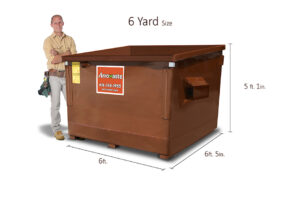
Dumpster rentals are a convenient way to get rid of large quantities of waste quickly and easily. They can be used for construction projects, home renovations, and large events. Many companies offer a variety of sizes and can be delivered to your location in a matter of days. To ensure that you choose the right size for your needs, be sure to calculate the amount of waste you’ll have and order accordingly. This will help to prevent over-ordering or under-ordering and save you money in the long run.

Home renovations, spring cleaning, and major cleanliness overhauls often create large amounts of junk. These piles of debris can be a huge nuisance for homeowners and are difficult to dispose of without proper disposal. With a dumpster rental, homeowners can keep their work area clean and avoid wasting time and energy moving the waste around. This also keeps the surrounding ecosystem intact, preventing environmental pollution.

Renting a dumpster can also be convenient for businesses that generate a lot of waste. It helps to manage the waste and maintain a clean working environment, improves productivity, and reduces expenses. In addition, it reduces the stress of disposing of waste and eliminates safety risks. It can also be a great way to attract new customers and improve brand visibility.

One of the most important aspects of starting a Dumpster Rental business is having a strong marketing plan. It’s essential to identify your target market, research your competitors, and develop a strategy to reach potential customers. A well-executed marketing plan can help you grow your business and achieve a high return on investment.

To make your dumpster rental business successful, you need to build relationships with local contractors, builders, event planners, and other businesses that may need your services. To generate quality leads, focus on creating targeted content that provides valuable information and promotes your business in the community. Additionally, encourage customers to leave positive reviews and testimonials on platforms like Google My Business and Yelp. This will position your business as a trusted industry leader and increase the likelihood of attracting new clients.

What Does a Residential Plumber Do?

Residential plumbers work on piping and fixtures associated with water supply, waste removal, heating, and sanitation systems. They typically complete an apprenticeship program that mixes paid on-the-job training with classroom teachings.Plumber

Working on a commercial plumbing system can be complex compared to residential plumbing. It also requires higher insurance coverage and in-depth licensing. Contact Joe Plumber for professional assistance.

Whether it’s your clothes washer that never fills or your showerhead that turns into an anemic sprinkling device, low water pressure can greatly impact your home life. Thankfully, there are several solutions to increase the amount of water rushing through your pipes to meet your household needs and boost your energy-efficient plumbing system.

If you notice a specific faucet or fixture has low pressure, it could be an issue with the fixture itself or a clogged line or valve. In these scenarios, replacing or cleaning the fixture can usually fix the problem and restore normal water flow.

You may also want to consider contacting your municipal water supply company to report the problem. This can help ensure they are aware of the issue and are working to improve your water pressure.

Another reason for low water pressure can be a faulty shutoff valve. This can usually be located near the water meter in your home. This valve controls the water flow from the main city water line to your house and should be closed when you are not using any water in your home. If your shutoff valve is broken, leaking or seized, it will need to be replaced by a professional plumber.

You can also try to flush out your home’s water lines to remove any mineral buildup that may be restricting the water flow. This will also help to maintain proper water pressure in your home and reduce your water bills. In some cases, you may need to replace your entire pipe system with a newer, more efficient version. If you are at a higher elevation, the lower atmospheric pressure can also affect your water flow.

Optimized Water Flow

Residential plumbers can help ensure that your home’s water supply is running smoothly and efficiently. They can install and replace water heaters, fix drainage issues, and more. This can result in better water pressure throughout your home and improved efficiency when washing dishes, showering, and more. They can also prevent leaks and floods by identifying and fixing any potential problems with your plumbing before they become worse.

In residential plumbing situations, it’s common for plumbers to use CPVC or PP pipes for risers and headers, while using smaller PEX or PE-RT tubing for drops to individual fixtures. These systems are designed to provide a balance between flexibility and performance, while also offering affordable installation costs. However, it’s important to note that this type of plumbing system is not suitable for all homes and may require specialized installation techniques.

Another important function of residential plumbers is to repair and maintain sewage systems. These systems are responsible for removing waste from your home, including faeces and vomit. Therefore, they are extremely important for preventing the spread of infectious diseases.

It’s essential to find a residential plumber who is experienced in dealing with these systems, as they can identify and fix any issues quickly and effectively. They can also help you avoid costly repairs in the future by ensuring that your sewage system is working properly. Additionally, a residential plumber will be able to install and replace your toilets, tubs, and faucets to improve the overall look of your home. This can be a great way to add some extra value to your home if you decide to sell it in the future. They can also recommend the best toilets, faucets, and other fixtures for your home that will suit your personal style.

Prevent Leaks and Flooding

A residential plumber can help avoid costly repairs caused by leaks or flooding. They can also prevent health problems such as mold, and they can reduce the risk of fires by installing sprinkler systems. A professional plumber will install or repair pipes and fittings, including bathtubs, showers, faucets, garbage disposals and water heaters. They can also install or repair appliances such as washing machines, refrigerators and dishwashers.

Leaks are common and can cause significant damage if not dealt with promptly. However, most of them are easy to spot. For example, if your water meter has a reading higher than usual after you’ve used a lot of water, it might indicate a leak. In the case of a serious leak, it’s important to call an emergency plumber right away.

The same goes for floods, as they can cause severe structural damage to your home and furniture. It’s essential to have an emergency plumber in your phone contacts so you can call them when needed.

It’s best to have your plumbing system inspected and maintained regularly by a residential plumber to avoid these issues. This includes checking for potential leaking taps, toilets, showerheads and fittings underneath sinks, among other things. A plumber will also inspect the pipes to ensure they’re sturdy and free from cracks or corrosion.

Preventing leaks and floods can save you a lot of money in the long run. They can also prevent damage to your property and valuables. For instance, a plumbing leak can lead to water damage that could cost thousands of dollars to repair. In addition, it can lead to the loss of sentimental items that you might have kept in your basement or attic.

Expert Advice and Support

As the name suggests, residential plumbers specialize in working with the plumbing systems of homes. They install, repair and maintain all pipes that carry water or gas throughout the building. The work they do covers everything from interpreting blueprints and building specifications to identifying potential problems and inspecting drainage systems. A professional residential plumber can help you choose the best equipment for your needs, and ensure that all work is done safely and efficiently.

Choosing the right residential plumber is important, and you should take the time to read reviews online to find one with a good reputation. You can also ask friends and family for recommendations. Once you’ve narrowed down the options, check that your chosen plumber is licensed. You can do this by visiting the website of your local city or state government. Warner Service has a helpful guide that will show you how to confirm a plumber’s license status in your area.

You should also check whether your plumber has insurance coverage. This will protect you from any additional costs if something goes wrong during the job. A reputable plumbing contractor will have workers’ compensation and general liability insurance coverage to protect their employees in case of an accident on the job site.

Having the right plumber can improve your home’s water pressure and optimize its flow. They can also prevent leaks and flooding by identifying problems in the plumbing system. Regular maintenance from a residential plumber can also help you save money in the long run by catching small issues before they become bigger problems. In addition, a plumber can help you avoid costly damages by quickly fixing any drainage issues that may arise.

Avoid Costly Damages

The cost of hiring a professional plumber to resolve plumbing issues can save property owners the expense of major repairs or replacements down the line. Professionals have the advanced tools, expertise, and cost-efficient solutions to address issues like persistent leaks, stubborn clogs, water heater malfunctions, and more. They also offer maintenance services to help avoid plumbing disasters and extend the life of residential pipes, faucets, fixtures, and appliances.

In addition to their education and certifications, residential plumbers typically carry general liability insurance that covers the cost of associated medical expenses, property damage, and other costs that may result from accidents in the workplace. While this coverage is not required by law, it is recommended for all trade professionals.

Plumbing problems can occur at any time, and homeowners must be prepared to respond quickly when an incident occurs. This is why it is important to choose a plumber with 24/7 availability, as they can be trusted to provide prompt assistance and guaranteed solutions whenever a problem arises. Additionally, choosing a plumber with experience in the specific type of residential plumbing system you have can ensure that your repair or installation job is completed correctly the first time around.

While some issues are easier to fix than others, ignoring them can lead to long-term damage and higher utility bills. A residential plumber can help you avoid these problems by conducting regular maintenance and addressing any immediate concerns. For example, a plumber can check your home for leaks and make sure your water pressure is optimal. They can also recommend energy-efficient fixtures and appliances to reduce your energy costs. These investments will save you money and improve your comfort in the long run.

Fence Repair – How to Choose the Right Fastener for the Job

Your fence protects your property from intruders and keeps livestock safe, but it won’t last forever. Invasive tree roots, harsh weather, and regular use wear on fences until they require repair or replacement. If you need fence repair, call Fence Company Summerville SC immediately.

Fencing RepairIn most cases, your homeowner’s insurance will cover your fence repairs. Some common repairs need to be done as soon as possible: sagging sections, mildewed boards, and broken or damaged posts.

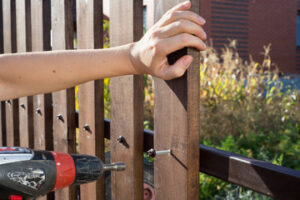
Nails and screws may seem similar in appearance, but the two fasteners perform completely different functions and are best suited for certain applications. Choosing the right fastener for your home improvement project depends on factors like the strength and hold required, how long you plan to work on the job, and the aesthetic appeal of the finished structure.

Screws are great for projects that require a lot of shear strength, or pressure applied in a side-to-side direction. They are also better at resisting withdrawal pressure, or the force that pulls materials apart. Screws have a threaded shaft, which allows them to hold much tighter in wood than nails without a threaded tip.

Nails, on the other hand, are better at resisting tensile strength, or pressure that causes materials to move together or apart. This makes them a great choice for framing, construction and carpentry jobs. Nails are also less expensive than screws, and they don’t require a pilot hole to be driven into a board or piece of lumber.

Many types of nail are available, depending on the type of work you’re doing. Finishing nails, for example, have a smaller head and are designed to blend into the surface of wood. Framing nails, on the other hand, are ideal for construction or framing work and have a smooth shaft that’s designed to be driven with a hammer.

Both nails and screws have a variety of coatings that can help them resist corrosion in wet environments or other adverse conditions. Some nails are galvanized, which helps them stand up to outdoor elements and provide greater resistance to rust. Others have a ceramic coating that can keep them looking good for years, even with exposure to the elements.

The decision between using a nail or a screw should be made before starting any construction or carpentry project. A professional contractor should be able to recommend the best fastener for the job at hand. It’s always a good idea to have both types of fasteners on hand in your tool box, but it’s important to use the correct fastener for each application.

Cracked or Damaged Boards

As any surfer knows, a surfboard isn’t indestructible. It’s not a question of “if” your board will get dinged, it’s a matter of “when.” Heat and UV exposure are the biggest factors, which is why it’s always a good idea to store your board in a cool and shaded place when you’re not using it.

Although surfboards are made of fiberglass, which is relatively durable, a crack or chip in the board can still occur. Typically, these superficial cracks and chips won’t let water in, but they can still weaken the board over time. To fix these cracks, a piece of scrap board as close in size to the damaged area is cut out, and then the edges of this new piece are prepared in the same way that the edges of the damaged board were. A thick glue like Polyfix high viscosity gel is applied to the crack or chip, and then the replacement board is pressed on to fill in the gap and firmly clamped.

For more extensive damage, the board may have to be completely rebuilt. Depending on the condition of the board, this may require replacing the foam top or traction pad with a new one. This is particularly common with older boards that have been left in hot cars or on sunny beaches for extended periods of time.

Another common issue is yellowing of the foam or resin in a board. Both the foam and resin are unstable materials that degrade or yellow over time, especially when exposed to UV light. This is also a cosmetic concern, and can be easily remedied by sanding the foam to smooth it, or by applying fresh resin.

In addition to the damage caused by surfing, accidents and environmental factors, boards can also be damaged by pests. Carpenter ants and bees love a nice wood deck, and termites and wood-boring beetles are also a problem for boards on buildings and homes. Unless the damage to your board is minor, it’s a good idea to hire a professional pest control service to deal with these problems before they spread to other parts of the home or business.

Broken or Rusted Hardware

Many people choose wrought iron fences because they add security and a beautiful appearance to their property. However, wrought iron can become rusted over time and it’s important to find a reputable company that provides wrought iron repair services. This is because if the rust is left untreated, it can deteriorate the durability of the wrought iron and cause it to break or bend.

When working with metal, it’s important to choose nails and screws that can stave off rust for the longest period of time. This is especially true if the hardware will be exposed to the elements like salty ocean air, frequent rain showers and fluctuating temperatures and humidity. Hardware that can hold up to these elements is typically marked as such.

One of the most common problems with rust is that it can make fasteners stick to each other, making them nearly impossible to remove or tighten. This is why it’s so important to check the condition of your metal hardware regularly. If you see rust starting to form, it’s important to take action immediately.

Typically, rust forms as iron oxide that coats the surface of the metal. It can look orange and it will have a rough texture to it. If you have small spots of rust on your metal hardware, it can usually be fixed by simply cleaning it off with a steel wool. However, if the rust has spread to the point that it is impacting the strength or performance of the fastener, you may need to replace it.

If you try to loosen or tighten a rusted screw and can’t get it to move, it’s probably time to try using a penetrating oil. A good quality penetrating oil will penetrate crevices, threads and seams to break the rust bond. WD-40 Specialty Penetrant is one such product that can be used to break through rusted bolts and nuts and make them easier to remove. This product also has a low VOC formula, making it safe to use on various projects around the house and workshop.

Loose or Sagging Sections

When a section of your fence starts to sag, the posts have likely become loose or the fence panels are no longer firmly attached to the posts. This is a relatively easy fix that can be completed fairly quickly. First, walk along your fence line to determine the cause of the problem. Make sure that nothing is leaning or pushing against the fence, and check for any decor or other items that may be weighing down the section. If you find that a post is loose, use a long 2×4 to stretch the fence into a plumb position and re-tighten or screw the post. If the post is severely rotted, it will need to be replaced or reinforced.

If a post has simply shifted in the ground, you can use a heavy-duty fence repair bracket to stabilize it. These are usually made of metal and have an L-shape above the ground, holes for screws, and a stake below. Dig around the base of your fence post, install the bracket, and fill it with concrete to set it.

You can also try to reattach a loose panel by removing the nails or screws holding it in place and then using blocks of wood to prop up the panel, either on its side or at an angle. Once the block is in place, drive screws through the top and bottom rails of the panel to secure it to the posts.

Sometimes, a strong wind or something falling on a fence post can get bent. If the bend is minor, you can use a pair of linesman’s pliers to remove the ties from one end of the bent rail, cut it with a reciprocating saw, and then slip the crimped end of a new section of rail into the other end of the cut rail to straighten it out.

If the post has a more severe bend, you’ll need to dig up the old footing and replace it with fresh concrete or a rigid foam. To do this, you’ll need to use a shovel to clear out several inches (or even up to a foot) of soil from around the base of the post and then break up the old concrete or foam with your shovel.

Navigation