Author: Angela Estrada

How Weather and Climate Affect Pest Activity

Pest activity is closely connected to environmental conditions, particularly weather and climate. Changes in temperature, humidity, rainfall, and seasonal patterns all influence how pests behave, reproduce, and move. Understanding how weather and climate affect pest activity is essential for effective prevention and long-term pest management. By recognizing these patterns, property owners can anticipate potential infestations and take proactive steps to protect their spaces. Discover further details at https://www.benspest.biz/.

The Relationship Between Pests and Environmental Conditions
pest

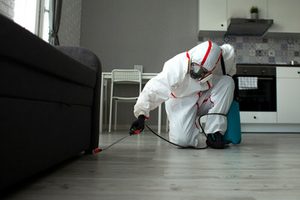
Pests are highly adaptive organisms that rely on environmental cues to survive. Weather and climate determine the availability of food, shelter, and breeding conditions. When these factors align, pest populations can grow rapidly. Conversely, unfavorable conditions may force pests to migrate or seek alternative environments, often indoors.

Climate refers to long-term weather patterns, while weather represents short-term changes. Both play a role in shaping pest behavior. Shifts in either can influence pest life cycles, activity levels, and infestation risks.

Temperature and Pest Behavior

Temperature is one of the most influential factors affecting pest activity. Most pests are cold-blooded, meaning their body temperature and activity levels depend on their surroundings. Warmer temperatures generally increase metabolism, leading to higher activity and faster reproduction.

In colder conditions, many pests slow down, become dormant, or seek shelter. This often drives them indoors, where temperatures remain stable. Understanding temperature thresholds helps explain why certain pests appear seasonally and why infestations can spike during specific times of the year.

Seasonal Temperature Changes and Infestation Patterns

Seasonal temperature shifts create predictable pest activity cycles. In warmer months, insects tend to be more visible as they forage, breed, and expand their territories. Increased outdoor activity raises the likelihood of pests entering buildings in search of food and water.

During cooler months, pests often prioritize survival. Reduced outdoor resources and lower temperatures push them toward enclosed spaces. This seasonal migration makes regular monitoring and preventive measures especially important throughout the year.

Humidity and Moisture as Pest Attractants

Humidity plays a significant role in pest survival and reproduction. Many pests thrive in moist environments, where dehydration risks are minimal. High humidity levels support breeding, egg development, and microbial growth that attracts certain insects.

Moisture problems within buildings, such as leaks or condensation, create ideal conditions for pests regardless of the outdoor climate. Weather patterns that increase humidity or rainfall can amplify these issues, making moisture control a critical aspect of pest prevention.

Rainfall and Pest Movement

Rainfall affects pest activity in multiple ways. Moderate rainfall can increase vegetation growth, providing food and shelter for pests. Excessive rainfall, however, may flood nests and burrows, forcing pests to relocate.

When outdoor habitats become saturated, pests often move toward higher, drier ground. This frequently leads them into homes and buildings. Understanding rainfall patterns helps explain sudden increases in indoor pest activity following storms or prolonged wet periods.

Drought Conditions and Pest Adaptation

Drought conditions can also influence pest behavior. Limited water availability forces pests to seek moisture wherever it can be found. This often leads to increased activity around plumbing systems, irrigation areas, and indoor spaces.

During droughts, pests may become more aggressive in their search for resources. Reduced natural food sources can drive them toward human environments, increasing the risk of infestation even in otherwise dry conditions.

Wind and Pest Dispersal

Wind plays a less obvious but still important role in pest movement. Strong winds can carry flying insects over long distances, introducing them to new environments. Wind can also displace pests from their natural habitats, pushing them toward sheltered areas.

Changes in wind patterns can affect how pests spread and where they settle. Buildings that offer protection from wind often become attractive refuge points, especially during storms.

Climate Change and Long-Term Pest Trends

Long-term climate changes are altering pest activity patterns worldwide. Gradual increases in average temperatures extend breeding seasons and allow pests to survive in areas previously unsuitable for them. Milder winters reduce natural population controls, leading to larger pest populations.

Changes in climate can also shift pest life cycles, making infestations less predictable. Extended warm periods may result in multiple breeding cycles within a single year, increasing overall pest pressure.

The Impact of Extreme Weather Events

Extreme weather events such as heatwaves, heavy storms, and sudden temperature fluctuations can disrupt pest populations. These events may temporarily reduce certain pests while creating opportunities for others.

Following extreme weather, pest activity often rebounds quickly. Damaged structures, standing water, and debris create new entry points and breeding sites. Proactive inspections after extreme weather help identify and address emerging risks.

How Weather Influences Pest Reproduction

Weather conditions directly affect pest reproduction rates. Warm temperatures and high humidity accelerate egg development and larval growth. Favorable conditions can lead to rapid population increases in a short time.

Unfavorable weather may slow reproduction but rarely eliminates pests entirely. Many species have survival strategies that allow them to persist until conditions improve. This resilience highlights the importance of ongoing pest monitoring.

Weather-Driven Changes in Food Availability

Weather affects plant growth, decay, and food availability for pests. Abundant vegetation during certain seasons supports higher pest populations. Conversely, weather-related crop damage or reduced plant growth can drive pests toward alternative food sources.

Human environments often provide consistent food access, making them especially attractive during periods of environmental stress. This connection explains why pest activity often increases indoors following significant weather changes.

Indoor Climate Control and Pest Activity

Indoor climate control can influence pest behavior as well. Heating and cooling systems create stable environments that attract pests seeking consistent temperatures. Poorly maintained systems may also introduce moisture and shelter opportunities.

While indoor climate control improves comfort for occupants, it can inadvertently support pest survival. Regular maintenance and inspections help minimize these risks.

Predicting Pest Activity Based on Weather Patterns

Understanding weather patterns allows for better prediction of pest activity. Anticipating seasonal changes, rainfall trends, and temperature shifts helps property owners prepare for increased pest pressure.

Predictive awareness supports preventive pest management strategies. By addressing vulnerabilities ahead of time, property owners reduce the likelihood of infestations during peak activity periods.

Preventive Measures Aligned With Weather Conditions

Effective pest prevention adapts to changing weather conditions. Sealing entry points before colder seasons, managing moisture during wet periods, and maintaining sanitation during warmer months all contribute to reduced pest risks.

Aligning preventive measures with weather patterns ensures year-round protection. This proactive approach minimizes the need for reactive treatments and supports long-term pest control success.

The Role of Inspections in Weather-Related Pest Control

Regular inspections are essential for managing weather-related pest risks. Inspections help identify how weather has impacted a property, including new entry points, moisture issues, or environmental changes.

By addressing these factors promptly, inspections prevent weather-driven pest problems from escalating. Consistent monitoring supports adaptive pest management strategies that respond to changing conditions.

Adapting Pest Control Strategies to Climate Trends

As climate trends continue to evolve, pest control strategies must adapt. Long-term planning that accounts for shifting pest behaviors and extended activity seasons is increasingly important.

Adaptive strategies focus on prevention, education, and monitoring rather than short-term solutions. This forward-thinking approach ensures effective pest management in a changing environment.

Why Awareness Matters for Property Protection

Awareness of how weather and climate affect pest activity empowers property owners to take timely action. Recognizing patterns reduces surprise infestations and supports informed decision-making.

Education and awareness also encourage collaboration between occupants and pest control professionals. Shared understanding leads to more effective and sustainable outcomes.

Long-Term Benefits of Weather-Informed Pest Management

Weather-informed pest management reduces risks, costs, and disruptions over time. By anticipating pest activity, property owners can implement targeted preventive measures that protect structures and health.

This proactive approach supports long-term property protection and peace of mind. Understanding the connection between weather, climate, and pests creates a strong foundation for effective pest control.

Weather and climate play a powerful role in shaping pest activity. From temperature and humidity to rainfall and long-term climate trends, environmental conditions influence how pests survive and spread. Understanding these factors allows property owners to anticipate risks and respond proactively.

By aligning pest management strategies with weather patterns and climate conditions, infestations become easier to prevent and control. A weather-aware approach to pest management ensures healthier, safer, and more resilient living and working environments year-round.

Behind the Scenes: Exploring the Vital Role of Plumbers

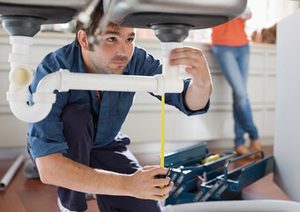
Plumbers install, repair, and maintain pipes, fixtures, and appliances that facilitate water supply, drainage, and waste disposal in residential and commercial settings. They also interpret blueprints and other plans, inspect plumbing systems for leaks and clogs, and ensure they are installed according to building codes and regulations.Plumbers

Plumbers typically undergo classroom instruction and paid on-the-job training through an apprenticeship. They must also obtain a license to work independently. Contact Clearwater Plumbers for professional help.

A faucet that squeaks isn’t just annoying; it could indicate that there’s internal damage. A professional plumber will be able to inspect and repair the problem quickly, preventing any further water damage and saving you money in the long run.

Depending on the type of faucet, a plumber can usually make the necessary repairs within 30 to 60 minutes. The first step is to locate the parts needed to disassemble the faucet. This information can be found on the label or in the owner’s manual for the faucet. Alternatively, you can visit your local plumbing supply specialist to find the right parts. These specialists cater to professionals and can often help you find the parts you need faster than your average home center.

You can also buy repair kits that contain all the necessary components for your specific type of faucet. These kits are typically cheaper than buying individual parts and will save you the headache of having to figure out exactly what each part does. However, since hundreds of different types of faucets have been made, it’s important to know the type of faucet you have before purchasing a kit. Getting the wrong parts will only lead to more trouble and may even damage the faucet further.

If your faucet is leaking from the handle, the most likely culprit is a worn O-ring. A worn O-ring isn’t just an inconvenience; it can waste thousands of gallons of water per year. It’s a good idea to replace the O-ring while you’re disassembling the faucet to prevent leaks from occurring in the future.

Another common reason for a leaky faucet is a corroded valve seat or loose washer. Both of these issues can be very difficult to diagnose and fix without removing the entire faucet. A professional plumber will be able to assess the situation and recommend a course of action.

If your faucet is spitting or spraying water, it may indicate that there’s internal damage or a blocked aerator filter. While a sputtering faucet can sometimes be fixed by adding a little grease to the stem, you should call a plumber immediately for any other problems. Irregular water flow can cause serious damage to the faucet and other parts of your home, so it’s important to have any issues repaired as soon as possible.

Repairing the Handle

Plumbers install and repair pipes, fixtures, and appliances like sinks, toilets, bathtubs, and showers. They also inspect plumbing systems to ensure they meet building codes and regulations. This job requires attention to detail, excellent customer service skills, and the ability to work with hand tools and power tools. Plumbers often work on large commercial and industrial projects, as well as residential homes.

In new construction, they work from blueprints and architectural plans to lay pipe, set toilets and faucets, and hook up appliances like dishwashers and washing machines. They also fix existing plumbing, repairing leaks, clogs, and other issues. Plumbers often use power tools, soldering equipment, and specialized testing equipment to complete their work.

Plumbing is a physically demanding profession, requiring workers to be strong and fit. It also involves long periods of standing and working in tight spaces, so it is important for plumbers to have good physical stamina and manual dexterity. In addition to these physical requirements, plumbers must be able to think critically and solve problems quickly. They must be able to identify the source of a problem, weigh different solutions, and choose the most effective one.

Many plumbers work as independent contractors, which gives them more control over their schedules and the types of projects they take on. However, some plumbers prefer to work for a company or organization. This can provide stability, benefits, and training opportunities.

Plumbers must be licensed in order to practice their trade. This process includes classroom studies and on-the-job training under the supervision of a certified journeyperson. Applicants must pass an exam and meet state and local requirements to be licensed. Plumbers who specialize in certain areas may need additional certifications.

If your faucet handle is leaking, it’s likely because the “O” ring has stretched out and is no longer sealing properly. You can try lubricating it with penetrating oil to see if that helps. If not, you’ll need to replace it with a new one.

Removing the Spout

Plumbers are skilled tradesmen who use their knowledge of water supply, drainage, and plumbing systems to fix a variety of different problems. They must be able to diagnose and repair issues in homes, commercial buildings, and industrial facilities. They must be familiar with a wide range of tools and equipment, including wrenches, pipe cutters, soldering machines, and power tools. Plumbers also need to be aware of and follow relevant safety protocols when working with hazardous materials or in confined spaces.

The plumbing industry is constantly evolving, and plumbers must keep up with new technologies and techniques to stay competitive. This means that plumbers must be willing to undertake continuing education courses and obtain certifications. In addition, they must be able to interpret building codes and regulations, and they may need to apply for a license to work in certain areas. Plumbers are typically self-employed, but some choose to work for companies that offer plumbing services to customers.

There are a number of benefits and drawbacks to becoming a plumber, including the opportunity for job independence and flexibility. However, this career choice can also be very physically demanding and requires the ability to work with a range of hazardous materials. Furthermore, plumbers often need to travel between jobs and spend time away from home.

If you’re interested in becoming a plumber, start by attending a technical or trade school to gain the necessary skills. From there, find a local apprenticeship program that can help you learn the ins and outs of the plumbing industry. Apprenticeship programs can last between two and five years, and they’re a great way to get hands-on experience in the field.

Once you’ve finished your apprenticeship, you can take the state exam to become a licensed plumber. Once you’re certified, you can begin working on plumbing projects in the residential, commercial, and industrial sectors. You can also choose to specialise in one area of plumbing, such as sanitation, ventilation, or air conditioning.

Removing the Cylinder

A cylinder is an object that is round in shape and has a base of equal radius to its height. Cylinders are commonplace in everyday items like cold drink straws, wells and even in our homes in the form of water pipes. Plumbers are tasked with the job of installing, repairing and maintaining these systems for clean water supply, hot-water production and waste drainage. This involves working with a wide range of tools, materials and building codes. Plumbers must have strong critical thinking skills to weigh options and choose the best solution for each situation.

During the installation of plumbing systems, plumbers work from blueprints and architectural plans to lay out pipe routes and hook up appliances. This requires attention to detail and knowledge of building codes in order to ensure that the finished product is safe and compliant. Plumbers also perform maintenance on existing plumbing systems to identify and repair problems. This can involve removing clogs, fixing leaks and replacing parts.

Many plumbers are self-employed and therefore have greater flexibility in their scheduling and choice of projects. This type of work can be very satisfying as it allows plumbers to have a hands-on approach and build a rapport with their clients. However, it is important for plumbers to be organized and punctual as they often work with tight deadlines.

There are a few essential tools that you will need to replace the cylinder in an office chair:

A rubber mallet or hammer for tapping and lightly striking parts of the chair that need loosening.

An adjustable wrench and a set of large pliers. The pipe wrench or pliers will help grip and turn the cylinder during removal. A lubricating spray may be helpful as well, especially if the cylinder is stuck or has been in place for a long time.

Be sure to protect the floor and surrounding area when working with these tools, as leaking hydraulic fluid can cause serious damage. Once you have the tools, start by turning the chair upside down to access the base and cylinder. Locate the locking clip or mechanism, which can be a screw, horseshoe clip or retaining ring, and remove it. Next, gently tap the cylinder with your rubber mallet to disengage it from the base of the chair.

How Interior Painting Can Transform Your Home

Interior Painters Perth can transform the look and feel of a home. It also protects walls from damage and wear.

There are many trends when it comes to interior painting. Strie is one such trend that allows for a unique look while blending with other aesthetics.

painting

Interior painting is a decorative art form used to make a space more pleasant, appealing and comfortable. It is applied to walls, ceilings and trim. The process can include stencils, murals and patterns. It can also involve woodwork such as moldings. It is a common feature in residential and commercial buildings.

The preparation process is essential for any successful interior painting job. Without it, the finished product will not look as professional or sharp. The prep process consists of several important steps, such as cleaning, making repairs, sanding, priming, caulking seams and more. Performing these tasks properly can ensure that the final result looks good and lasts for a long time.

Before beginning any paint project, it is vital to thoroughly clean the surfaces to be painted. This step will remove any dust, dirt, grime or other debris that may interfere with the outcome of the paint job. It is a good idea to use water and detergent for this purpose. It is also a good idea to vacuum and sweep the space prior to starting.

During the pre-painting phase, it is a good idea to move or cover any furniture in the room. This will help prevent any damage that might be done to the furniture during the painting process. It is also a good idea to cover any electrical outlets and light switches with plastic covers. This will prevent children and pets from accidentally knocking over the covers or getting paint on themselves.

Another key aspect of the pre-painting phase is repairing any cracks or holes in the walls and ceilings. This is important because it will help to ensure that the new paint adheres to the surface properly. It is also a good idea to repair any loose or peeling areas of the wallpaper as well.

The final step in the preparation process is to double-check the color of the paint that is being used. This is a simple and effective way to ensure that all the ingredients are mixed properly and that the shade matches exactly what was intended for the room.

Choosing the right paint color is one of the biggest decisions you’ll make for your home. It’s a commitment, and it will affect the mood, function and style of your space. That’s why it’s a good idea to test swatches on your walls before committing to a color.

Ideally, you’ll be able to do this in a room that is already furnished and decorated. If you can’t do this, you’ll need to test swatches in a similar space with different lighting. It’s a good idea to move the swatches around over a few days to see how they look in different directions of light, too. Taking your time with this process will save you a lot of frustration and money in the long run!

If you’re looking for inspiration, consider starting with a piece of furniture. Pick up throw pillows, blankets or table linens in colors that catch your eye, and use them as a guide for the rest of your color scheme. If you’re not sure how to select a color, consider using a color wheel. Contrasting colors (opposite each other on the wheel) energize and enliven each other, whereas neutrals or harmonious colors (adjacent on the wheel) are aesthetically pleasing.

When choosing paint colors, you also want to keep in mind their undertones. For example, a simple beige may have yellow or green undertones, which will impact the way it looks on your walls. This is why it’s important to sample your paint — you may be surprised by the results!

It’s also a good idea to think about the reason you’re painting. If you’re planning to sell your home, consider sticking with a neutral shade that will appeal to a wide range of buyers. But if you’re not concerned with resale, don’t be afraid to choose bolder shades that will add personality and flair to your space! Just be sure to balance them with lighter trim and furniture shades to avoid a too-busy effect. If you’re still unsure, ask your paint specialist to create a custom blend that will be sure to please!

Painting is a time-consuming project that requires a high level of skill and attention to detail. Whether you’re looking to update the color of your living room or create a new look in your kitchen, a fresh coat of paint can make all the difference. In addition to enhancing the appearance of your home, a new coat of paint can also help hide stains and dirt.

Before beginning the painting process, it is important to prepare the surface for painting. This can include sanding the wall, cleaning the area and applying a primer. Primer helps the new paint to adhere to the surface and prevents it from peeling or chipping over time. It is also important to use low-VOC paint when painting the interior of your home. This type of paint reduces the amount of harmful chemicals that are released into the air and can improve indoor air quality.

If you are planning on selling your home in the future, a fresh coat of paint can make it more attractive to potential buyers. It will also ensure that your home is up-to-date and well-maintained, which can help you get a higher sale price.

It is important to remove as much furniture and other items from the room as possible before beginning the painting process. This will allow you to move around the room more easily and prevent accidental paint splatters on objects that you would like to keep intact. If there are items that you cannot move, be sure to cover them with plastic or painters’ tape to protect them from paint splatters.

Once the walls and trim are prepared for painting, it is time to begin the actual painting process. It is important to work in small sections, and to apply a thin layer of paint at a time. This will help prevent the walls from becoming too saturated with paint, which can cause them to become brittle or contaminated with mold and mildew.

It is also important to remember that it can take several coats of paint to achieve a fully saturated and even finish. If you are having trouble achieving the look that you want, it is a good idea to consult a professional painter who can advise you on what types of finishes and techniques will be best for your home.

A fresh coat of paint can make all the difference in the appearance of a room. It also serves a functional purpose, keeping materials like plaster and drywall from absorbing moisture and degrading over time. This can lead to structural damage, as well as potential contamination by pathogens like mold and mildew. In addition, the use of interior paint can help prevent dust, dirt, and other debris from gathering in a home or business.

A successful painting job requires a number of skills and techniques, including preparation, color selection, and application. Professional house painters are trained to perform these tasks in a safe and efficient manner, allowing them to complete projects more quickly and accurately than the average homeowner.

Interior painting is an inexpensive way to give your home or business a facelift and improve its overall look and feel. This is especially true if you live in an older home that hasn’t been painted in some time. In some cases, a fresh coat of paint can even increase the value of your property.

If you have a little extra time on your hands, you can save yourself some money by tackling the task yourself. However, painting an entire room is a significant project that can be overwhelming for people with limited experience. It’s important to take the time to choose the right supplies, prep the area, and practice the proper techniques in order to get a professional-quality finish.

There are a number of different interior paints on the market, and each has its own unique benefits. Water-based interior paints, for example, generally have lower VOC levels than oil-based varieties. Additionally, many water-based paints are odorless and don’t require any special ventilation. This makes them an ideal choice for people who have sensitive respiratory conditions or young children.

In this video, professional painter Frank Sinicrope explains the different components of interior painting and tips for getting a smooth and even coat. He also discusses the importance of patching cracks and holes, using the right type of brush, and preparing surfaces properly before painting.

Why It’s Important to Have an Electrical Safety Inspection

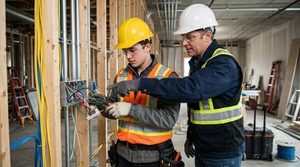
If you’re a landlord, a safety inspection is a mandatory requirement to ensure your property complies with government standards. It can also help you save money on energy bills by identifying and fixing any issues that could cause future damage.Electrician

A professional electrician can check your electrical panel, outlets and switches, wiring and circuits, GFCIs and AFCIs, outdoor circuits and HVAC wiring, and smoke and CO detectors.

All electrical installations and wiring will naturally deteriorate over time, which is why it’s so important to have regular inspections. These tests will identify faulty wiring, loose connections, and more. By catching these issues early on, you can avoid expensive repairs in the future.

The most obvious sign that you should schedule an electrical safety inspection is a circuit breaker or fuse blowing regularly. This can be caused by overloading a circuit or even by some of your appliances and devices drawing too much power. Other signs to look out for include flickering lights, strange sounds, or sparks around outlets and fuse boxes. Flickering lights can indicate that there’s a problem with the wiring, and sparking can indicate that the wiring is overheating.

Another big reason to schedule a safety inspection is that it can help you stay compliant with local regulations and standards. If you’re not up to date on your electrical system, it could pose a fire risk, and you may also be at risk of hefty fines if you get caught.

A safety inspection will include a visual audit with detailed testing done with the power switched off to ensure your home is safe. Among other things, it will test for the presence of fuses or breakers, proper grounding and bonding, and the condition of light fixtures and cords. It will also check for extension cords and their suitability for use in your home. The inspector will also check the smoke and carbon monoxide detectors to make sure they’re working properly.

A lot of people don’t think about getting their electrics inspected until something goes wrong, and that’s usually too late. An electrical safety inspection will identify problems before they become serious, and it’s much cheaper to fix them when they’re minor than when they cause damage or a fire. Plus, it’ll protect you from costly fines and extra costs down the line. The best part? It’s a low-cost way to guarantee the safety of your family or employees. Contact us to request an electrical safety inspection today!

Prevent Damage

The goal of an electrical safety inspection is largely preventative in nature. It’s one of the only ways to identify possible issues before they become serious problems and potentially cost you money. For example, faulty wires can spark and cause fires, or your electronics may be damaged if your wiring isn’t working properly.

Electrical safety inspections also help reduce the risk of power surges in your home. These are incredibly costly and can damage plugged-in electronics and appliances. A professional electrician will check the condition of your wiring, components, and circuit breakers to ensure they are safe and free of any visible defects or signs of wear and tear.

Another way an electrical safety inspection can save you money is by preventing power shortages and reducing your energy bills. Faulty wiring, extension cords, switches and receptacles, and outdated equipment can all cause expensive power spikes and shortages. If you have a breaker that constantly trips, this is a sign that you may need an upgrade or replacement. During your electrical safety inspection, your electrician will find any areas where your home could use improvements in its current system and make the necessary upgrades to reduce costs and avoid potential damage.

If you live in an older home, it’s essential to have a professional conduct regular safety inspections. Houses built in the 80s or 90s may not have updated wiring. Over time, older wiring can break down or become faulty due to age, moisture, and other factors. An experienced professional will check all the wiring and components in your home, even those that appear to be intact.

When it comes to electricity, you can’t afford to take chances. House fires caused by electrical malfunctions are more severe and damaging than other types of fires, resulting in more injuries and deaths every year. An electrical safety inspection is the best way to spot any potential dangers and keep your family, pets, and belongings safe.

Avoid Injuries

Electricity is one of the most convenient and taken-for-granted amenities that we have today, but it can also be deadly if it isn’t properly maintained. This is why electrical safety inspections are so important. They can help identify any potential problems before they cause any major issues or damage.

For example, faulty wiring can cause fires and lead to expensive repairs. This is especially true if the wiring has become damaged over time due to weather or other factors. In addition, a power surge can damage your electronics and appliances. Power surges can be caused by a variety of things, including power outages, overloaded circuits, or equipment malfunctions. An electrician can check your home’s wiring to ensure that it is safe and up-to-date.

If you notice any signs that your wiring is damaged, make sure to have it replaced as soon as possible. Always wear rubber-soled shoes and gloves when handling electricity, and be careful not to touch anything that is hot. Also, never use an extension cord that is damaged or frayed. It’s best to use a cord that is specifically made for use with electricity, as this will reduce the likelihood of damage and accidents.

Another way an electrical safety inspection can prevent injuries is by identifying any potential hazards in the workplace. This is particularly important if your employees are working with electricity. Employees should be trained in proper electrical safety procedures so they can avoid accidental shocks or fires. An employee who is not familiar with electrical safety procedures could be severely injured or killed if they are shocked by an exposed wire or circuit.

A thorough electrical safety inspection should include an evaluation of the following:

Avoid Fires

Electricity is one of the great modern conveniences, but it’s also a dangerous and sometimes deadly threat. Electrical fires are among the most common causes of house fires, and they can cause extensive damage to your home and valuable possessions. An electrical safety inspection can help you avoid this devastating danger.

Electrical wiring and components can break down or become unsafe over time due to age, exposure to water or heat, physical damage, excessive wear, and even being used past their intended lifespan. These problems can lead to short circuits, overheating, and even a fire. An electrical safety inspection will ensure that all wiring and components are free from these hazards.

The inspection process will include checking all light fixtures, sockets, and switches for signs of deterioration or wear and tear. It will also verify that the wires are properly grouped together and not exposed in wet or damp locations. An inspector will also check for overloaded electrical outlets and circuits, which are a leading cause of residential fires. Overloaded outlets and circuits generate excess heat that can burn insulation, melt plastic, and eventually cause a fire. The good news is that most electrical systems have built-in circuit breakers and fuses that automatically disconnect power when an overload occurs, but an improperly sized fuse or circuit breaker can cancel this safety feature.

It’s important to keep in mind that electrical fires can be extremely difficult to detect and often occur without warning, especially if the problem is hidden within walls or behind the surface of your home’s walls. This is why it’s essential to regularly have an electrical safety inspection conducted by a professional electrician.

Navigation