Glass Shower Doors

Frameless Glass Shower Doors can enhance your bathroom’s appearance, improve the resale value of your home, and make cleaning easier. Learn about the various design and functionality options available to suit your style.

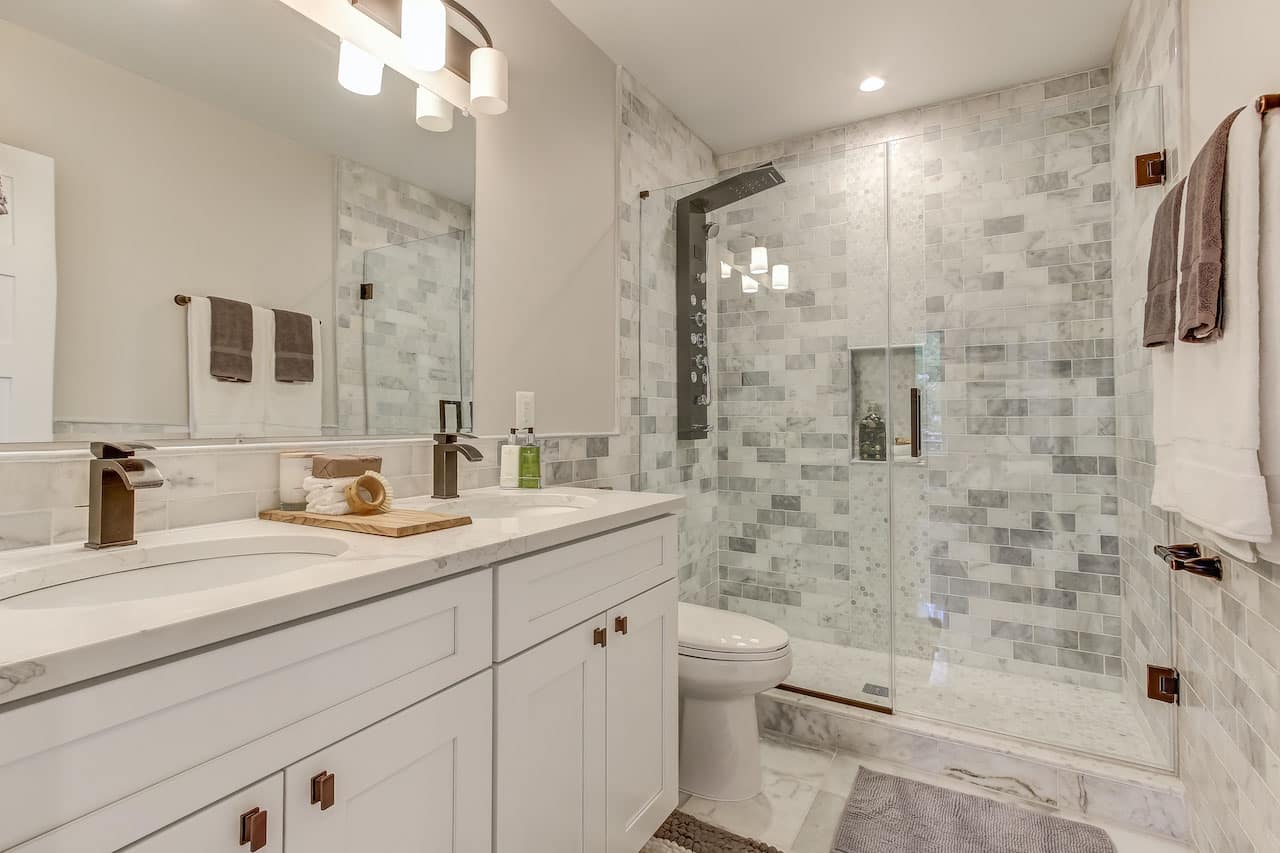
Clear glass allows light to flow into the room, making it feel bright and spacious. It also eliminates visual barriers, creating the illusion that your bathroom extends beyond its physical boundaries.

Sliding Shower Door 54 x 72 Shower Door 14 Clear Glass Semi-Frameless  Shower Enclosure Stainless Steel Hardware Black Finish Bypass Glass Door

Clear Glass

The transparent nature of glass shower doors lets natural light enter the bathroom and creates an open feel. They also make the room appear larger, especially if they’re frameless.

This style of door is trendy right now and won’t go out of style anytime soon. It can easily match your current bathroom design and blend in with any future updates. It is also more affordable than some other options.

One of the main benefits of this style of door is that it’s easier to clean than other types. There are no rails or tracks that can trap dirt, mildew, mold, and soap scum. Plus, it’s easy to remove hard water spots from the surface of the glass with a quick squeegee after each use.

The trackless design of frameless glass shower doors also eliminates the risk of sliding debris or a puddle on the floor. This feature makes it safer for children and elderly adults to get in and out of the shower, as well.

Frameless shower doors are available in different thicknesses, and you can choose a design that matches your bathroom’s style. For example, you can have them made in a matte black finish to match your other hardware, or you can choose a more luxurious, high-end design.

Frosted or patterned glass may hide some of the build-up and fingerprints that can be more noticeable on clear glass. However, if you use a squeegee after each use and regularly do a deep cleaning of your shower, your glass doors will stay spotless and look brand new for years to come. You may need to scrub the surface more often, but it will be less time consuming and labor intensive than maintaining a curtain.

Natural Light

Glass shower doors, paired with a window in the bathroom, allow natural light to flood the space. This can make smaller bathrooms feel much larger and brighter than a cramped room with a bulky shower curtain. It’s a great way to start your day, waking up in a sun-drenched bathroom with a fresh sense of space and openness.

Another benefit of clear glass is that it is very easy to clean and doesn’t hide dirt, grime or streaks like a traditional shower curtain does. This is a big plus for people who are obsessive about keeping their bathrooms looking their best, but can be a drawback for those who prefer to spend less time cleaning and more on relaxation.

Frosted glass offers an alternative look that can be more visually appealing. There are many textures to choose from, allowing you to create a style that matches your bathroom’s décor. However, textured glass can be harder to keep clean, as it traps soap scum and mildew between the small bumps on the surface of the glass.

Framed glass doors are a classic and timeless design that are suitable for any bathroom. They offer a variety of customization options and are easier to clean than frameless doors, as they do not have the open edges that can trap soap scum and mold. They are also less expensive than frameless doors and come in standard sizes to fit a wide range of shower stalls.

Glass shower doors made with low-e coatings are energy efficient and can save you money on your heating and cooling bills. This is because they reflect heat back into the room in winter and block UV rays that fade furniture, carpeting, and fabrics.

Increased Spaciousness

Bathrooms are one of the smallest rooms in a home, and they can feel cramped with a shower curtain or bulky framed enclosure. Glass doors open up the space and let light in, which can make a small room feel bigger and more spacious. This increased light is a plus for your home’s energy efficiency, and it also helps you see better when brushing your teeth or shaving.

Adding glass doors to your bathroom can also increase the value of your home when it comes time to sell. The added spaciousness and natural light are appealing to potential buyers, as they will give the feeling of a bright and clean space. Having these features in the bathroom will help make the entire house feel fresh and clean, which is a big selling point for any home.

Another benefit of a glass shower door is that it is much easier to keep clean than a traditional shower curtain. Because they don’t have the fabric that collects soap scum and other debris, glass shower doors require much less cleaning. This can save you a lot of time and effort, especially if you have several bathrooms to maintain for a development project.

Glass shower doors are available in a variety of different styles, from frosted to patterned, which adds a personal touch to your bathroom. There are a number of hardware finishes that you can choose from, which can further customize the look of your shower. You can also decide whether you want frameless, framed or semi-frameless glass shower doors. Frameless doors are the most expensive option, but they offer a sleek and modern appearance without the distracting metal frames.

Increased Privacy

Glass shower doors are an excellent addition to any bathroom, as they allow more light to enter and provide a cleaner look. The lack of a bulky metal frame also makes your bathroom appear larger, which is a huge benefit for homeowners with smaller bathrooms or tight spaces.

In addition to increasing the spaciousness of your bathroom, glass shower doors are also easy to keep clean. This is due to the absence of hard-to-reach cracks and corners that are prone to mold and soap scum. Simply wipe down your custom glass doors after each use and you’ll be able to easily avoid these issues. Alternatively, you can use a windshield water repeller to help prevent the build-up of hard water stains and spots on your shower doors.

While clear glass is a popular option for most homeowners, frosted glass offers a great deal of privacy as well. Frosted glass is made opaque through the process of acid-etching or sandblasting, and it allows diffused light to pass through without being visible. Additionally, a frosted glass shower door can be designed to suit any aesthetic, as there are numerous patterns available to choose from.

Another option for increased privacy in your glass shower is smart film or switchable glass. These products are a perfect retrofit solution for existing glass showers and can be installed by a glazier. Switchable glass and film offer the ultimate convenience when it comes to maintaining privacy in your bathroom, as they can be turned on or off as needed.

Ultimately, glass shower doors are not only easy to maintain but they can also drive up the value of your home. This is especially true if you decide to list your property for sale in the future.

Easy Installation

Shower glass can be a beautiful upgrade to your home’s bathroom, increasing the spaciousness of your shower and providing natural light. This is a great way to add a touch of luxury, and it also increases your bathroom’s resale value. However, it’s important to make sure that your glass shower door is properly installed to prevent water leakage and mold growth. This is best left to professionals who have the right tools and equipment to do the job correctly.

The type of glass you choose for your shower doors will also have an impact on your bathroom’s look and feel. For example, frosted glass will obscure the view of people in your shower, making it more private. However, some textured styles like pebble glass have a more decorative effect and do not block the view as much.

Tempered glass is a common option for shower doors because it is incredibly durable. It’s made by heating and rapidly cooling standard glass, which makes it stronger than other types of glass. Additionally, tempered glass is safer to handle because it will not shatter into sharp pieces when broken.

Installing a glass shower door is a fairly straightforward project. All you need is a helping hand, precise measurements and the right tools to get the job done. If you are feeling a little hesitant about DIYing this project, hiring a professional will ensure that your new glass shower doors are properly installed without any future issues. A professional will also be able to help you decide what type of hardware finish would work best with your new shower doors. This will help your bathroom’s style and color scheme stay consistent throughout.

Types of Siding

Siding

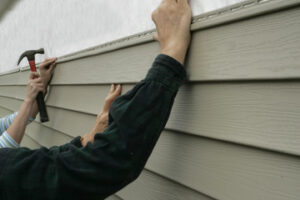
Siding adds beauty and value to a home while protecting it from harsh weather conditions, locking in heat or cold, and warding off pests. But there are many different types of siding, which can be daunting for a homeowner. Read on Top Notch Roofing/Siding for more information.Siding

Fiber cement siding, also known as Hardie board or HardiePlank, is one of the most popular home siding types. It combines cement, wood fiber and other additives that make it more challenging than most traditional siding materials. While it can be more expensive upfront, its longevity and durability make it an excellent investment. It is also highly resistant to fire, moisture, insect damage, and rot. It is also impact-resistant and can withstand harsh weather conditions, including hail and high winds.

A number of companies manufacture fiber cement siding, but James Hardie Industries is the most well-known and popular manufacturer of the product. The company’s siding is available in a variety of textures and surface designs, and it comes pre-primed with a range of colors. It can also be painted if the homeowner wants to customize the color.

Unlike natural wood, which is harvested from trees, the wood used in fiber cement siding comes from recycled sources or reclaimed wood. It also has forest-saving properties, which reduces the amount of fresh wood that is needed to build homes. The reclaimed wood is blended with Portland cement and silica, which makes the material more durable than traditional vinyl or aluminum siding.

Its versatility means that homeowners can choose from a wide selection of styles, from the classic look of stucco to the look of wood clapboards or cedar shingles. It can even be made to resemble brick or stacked fieldstone, and it is available in different thicknesses. In addition, it can be molded into different shapes and sizes and can be installed in both vertical and horizontal configurations.

Because of its strength, durability and resistance to rot, mold and insects, fiber cement siding can last up to 50 years when properly maintained. Regular washing with a garden hose and the application of caulks and sealants can keep the material looking good.

Homeowners with a strong working knowledge of construction practices can install fiber cement siding themselves, but it’s typically best to hire a professional. This is because the product is heavier than other types of siding and requires special tools for cutting. Also, mistakes can have a significant impact on the performance capability of the siding, so precision and attention to detail are key.

Vinyl

Vinyl siding is a popular cladding option for homeowners looking to enhance the look of their homes without spending a lot of money. It is easy to maintain and can improve energy efficiency. The main component of vinyl siding is polyvinyl chloride (PVC), which has been combined with other chemicals to create a durable, weather-resistant material. The resulting mixture can be extruded into different shapes and sizes to create an array of unique styles.

When it comes to color, manufacturers use pigments and coloring agents to create a variety of shades and tones that mimic natural materials, such as wood or stone. In order to resist fading, UV stabilizers are often incorporated into the formulations of pigments and dyes used in vinyl siding.

Manufacturers can also incorporate textures into their vinyl cladding products. This allows them to achieve a more authentic look that is not only visually appealing, but can also feel like real wood. This gives homeowners a more custom option that they can use to make their home stand out in the neighborhood and give it a truly unique look.

Aside from being durable and low maintenance, vinyl siding can help save homeowners money in the long run because it does not require refinishing or regular painting. Additionally, vinyl siding is an energy-efficient material because it provides insulation for the walls of a house. This can help keep the interior of the home cooler in the summer and warmer in the winter.

Before you choose a color, take the time to review inspirational photos and homes in person to determine what looks best on your own property. It is also important to consider your neighborhood when making a decision because you may not want to be the only house on your street with vinyl.

Another thing to consider is the potential impact that vinyl siding might have on future homebuyers if you plan on selling your home in the future. Although it is inexpensive and offers many benefits, some homeowners believe that it degrades a home’s value and should only be used on newer homes or houses that are being rebuilt or restored to their original state.

Cedar

Cedar siding is a beautiful option that can give your home the rustic charm of log homes or the clean lines of a modern cottage. It is also a great choice for homeowners looking to increase the energy efficiency of their homes, as cedar has double the insulation of other types of wood sidings.

Cedar is a natural, renewable material with high durability and beauty. It resists moisture better than most other woods and has natural oils that repel pests, fungi, and other microbes. As a result, it lasts longer than other types of siding, including fiber cement and vinyl. However, it can be more expensive than other types of siding, and requires more frequent maintenance to keep it in good condition.

When properly cared for, cedar can be a long-lasting and affordable siding option. Its natural oil helps it resist moisture and rot, making it less likely to need re-painting than other types of wood. It also has a unique resistance to mold and mildew growth, which is a problem for some other types of wood.

A common type of cedar siding is bevel siding, which is milled to have one smooth side and one rough side. It can be left unfinished or stained for a natural, rustic look. It is often a more cost-effective choice than solid clapboards, since the bevel cut allows lumber to be used more efficiently by getting two beveled panels from one clapboard.

Other types of cedar siding include drop channel and tongue and groove. Tongue and grove siding has a small ledge on the grooved side that overlapping boards create. This allows the boards to expand and contract with temperature changes without buckling or separating. This style of siding is more commonly used on sheds and barns.

Drop channel siding has a similar design, but is typically wider and thicker than tongue and grove. It is also more cost-effective than bevel siding, but may be more susceptible to warping and shrinking.

Despite its attractiveness, cedar is a flammable material that can pose a fire risk if not properly treated with fire-retardant chemicals. In addition, it is not as rot-resistant as vinyl or fiber cement, so it may need to be replaced more frequently.

Steel

Steel siding is one of the most durable exterior materials available. It stands up to fire and pest activity, as well as the elements of nature including high temperatures and strong winds. It also resists moisture and fungus, as well as warping or shrinkage from extreme temperature changes.

It is available in a wide variety of colors and textures, making it easy for homeowners to find hues that amplify the aesthetics of their homes. It is also more affordable than other types of cladding. Steel siding is incredibly long-lasting, with a lifespan that exceeds 50 years.

Although it is highly resilient, there are some aspects of steel that can make it less desirable than other options for residential cladding. For example, it does not hold up very well to salty air. It can become rusted and may need to be replaced more frequently than other materials. It is important to be mindful of this risk when selecting steel for a coastal home.

Another drawback of steel is that it does not hold up as well in humid environments, as it can be susceptible to corrosion. In addition, it is not as heat-resistant as some other materials.

Today’s steel siding is manufactured with a combination of metal alloys, such as zinc and chromium. It can be galvanized or stainless steel. Stainless steel is more expensive, but it is up to three times stronger and withstands a lot more pressure than galvanized steel.

Unlike wood, steel does not rot or succumb to insect activity. It is also much lighter in weight, which makes it a more convenient choice for homeowners who are worried about damage from storms or high wind speeds.

Behind the Scenes: Exploring the Vital Role of Plumbers

Plumbers

Plumbers install, repair, and maintain pipes, fixtures, and appliances that facilitate water supply, drainage, and waste disposal in residential and commercial settings. They also interpret blueprints and other plans, inspect plumbing systems for leaks and clogs, and ensure they are installed according to building codes and regulations.Plumbers

Plumbers typically undergo classroom instruction and paid on-the-job training through an apprenticeship. They must also obtain a license to work independently. Contact Clearwater Plumbers for professional help.

A faucet that squeaks isn’t just annoying; it could indicate that there’s internal damage. A professional plumber will be able to inspect and repair the problem quickly, preventing any further water damage and saving you money in the long run.

Depending on the type of faucet, a plumber can usually make the necessary repairs within 30 to 60 minutes. The first step is to locate the parts needed to disassemble the faucet. This information can be found on the label or in the owner’s manual for the faucet. Alternatively, you can visit your local plumbing supply specialist to find the right parts. These specialists cater to professionals and can often help you find the parts you need faster than your average home center.

You can also buy repair kits that contain all the necessary components for your specific type of faucet. These kits are typically cheaper than buying individual parts and will save you the headache of having to figure out exactly what each part does. However, since hundreds of different types of faucets have been made, it’s important to know the type of faucet you have before purchasing a kit. Getting the wrong parts will only lead to more trouble and may even damage the faucet further.

If your faucet is leaking from the handle, the most likely culprit is a worn O-ring. A worn O-ring isn’t just an inconvenience; it can waste thousands of gallons of water per year. It’s a good idea to replace the O-ring while you’re disassembling the faucet to prevent leaks from occurring in the future.

Another common reason for a leaky faucet is a corroded valve seat or loose washer. Both of these issues can be very difficult to diagnose and fix without removing the entire faucet. A professional plumber will be able to assess the situation and recommend a course of action.

If your faucet is spitting or spraying water, it may indicate that there’s internal damage or a blocked aerator filter. While a sputtering faucet can sometimes be fixed by adding a little grease to the stem, you should call a plumber immediately for any other problems. Irregular water flow can cause serious damage to the faucet and other parts of your home, so it’s important to have any issues repaired as soon as possible.

Repairing the Handle

Plumbers install and repair pipes, fixtures, and appliances like sinks, toilets, bathtubs, and showers. They also inspect plumbing systems to ensure they meet building codes and regulations. This job requires attention to detail, excellent customer service skills, and the ability to work with hand tools and power tools. Plumbers often work on large commercial and industrial projects, as well as residential homes.

In new construction, they work from blueprints and architectural plans to lay pipe, set toilets and faucets, and hook up appliances like dishwashers and washing machines. They also fix existing plumbing, repairing leaks, clogs, and other issues. Plumbers often use power tools, soldering equipment, and specialized testing equipment to complete their work.

Plumbing is a physically demanding profession, requiring workers to be strong and fit. It also involves long periods of standing and working in tight spaces, so it is important for plumbers to have good physical stamina and manual dexterity. In addition to these physical requirements, plumbers must be able to think critically and solve problems quickly. They must be able to identify the source of a problem, weigh different solutions, and choose the most effective one.

Many plumbers work as independent contractors, which gives them more control over their schedules and the types of projects they take on. However, some plumbers prefer to work for a company or organization. This can provide stability, benefits, and training opportunities.

Plumbers must be licensed in order to practice their trade. This process includes classroom studies and on-the-job training under the supervision of a certified journeyperson. Applicants must pass an exam and meet state and local requirements to be licensed. Plumbers who specialize in certain areas may need additional certifications.

If your faucet handle is leaking, it’s likely because the “O” ring has stretched out and is no longer sealing properly. You can try lubricating it with penetrating oil to see if that helps. If not, you’ll need to replace it with a new one.

Removing the Spout

Plumbers are skilled tradesmen who use their knowledge of water supply, drainage, and plumbing systems to fix a variety of different problems. They must be able to diagnose and repair issues in homes, commercial buildings, and industrial facilities. They must be familiar with a wide range of tools and equipment, including wrenches, pipe cutters, soldering machines, and power tools. Plumbers also need to be aware of and follow relevant safety protocols when working with hazardous materials or in confined spaces.

The plumbing industry is constantly evolving, and plumbers must keep up with new technologies and techniques to stay competitive. This means that plumbers must be willing to undertake continuing education courses and obtain certifications. In addition, they must be able to interpret building codes and regulations, and they may need to apply for a license to work in certain areas. Plumbers are typically self-employed, but some choose to work for companies that offer plumbing services to customers.

There are a number of benefits and drawbacks to becoming a plumber, including the opportunity for job independence and flexibility. However, this career choice can also be very physically demanding and requires the ability to work with a range of hazardous materials. Furthermore, plumbers often need to travel between jobs and spend time away from home.

If you’re interested in becoming a plumber, start by attending a technical or trade school to gain the necessary skills. From there, find a local apprenticeship program that can help you learn the ins and outs of the plumbing industry. Apprenticeship programs can last between two and five years, and they’re a great way to get hands-on experience in the field.

Once you’ve finished your apprenticeship, you can take the state exam to become a licensed plumber. Once you’re certified, you can begin working on plumbing projects in the residential, commercial, and industrial sectors. You can also choose to specialise in one area of plumbing, such as sanitation, ventilation, or air conditioning.

Removing the Cylinder

A cylinder is an object that is round in shape and has a base of equal radius to its height. Cylinders are commonplace in everyday items like cold drink straws, wells and even in our homes in the form of water pipes. Plumbers are tasked with the job of installing, repairing and maintaining these systems for clean water supply, hot-water production and waste drainage. This involves working with a wide range of tools, materials and building codes. Plumbers must have strong critical thinking skills to weigh options and choose the best solution for each situation.

During the installation of plumbing systems, plumbers work from blueprints and architectural plans to lay out pipe routes and hook up appliances. This requires attention to detail and knowledge of building codes in order to ensure that the finished product is safe and compliant. Plumbers also perform maintenance on existing plumbing systems to identify and repair problems. This can involve removing clogs, fixing leaks and replacing parts.

Many plumbers are self-employed and therefore have greater flexibility in their scheduling and choice of projects. This type of work can be very satisfying as it allows plumbers to have a hands-on approach and build a rapport with their clients. However, it is important for plumbers to be organized and punctual as they often work with tight deadlines.

There are a few essential tools that you will need to replace the cylinder in an office chair:

A rubber mallet or hammer for tapping and lightly striking parts of the chair that need loosening.

An adjustable wrench and a set of large pliers. The pipe wrench or pliers will help grip and turn the cylinder during removal. A lubricating spray may be helpful as well, especially if the cylinder is stuck or has been in place for a long time.

Be sure to protect the floor and surrounding area when working with these tools, as leaking hydraulic fluid can cause serious damage. Once you have the tools, start by turning the chair upside down to access the base and cylinder. Locate the locking clip or mechanism, which can be a screw, horseshoe clip or retaining ring, and remove it. Next, gently tap the cylinder with your rubber mallet to disengage it from the base of the chair.

From Dated to Deluxe: Essential Steps for a Successful Bathroom Renovation

bathroom

Bathroom Remodel Lexington KY takes a significant time commitment from you and your contractor. To ensure a successful project, plan and get the basics in place.

Create a budget and prioritize your wish list into must-haves and nice-to-haves. This will allow you to have an honest discussion with contractors about what can and cannot be done within your budget.

Plumbing

bathroomA bathroom remodel is a significant home improvement project often requiring plumbing work. Most bathroom renovations include moving existing fixtures, replacing piping, and laying new plumbing lines. The first step involves assessing the existing plumbing and planning the layout of the new bathroom. This will determine what kind of fixtures and pipes are needed. It’s important to find a plumber who has experience working on remodeling projects. They can help you create a budget and timeline that will ensure your project is completed within your expected timeframe.



Many older homes have galvanized plumbing pipes that are nearing the end of their lifespan. During a bathroom remodel, it’s a good idea to replace these pipes with new PEX flexible tubing for the water supply and PVC piping for the drain lines. This will make the bathroom more energy efficient and reduce the risk of leaks and water damage.

Another common problem during bathroom renovation is clogged drains. This can be caused by a variety of factors, including the size of the drain opening and the presence of hair and soap scum. Increasing the drain opening and cleaning out a regular basis can help reduce clogs.

Depending on the scope of your bathroom remodel, you may need to obtain permits and building board approvals. This can add a few weeks to the overall timeline. Be sure to clear your schedule and prepare for some disruption in your daily routine. It’s also a good idea to remove or cover any furniture and belongings in the vicinity of the construction zone to prevent damage. It’s important to remember that the inconvenience and mess of a bathroom remodel are temporary, and it will be worth it in the end when you have a beautiful new bathroom.

Electrical

During a remodel, it is possible that the electrical needs of a bathroom will change. A professional electrician will be able to assess the situation and ensure that the new wiring configuration complies with current standards for safe electrical use in bathrooms.

While renovations are typically cosmetic, remodeling can involve substantial changes to a bathroom’s layout, design and functionality. Significant changes such as tearing down walls to increase space, changing the position of fixtures and pipes, absorbing a closet, expanding the bathing area, or converting a bathtub into a shower are all considered remodels. This type of work requires significant construction and can be expensive.

Any remodeling project should start with a clear idea of what you hope to achieve and an understanding of your budget. This will help you communicate with contractors and avoid costly mistakes. Before you hire a contractor, make sure they are licensed by checking with your local municipality’s licensing requirements.

It is also a good idea to move any valuables out of the bathroom before construction begins and cover any furniture that will be in the way. Construction can create dust and debris that could damage items, so removing or covering them ahead of time will prevent unnecessary costs.

When it comes to the electrical, a bathroom remodel should include GFCI outlets and switches within 3 feet of any sink or water source. This will help reduce safety hazards associated with electricity and water by shutting off power in the event of a short circuit or shock. A professional electrician can advise on where the best location for these outlets should be based on your bathroom’s usage patterns and your preferred aesthetic.

Ventilation

A bathroom remodel is a project that includes any improvements that change the layout, add or remove features, or modify fixtures and materials. It can range from repainting the vanity or swapping out a mirror to gutting the entire room and starting from scratch.

Even simple improvements can make the space more user-friendly and safe. For example, older homes often contain electrical outlets that are too close to water sources, which can be a fire hazard. Installing more secure plugs and running wire to relocate outlets away from water sources can prevent accidents.

Another important part of any bathroom remodel is ventilation. Without adequate ventilation, humidity levels rise quickly in the space after a shower or bath, which can cause water residue and mold to build up on surfaces. Opening a window is a quick solution, but it requires a lot of time for the space to cool down, and it can lead to energy waste because so much energy is used heating the room back up.

Installing a new bathroom fan is an easy project for most homeowners to do, as long as the existing vents and electrical connections are intact. However, if the bathroom is in a room with no vents or in a home without a roof (or attic), it can be more involved. A professional HVAC contractor can fabricate a duct run that goes from a ceiling-mounted fan in the wall, down through the floor and between the floor joists, then out through the roof.

A full gut and replace bathroom remodel is one where the existing walls and the room perimeter remain intact, but everything inside is replaced, from a toilet to the shower or bathtub, a vanity sink cabinet, lighting, flooring and so on. This is a more complicated project than a simple renovation and will usually require a permit.

Cabinetry

Cabinetry is a vital part of any bathroom remodel. It allows you to get your products off the counter and out of sight, eliminating visual clutter. Storage can also be a stylish design element that complements your other design choices.

A cabinet design consultant can help you determine the type and size of cabinets that will work best in your space. They’ll take into consideration your budget, layout and design goals to make recommendations based on current trends, remodeling standards and codes, and cabinet line capabilities. They’ll also be able to answer questions about the process of obtaining permits, the timeline of your project and the overall cost.

There are a variety of cabinet options available, from stock and semi-custom to custom cabinets. Cabinets are a big investment, and you’ll want to take your time in the selection process. It’s a good idea to choose one or two samples of cabinetry, so you can see how they look in your space and decide if they fit with your vision for the room.

You’ll also have to decide what extras you’d like to include. Master bathrooms typically need more storage than smaller single vanities or powder rooms, and may benefit from extra features like drawers, hamper pullouts and custom shelving.

Other upgrades can be as simple as a new light fixture or fresh wall art. Or you could give your bathroom a whole new look by changing the tile. Tile isn’t as costly as cabinetry, but it can make a big impact on the style of your bathroom. And don’t forget the lighting — dimmers are a great way to control the mood, while adding recessed fixtures around the mirror or pendants over the tub will add a luxe feel.

Flooring

Your flooring is another important feature to consider during a bathroom remodel. You can choose to install tile, hardwood or another material that suits your style and budget. It’s best to consult with a professional who can walk you through the specific installation process for your desired flooring.

Depending on the type of flooring you select, you may need to hire an installer or install it yourself. A skilled professional can help you avoid common mistakes that could cause problems later on.

If you’re looking to get a more modern look, consider installing laminate floors. These affordable substitutes for natural wood are made from wood byproducts and come in a wide range of designs, colors and thicknesses. Laminate is also more resistant to moisture damage than carpeting or tile.

A more luxurious option is engineered wood flooring. These durable floors can withstand moisture and humidity more effectively than traditional hardwood, and they have the aesthetic appeal of real wood without the maintenance worries.

For a more rugged, industrial look, you can opt for concrete floors. These edgy alternatives to ceramic tiles can be stained and sealed for a custom color and finish. However, concrete is porous and susceptible to water damage. If you decide to go with this material, you’ll need a waterproof barrier installed by a professional.

When selecting a contractor to handle your bathroom remodel, make sure you interview several candidates and ask for proposals and estimates. A reputable contractor should be licensed, carry personal liability and workers’ compensation insurance and provide you with a written contract that details all aspects of the project, including start and completion dates. This contract should also include a detailed breakdown of the costs associated with each item.

Why Residential Plumbers Are a Good Investment

Plumbers

Doylestown PA Plumbers are trained to perform new installations, repairs, and replacements on plumbing fixtures and appliances in homes. They also offer emergency services.Plumbers

When a homeowner has a leaky faucet or toilet, it may initially seem minor. But, over time, these problems can lead to expensive water bills and potential health issues.

Most people think of plumbers as expensive, but they can actually save you money in the long run. By hiring a professional to fix your plumbing issues, you can rest assured that the problem will be fixed correctly and efficiently the first time around. Plus, plumbers can offer you tips and advice on how to keep your plumbing running smoothly and efficiently for a long time.

Even if you’re not experiencing major problems with your plumbing, it’s important to have regular maintenance done. This will help prevent any major issues from arising in the future and save you money on repairs and replacements. Residential plumbers can provide you with maintenance services that include checking for leaks, removing garbage disposal clogs, fixing toilet flushing issues, and more. They also have the tools and equipment to perform many maintenance tasks like cutting openings in walls and floors, installing new faucets, showerheads, and sinks, and replacing water heaters.

Another way that residential plumbers can save you money is by helping you make your home more energy efficient. Outdated appliances and fixtures can use a lot more energy than their modern counterparts, which will lead to higher utility bills. A plumber can install newer, more energy-efficient fixtures that will significantly cut your utility bills. This can be done in a variety of ways, including by switching to low-flow toilets, installing water-saving faucets and showerheads, and converting to a tankless water heater.

Some plumbing jobs are too complex or dangerous for DIY, and you’ll need the help of a professional. This is especially true if you have older pipes or need to replace your water heater. Professional plumbers have the training and tools to get the job done quickly and safely. They can also ensure that the new fixture is sized properly to avoid any issues down the road.

If you have a serious issue with your plumbing, such as a sewer backup, it’s important to call in a professional right away. These types of issues can cause significant damage if not addressed immediately, and they can be extremely costly to repair. Sewer backups are caused when something clogs the lines that carry waste from your house to the sewer system. This can be caused by a number of things, including tree roots, broken pipes, or even just excessive debris in the line. A residential plumber will be able to find the source of the issue and remove it before it causes any more damage.

Saves You Time

Many people try to fix plumbing problems on their own in order to save money. However, if the problem is serious, it can actually end up costing you more in the long run. Hiring a professional plumber is the best way to ensure that the job is done correctly and efficiently. It will also save you time in the long run by avoiding costly repairs and emergencies.

Licensed plumbers have extensive training in new installations and repairs. They know what to look for, so they can spot issues before they become bigger problems. Plumbers can install or replace toilets, water heaters, garbage disposals, and more. They can even reroute pipes if needed. In addition, they can assist with water conservation techniques. This will help you reduce your water bill and save on energy costs.

Another service that plumbers provide is unclogging drains and sewer lines. This can be a messy job, but it is essential to keeping your home clean and healthy. Clogged drains and sewer lines can lead to flooding, which could damage your home and cause health hazards. A plumber can use specialized tools to quickly and safely clear clogged drains and sewer lines.

Residential plumbers can also install or replace various components used in drainage systems, such as sink faucets, showerheads, and water valves. They can also repair or replace damaged pipe fittings, fixtures, and vents. Plumbers often recommend installing high-efficiency fixtures and appliances to reduce your energy bills.

In addition, residential plumbing services can include installing or repairing water filters and water softeners. These can help you reduce the amount of chemicals and contaminants in your home’s drinking water. They can also install or repair UV lights that sterilize water in your home’s water supply.

Commercial plumbers work on larger buildings such as schools, hospitals, and malls. These systems are usually more complex than those found in homes, so they can take longer to repair or maintain. Commercial plumbers must also undergo specialized training to learn how to work on these types of systems.

In addition, working on a commercial plumbing system can be dangerous. For example, plumbers may have to deal with human waste, which can contain dangerous microbes such as cholera, typhoid, hepatitis, and cryptosporidiosis. This is why it’s important to only hire licensed and reputable plumbers for your business.

Saves You Stress

When you have a residential plumber on call, it’s easier to rest easy knowing that any plumbing emergencies can be dealt with quickly and efficiently. They’ll be able to stop major damage from occurring and save you a lot of money in the process. Plus, they’ll have access to tools and equipment that may not be available to you.

For example, many residential plumbers offer drain cleaning services that can clear away soap scum and other debris that has built up in your pipes over time. This is important because a clogged drain can lead to water and waste backups, which can be both unsightly and dangerous. A plumber will use high-powered drain cleaning tools to clear away any obstructions in your home’s drain lines and get them running smoothly again.

Another service that residential plumbers provide is leak detection. This is a vital service to have performed regularly, as it can prevent serious water damage from occurring in your home. A plumber will use sophisticated leak detection equipment to locate any hidden water leaks in your home’s plumbing system and make the necessary repairs.

In addition, residential plumbers can also help you install new fixtures and appliances in your home. This includes things like sinks, toilets, faucets, and more. Having this service done by a professional can save you a lot of hassle and frustration in the long run, as it will ensure that your new items are installed correctly and that they’re up to code.

Residential plumbing companies also offer routine inspections of your home’s plumbing systems. These can be beneficial if you’re planning on selling your home in the future, as well as for those who just want to keep their homes in tip-top shape. Inspectors can look for issues such as broken or outdated pipes, clogged drains, and more. They can also recommend any upgrades or improvements that you may be interested in making.

Commercial plumbers deal with much larger plumbing systems than those found in homes. They can be found working in office buildings, restaurants, and other places that require large amounts of water for heating and cooling, as well as for washing and cooking. A licensed commercial plumber will have the experience and training to deal with these larger systems, as well as the knowledge to work with different types of pipe materials.

Saves You Energy

Residential plumbers can help you conserve water and energy in a number of ways. For example, they can help you install water-efficient fixtures and appliances that use less water than their traditional counterparts. They can also fix leaks and clogged drains to prevent wasted water and high utility bills. Additionally, eco-friendly plumbing services can help you save money by reducing your home’s energy consumption and emissions.

Leaks and running toilets can waste gallons of water in a short period of time, especially if the leaks aren’t fixed right away. A plumber can inspect your water meter to find out how much water is being lost each month. They can then recommend the best course of action to take to address the issue and stop it from happening again.

Licensed residential plumbers are trained to install, repair, and replace most household plumbing fixtures, including toilets, water heaters, garbage disposals, and more. They are familiar with the five most common types of domestic pipes, which include PEX, PVC, ABS, and copper. They can also work on older galvanized pipes, although this isn’t as common in newer homes.

Another service that many residential plumbers offer is sewer line repair and installation. This is more complex than regular plumbing services, and it’s important to leave it to professionals. A backed-up sewer line can flood your home with waste and create a health hazard. A plumber can snake the line and clear any clogs to prevent this from happening.

A residential plumber can also perform a whole-home plumbing inspection to detect any issues with your plumbing system. They can then provide you with a list of options for improving your home’s plumbing and suggest repairs that will save you money in the long run. This inspection can help you identify problems like corroded pipes, old or worn-out fixtures, and other potential issues that can be costly to fix later on.

In addition to these services, a plumber can also help you make your home more energy-efficient by installing or replacing your current fixtures with greener models. They can recommend tankless water heaters, energy-efficient showerheads and faucets, and insulating your pipes. These small changes can add up to significant savings on your energy and water bills.

What Does a Chimney Sweep Do?

chimney

A professional chimney sweep uses specialized tools to remove creosote buildup. Remove logs, the grate, and any decorative items from the fireplace before your sweep arrives. For more information, click the Website to proceed.chimney

A clean chimney improves your home’s ambiance and air quality. It also prevents foul odors from settling in your living areas.

Chimneys are not infallible, and no matter how careful homeowners are, they must deal with some damage or deterioration. It is essential to schedule a regular chimney inspection and cleaning to prevent combustible debris from building up inside the flue and causing a chimney fire. A chimney sweep can also diagnose long-term problems like drafting issues and leaks and determine whether a fireplace or chimney is functioning properly.

There are three levels of chimney inspections, and each offers a different level of in-depth analysis. A Level 1 inspection is the most basic and covers the easily accessible portions of the chimney interior and exterior. During this inspection, the chimney sweep will use a special high-definition video scanner to examine your flue. This will enable them to see areas a visual inspection might miss, such as internal cracks or other structural damages. The chimney sweep will also check for proper clearances from combustible materials in accessible areas of the home.

A Level 2 inspection is more detailed and involves the chimney sweep crawling into attics, crawl spaces, and other accessible areas in and around your chimney. They will also use a special camera to inspect hard-to-reach areas of your chimney. In addition, they will ensure that your chimney and venting system meet NFPA 211 requirements.

Level 3 inspections are reserved for the most serious of cases and involve removing parts of your chimney or the building structure to access difficult-to-reach areas of your chimney and flue. In many cases, a chimney expert will recommend a Level 3 inspection when a Level 1 or 2 inspection suggests that hidden hazards can only be evaluated with the use of specialty tools to access concealed areas of the chimney or flue.

The chimney sweep will recommend any necessary repairs or services depending on your circumstances. Often, these include tuckpointing or relining your chimney. These procedures are vital to ensuring the integrity of your chimney and can save you a lot of money in the long run.

A good chimney sweep is a professional who takes pride in their work. They will take proactive measures to minimize mess inside and outside your home and clean up afterward. They also use tarps to protect your floors and fireplace from soot and debris. Chimney sweeps also bring specialized tools like dust collection vacuums and a hose to assist with cleaning. You can help by moving furniture or other items in the way so that the sweeps have easy access to your fireplace and chimney.

Chimney sweeps know how to safely remove creosote, a highly flammable and sticky residue that is the leading cause of chimney fires. Creosote builds up in your chimney flue when you burn wood or other solid fuel. It would help to have your chimney swept when you can see a creosote coating the walls of your fireplace or chimney. The CSIA recommends scheduling your chimney sweep appointment when the layer is 1/8 inch thick or higher.

Creosote is very hard to eliminate once it has matured into a tarry glaze, which can cling tenaciously to the walls of your chimney. When this happens, it requires a more extensive and expensive professional chimney cleaning. Chimney sweeps can use special chemical treatments to dissolve and remove severe creosote glaze, but it can take several visits.

When you choose a chimney sweep, find one certified and insured to ensure they follow all the proper guidelines for inspecting and cleaning your chimney. They will provide you with a complete report when they finish their work and offer professional advice on keeping your chimney safe for burning your favorite fires.

Ana Chevalier is a freelance business and technology writer specializing in energy, manufacturing, and construction. Her articles have appeared in The Independent, Huffington Post, and Forbes. She is a self-professed supply-chain geek, a restorer of century homes, and a lover of Min Pins. She lives in Seattle, Washington. She is likely to be found at her local Starbucks when not writing.

A chimney sweeper is a licensed and insured professional with the skills and tools to clean, inspect, repair, and service chimneys. They are trained to recognize any hazards and provide advice about fireplace safety. They will also ensure that the flue is functioning properly to vent combustible gases and particulates outside your home and prevent them from back-drafting into living spaces. Chimney sweeps will help you maintain proper heat circulation throughout your home by removing blockages and debris.

Chimney sweeping is one of the most important services a homeowner can get to ensure fire safety. A buildup of creosote often causes chimney fires. This toxic and sticky substance can ignite and burn wood, fossil fuels, and your house. A chimney fire can spread quickly, destroying the structure and causing extensive damage. Chimney sweeps use specialized equipment to clean out the chimney’s fireplace, flue, and lining and prevent the accumulation of dangerous creosote.

During cleaning, they remove soot and creosote deposits using a special brush resembling a giant bottle brush. They will put down a drop cloth to protect your furnishings and wear protective clothing like gloves, a mask, and goggles. They may need to disassemble the chimney to access certain areas to check for damages or combustible materials.

After the chimney is cleaned, they will give you a written report of their findings and recommend any maintenance or repairs that should be done. They will also provide you with a bid for any recommended work. You can then choose to accept their proposal or seek another opinion.

If you want to have your chimney cleaned, finding a certified chimney sweep member of the Chimney Safety Institute of America (CSIA) is best. They will be able to perform all the necessary inspection and sweeping work. You can look for a CSIA-certified chimney sweep by entering your zip code on their website or contacting the local chamber of commerce. Before hiring a chimney sweeper, you should also check their certifications, insurance coverage, and licensing.

Chimney sweeps can identify and resolve chimney issues, including leaks, that could cost homeowners thousands in repairs or replacement. Chimney cleaning also helps ensure fresh air circulates throughout a home and prevents carbon monoxide from building up. This makes a home a more comfortable place to live for families.

It may seem like an unnecessary expense to hire a professional chimney sweep, especially if you’re already familiar with how to clean a fireplace yourself. However, DIY chimney sweeping is messy and dangerous, and it’s easy to damage the masonry with improper tools or procedures.

A professional chimney sweeper has specialized tools and a trained eye, which allows them to identify problems that aren’t immediately apparent. These minor issues could result in costly repairs or even a chimney fire if left unattended. Professionals can assess and repair chimneys in less time, saving money and stress.

Regular chimney cleaning helps to eliminate the buildup of flammable creosote glaze and other debris that could cause a chimney fire. A chimney fire is a serious risk that can threaten your family’s safety and cause costly structural damage to the fireplace and the home’s structure. It takes only a small amount of creosote glaze to cause a chimney fire, which is why it’s important to schedule a chimney cleaning appointment as soon as you notice a buildup.

The National Fire Protection Association recommends that homeowners have their fireplaces, chimneys, vents, and solid fuel-burning appliances (think pellet or wood stoves) inspected and cleaned by a professional at least once yearly. During the inspection, the chimney sweep removes the buildup on the walls of the flue as well as any blockages and performs minor chimney repairs. The inspection, including a video camera, may be conducted inside the fireplace or on the roof.

Chimney sweeping involves removing soot, creosote glaze, and other flammable debris from a fireplace’s firebox, chimney liner, smoke chamber, and damper. The sweep can also clean the fireplace’s interior and remove accumulated bird nests and obstructions. It is important to have a cool chimney and to make sure that furniture and decorations are moved away from the fireplace area. During the visit, the chimney sweep will use shop vacuums and specialized brushes to minimize mess and dust, and they will cover the fireplace area with tarps or drop cloths to protect floors and furnishings.


Dumpster Rentals: A Convenient Way to Dispose of Waste

dumpster rent

Dumpsters are a convenient way to dispose of waste materials. Unlike standard garbage bags, they are designed to hold large quantities of waste and can be emptied with a single trip to the landfill. Besides, they can collect different materials, including yard waste and e-waste. Click Here to learn more.

dumpster rent

Whether you are looking for a way to save money on waste disposal or you want to earn extra income, starting a dumpster rental business can be a lucrative venture. Before you start, it is important to evaluate all the costs involved and choose a business structure. There are many different options available, including limited liability companies (LLC), sole proprietorships, partnerships, and corporations. Choosing the right structure can help you separate your personal assets from your business and minimize taxes.

Another consideration is the type of trash you will be hauling. Different types of trash have different prices and are regulated by local regulations. Some items may require specialized containers and can increase your cost significantly. For example, e-waste, mattress disposal, yard waste, and paint must be disposed of separately from other garbage. These costs can add up quickly and impact the overall cost of your dumpster rentals.

You should also consider the duration of your rental period. Most dumpster companies offer weekly, monthly, and longer rental periods. The cost of renting a dumpster for a week or month is much more expensive than the price for a day. This is because the dumpster company must pay for delivery, pick-up, and landfill fees in addition to the rental fee.

Renting a dumpster can be an excellent choice for home renovations and cleanouts. If you’re tearing down walls, floors, or roof tiles as part of a home improvement project, a dumpster can be an ideal solution to dispose of all the debris. It’s also a great choice for major yard projects that involve landscaping, trimming trees, or removing large amounts of sod.

Lastly, you’ll need to invest in the necessary equipment and supplies to get started. This can include dumpsters, trucks, trailers, and other tools. You’ll also need to register your business with the local authorities. This process varies by state, but it typically involves filing paperwork and paying fees. It is also important to hire employees and contractors with the appropriate licenses and qualifications to operate your dumpsters. This includes a commercial driver’s license (CDL). It is also essential to keep track of your inventory and financials, as well as establish a budget for contingency funds.

Dumpster rentals are a convenient way to get rid of waste. They can save you time and money, and can be a great choice for large projects such as home renovations or construction. However, it’s important to know how to choose the right dumpster for your needs. You should also prepare a financial projection before starting your dumpster business. This will help you determine your startup costs, operating expenses, and expected revenues. This will allow you to convince potential investors or lenders that your dumpster business will be profitable and pay back any loans.

In addition to saving time, dumpsters can help you stay organized and keep your work area clean. This is especially important if you’re tackling a demolition project, remodel or renovation. Leaving piles of debris around the work site can lead to safety issues and delay the completion of your project. Using a dumpster can keep your trash centralized and out of the way while you’re working, which makes it much easier to complete your project on time.

Once your dumpster is full, the professional you hire will pick it up. This will save you the hassle of driving to the landfill by yourself and waiting for your garbage collector. It can also save you money on gas and disposal fees. In addition, a well-organized, clean work site can boost your property’s value.

The first step in starting a dumpster rental business is determining the legal structure of your company. There are many different options, including LLCs, sole proprietorships, and partnerships. Each has its own advantages and disadvantages, so it’s important to evaluate each one before choosing. You’ll also need to register your business with the state where you plan to operate.

Once you’ve chosen a business model and determined the size of your market, it’s time to start developing your marketing strategy. You can start by creating a website that showcases your business and provides essential information. You can also consider implementing a paid advertising campaign to increase visibility. You should also develop a marketing budget and decide on how you’ll spend your money.

Dumpster rentals are an environmentally-friendly waste disposal solution for many types of trash. These businesses help to keep communities clean by reducing illegal dumping and recycling recyclable materials. They also save space in landfills and reduce greenhouse gas emissions. They are often available in different sizes to fit the specific needs of a project. This means that they are the ideal choice for homeowners and contractors alike.

Dumpster rental companies also make an effort to follow local and federal regulations regarding waste management. This is important to prevent environmental pollution and avoid costly fines. They also work with recycling plants to ensure that items like plastic and Styrofoam are reused rather than thrown away. This helps to conserve natural resources and minimizes the amount of energy needed to produce new products.

Using market research tools, like Answer The Public and SurveyMonkey, to identify the needs of potential customers can help you define your niche. This can help you differentiate your business from the competition and attract more organic traffic. You can also use industry reports to learn about trends and forecasts that will impact your business’s growth and success.

Another benefit of dumpster rentals is that they prevent waste burning. Burning non-biodegradable materials, such as plastics and metals, releases harmful toxins into the atmosphere that damage the ozone layer. Renting a dumpster can help reduce air pollution by ensuring that all waste is collected and disposed of properly. It can also help to protect natural resources by preventing the need for large manufacturers to use raw materials that require a lot of energy to create.

When you rent a dumpster, you can easily categorize your waste into “Keep,” “Donate,” and “Dispose” piles, which makes it easier to manage your trash. This can help you save time and money on cleanups and organize your workspace. It can also improve your mental health by eliminating clutter and reducing stress.

If you are planning to start a waste management company, you should consider renting a dumpster. These companies specialize in waste disposal and recycling, and they can help you meet your environmental goals while minimizing your risk of legal trouble. They can help you comply with local and federal regulations, and they can assist with the disposal of hazardous materials. They can also help you find the right size of dumpster for your needs.

Dumpster rentals are a convenient way to get rid of large quantities of waste quickly and easily. They can be used for construction projects, home renovations, and large events. Many companies offer a variety of sizes and can be delivered to your location in a matter of days. To ensure that you choose the right size for your needs, be sure to calculate the amount of waste you’ll have and order accordingly. This will help to prevent over-ordering or under-ordering and save you money in the long run.

Home renovations, spring cleaning, and major cleanliness overhauls often create large amounts of junk. These piles of debris can be a huge nuisance for homeowners and are difficult to dispose of without proper disposal. With a dumpster rental, homeowners can keep their work area clean and avoid wasting time and energy moving the waste around. This also keeps the surrounding ecosystem intact, preventing environmental pollution.

Renting a dumpster can also be convenient for businesses that generate a lot of waste. It helps to manage the waste and maintain a clean working environment, improves productivity, and reduces expenses. In addition, it reduces the stress of disposing of waste and eliminates safety risks. It can also be a great way to attract new customers and improve brand visibility.

One of the most important aspects of starting a Dumpster Rental business is having a strong marketing plan. It’s essential to identify your target market, research your competitors, and develop a strategy to reach potential customers. A well-executed marketing plan can help you grow your business and achieve a high return on investment.

To make your dumpster rental business successful, you need to build relationships with local contractors, builders, event planners, and other businesses that may need your services. To generate quality leads, focus on creating targeted content that provides valuable information and promotes your business in the community. Additionally, encourage customers to leave positive reviews and testimonials on platforms like Google My Business and Yelp. This will position your business as a trusted industry leader and increase the likelihood of attracting new clients.

How to Spot Gas Leaks

Gas Leaks

Gas Leaks NYC are not something to mess around with. If you suspect you have a natural gas leak, evacuate the area immediately and remain out of the building until given the all-clear by the gas company. Do not use anything electronic, including light switches and cell phones, as they may trigger a spark that could ignite the leaking gas.Gas Leaks

Natural gas and propane are valuable household fuels that can help warm homes, cook meals, power appliances, and heat water. However, these highly flammable gases pose a serious threat when they leak and can cause fires or explosions. Knowing how to spot a gas leak is the first step in keeping your family and home safe from this dangerous problem.

A gas leak is the unintentional escape of natural gas from a piping system or pipeline, typically due to damage or age. These leaks may occur either inside or outside of your property, depending on the location of the leaking pipe. Indoor leaks can be caused by a number of factors, including damage from construction or renovation work that damages the gas line, or a faulty appliance.

If you suspect that you have a gas leak, the most important thing to do is to evacuate the area and turn off your gas supply at the meter. Immediately after you’ve done this, call the local gas company to report the problem and ask them to send someone to locate and fix the leak as soon as possible.

A natural gas leak is usually accompanied by an unpleasant odor similar to rotten eggs. This distinctive odor is added to natural gas to make it easier for people to detect when there’s a leak. The odor may also be accompanied by a hissing sound or the sound of an audible rumble when the gas is escaping from the leaking pipe.

In addition to being a dangerous hazard, gas leaks can also be harmful to your health. Natural gas can change the amount of oxygen available in your home, which can lead to symptoms like fatigue and nausea. If these symptoms aren’t addressed quickly, they can become more severe and even fatal.

Another danger associated with gas leaks is the risk of carbon monoxide poisoning, which can have a range of unpleasant and even deadly symptoms. This can be particularly dangerous for people with respiratory problems, such as asthma or emphysema.

A carbon monoxide detector can be helpful in detecting the presence of this potentially toxic gas, and it is recommended that all homeowners have one installed. In addition, every homeowner should know where the shutoff valve for their gas is located and how to use it in the event of a leak.

Symptoms of a Gas Leak

A slow, undetected gas leak can make you or your family members sick and can even cause death. Exposure to the gas can lead to a variety of symptoms, including headaches, weakness and nausea. If your symptoms persist, you should leave the building immediately and seek medical treatment. A quick fix by a professional is the only way to ensure the safety of everyone in your home or business.

Often, the first sign of a leak is the smell of natural gas in your home or building. If you can smell the odor of gas, open windows and turn off pilot lights or the gas meter. This will prevent any unnecessary exposure to the gas.

If you suspect a gas leak, evacuate the area as quickly as possible. Avoid using phones or any other electrical devices around the suspected leak, as these can generate sparks that ignite the gas and cause an explosion. Also, avoid smoking or starting your car. If you’re unable to evacuate, move to an area with fresh air and close all doors and windows in the affected room.

In addition to a rotten egg or sulfur smell, other signs of a leak include a hissing sound, clouds of vapor, an area of dead plants or grass, and a corroded or damaged gas line. If you’re planning any outdoor landscaping or construction work, call 811 (the national Underground Service Alert network) two working days before beginning to have any buried pipelines mapped.

Symptoms of a gas leak usually occur in the immediate vicinity of the source. If you have a strong odor, open the nearest window and leave the building immediately. Call the fire department or your local utility company from a safe location outside the house.

If you notice a mild odor, keep windows and appliances closed, and call your utility provider. They will advise you on your next steps. Make sure to have your gas pipes and appliances regularly checked by a licensed professional to minimize the risk of leaks. Regular maintenance will help you identify problems before they cause major damage or pose a health and safety hazard.

Signs of a Gas Leak

As a homeowner, it’s important to know how to recognize gas leak symptoms. The most common sign of a gas leak is the smell of natural gas. Most natural gas providers add mercaptan, an unmistakable odor that gives off the scent of rotten eggs, to their product to help you identify any potential leaks. If you notice this odor anywhere near your natural gas appliances or pipes, evacuate the area immediately and call a professional for gas leak repair.

Another sign of a possible leak is if you can hear a hissing sound coming from the source. Leaks may also create bubbles in the soil surrounding the lines. If you can see these bubbles popping up, you should evacuate the area and contact a plumber for gas line repairs right away.

A gas leak can affect the health of both people and pets. You should be particularly attentive if your family members experience unexplained tiredness, headaches or nausea when inside the home. In severe cases, prolonged exposure to natural gas may cause fainting or even death.

Other signs of a leak are visible damage to the gas lines in your yard or near your house, as well as an unexplained increase in your utility bill. Check the gas meter and your utility bills from the past year to see if there has been any changes in usage. A large spike in usage could be a sign of a gas leak or carbon monoxide poisoning from a furnace or water heater that uses natural gas.

If you suspect a gas leak, make sure you and your family evacuate the area right away. Stay away from light switches, appliances and cell phones, which can cause a spark that ignites the leaking gas. Call your gas utility company from a safe distance outside your home, and wait for a certified inspector to arrive and tell you when it is safe to return.

You should also take precautions to prevent a gas leak from happening in the first place. Regular inspections of your gas appliances and lines will keep them in good condition, and you should replace any that are old or showing significant wear and tear. It is also a good idea to have a plumber visit your home once a year to perform routine maintenance and cleaning services.

How to Avoid a Gas Leak

While the most common reason for a gas leak is natural wear and tear or poor installation of appliances, you can take steps to reduce your risk. Keeping your gas lines properly inspected, ensuring that new appliances are installed by an accredited Gas Safe (previously CORGI) engineer and preventing any accidental or intentional damage to gas pipes can help keep you safe from dangerous leaks.

In the event of a suspected or actual gas leak, you should evacuate immediately and inform your neighbors and any nearby residents to do the same. Evacuating will help to prevent any explosions caused by sparks or flammable gases. You should also refrain from using any electrical devices such as light switches, phones or mobile devices, as they may trigger a spark. This also includes smoking or using any open flames such as candles.

Before you evacuate, turn off your gas supply at the main switch that is located near your gas meter. Once you have done this, open windows to let the gas disperse as quickly as possible. Be sure to remain away from any flammable materials, such as dry grass or leaves.

If you smell a foul, sulphurous odour similar to that of rotten eggs or hear whistling sounds coming from the area, these are signs of a potential gas leak and you should leave the premises immediately. If possible, evacuate through the nearest exit and warn others of the odour. Remember that a gas leak is dangerous and requires immediate attention by a certified professional.

While you wait for the professionals to arrive, make sure that all gas-powered appliances are kept well away from any walls or furniture. It is also a good idea to install detectors and alarms on your property in case of a possible leak. A simple alarm will sound if there is any movement or vibration around the gas line. This can save you from potentially deadly carbon monoxide poisoning, fires or explosions that could occur due to a gas leak. If you notice that any of your neighbours’ homes or businesses have these alarms installed, consider having one put in on your property too.

The Fine Details of Bathroom Remodeling

Bathroom Remodeling Jacksonville FL is a great way to add value to your home. You can tackle many DIY projects to keep costs down, but a full renovation should be left to the professionals.

Structural changes like moving walls require a professional for code and safety reasons. Also, older homes often contain lead paint, which is dangerous to pregnant women and children.

Can I Remodel My Bathroom for $5000? Experts Reveal!

While some design decisions in a bathroom remodel can be based solely on aesthetic preferences like paint color or wallpaper choices, others require careful consideration. One of those is lighting. You want a well-lit bathroom for both function and mood. Lighting can add warmth, and it also has the potential to make a room look bigger or smaller, depending on how it is used.

If you plan to install new light fixtures, they must be rated for wet locations. This is especially true of recessed lights over showers or bath areas, but even wall sconces can be wet-rated with the right bulbs.

Aside from a new light fixture, consider adding a pendant or chandelier to create a unique design feature in your bathroom. This type of lighting can be a great conversation piece and a focal point for your remodel.

It would help to have enough outlets in your bathroom to accommodate all your electrical appliances, from blow dryers and electric razors to hair straighteners and curling irons. If replacing the outlets, don’t just swap out the 15-amp receptacles for GFCIs; upgrade to 20-amp receptacles that handle the higher-wattage appliances.

If you add a vanity, install more storage, or change the bathroom layout, you will likely need to install new light fixtures as part of your remodel. It is always a good idea to hire a licensed professional to install any lighting or electrical work in your home, including a bathroom renovation. This will ensure that the work is done correctly and to code.

Whether a small shelf in the corner of a window or a new free-standing bathtub with storage space underneath, incorporating plenty of storage into your bathroom will improve its functionality and increase your home’s overall value. It’s a great way to make things like towels, toiletries, and cleaning supplies more accessible.

A remodel that involves changing the layout of a bathroom can be a bigger undertaking than a simple makeover or fixture replacement. This might include moving or removing fixtures like the tub/shower, toilet, or sink, which are often cumbersome and messy. Layout changes include relocating wiring, which is more complex and expensive than replacing a fixture.

Depending on the complexity of your project, it might take longer to complete than you originally anticipated. Considering this and planning can help you stay on budget and avoid costly delays. For example, it’s a good idea to clear and store personal items that can’t be moved from the bathroom before work begins. This will declutter the area around the room and protect those items from dust and damage.

Once the remodeling is done, it’s time to install the trim and finish touches. This is where the space comes together and feels like a brand-new bathroom. You can add window treatments, decorative storage containers, and pictures to your wall for a finished look that’s uniquely yours. Then, sit back and enjoy your newly renovated space.

A bathroom remodeling project is one of the most significant investments you can make in your home. Whether you plan to put your home on the market soon or want to enjoy it for years, making wise choices will add value and enhance functionality. But the nitty-gritty details, processes, options, and decisions can seem daunting. The first step is understanding the difference between a remodel and a renovation.

A basic remodeling may include painting and replacing cabinetry, but it does not involve gutting the room or changing its footprint. A complete gut or full replacement removes the tub/shower, toilet, vanity sink cabinet, flooring, and drywall — often requiring new electrical wiring. These projects are expensive, messy, and invasive. They also require permits and professional plumbing and electrical services.

Considering a major layout change, it’s important to consider Universal Design, which helps people of all ages and abilities live comfortably in their homes. It is a growing trend that includes features like grab bars and wider doorways for easier access, and it’s an important consideration when remodeling your bathroom.

Depending on the scope of your work, you may need to have the plumbing repaired. Chatting with a plumber or contractor about this at your design meetings is worthwhile. If you need a plan for your repiping, it could cost you more than it should.

Ventilation is another important aspect of a bathroom remodel. Many people rely on windows, but they can let in traffic pollution, pollen, and even rats. The best solution is to install a central ventilation system that vents directly outside the house rather than into an attic or crawl space. It can also help reduce mold and mildew.

Bathrooms take on a lot of abuse, particularly regarding water. They need to handle big temperature swings, humidity changes, and outright exposure to water. They must also be easy to clean and hold up to harsh chemicals. That’s why using materials suitable for a bathroom remodel is so important. It’s tempting to cut corners, but you’ll spend a lot more on replacement flooring in the long run if you choose a material that isn’t appropriate for bathrooms.

Several great bathroom flooring options include tile, vinyl, and waterproof wood. The tile is highly customizable and available in various price points, styles, and colors. You can wear a classic white marble look, bring the outdoors in with the oceanic blue tile, or create something unique.

Vinyl is another affordable option that’s easy to install yourself. It’s available in sheets or tiles and can be cut with a utility knife to fit awkward areas around the toilet. The newest luxury vinyl plank (LVP) has a rigid core engineered to withstand heavy foot traffic, scratches, and even water damage.

Wood floors are also popular, but you must stick with engineered wood rather than solid hardwood in the bathroom. Hardwood is unsuitable for moisture-prone areas because it can rot and mold. Engineered wood, on the other hand, has a plywood base that holds up well against moisture. It also looks authentically like wood and is available in various finishes, from gray weathered boards to rich dark oaks.

When the heavy lifting is done and your remodel is 95% complete, it’s easy to pat yourself on the back and say, “I’m finished now – this bathroom looks beautiful!” You must pay attention to the finishing touches to bring the space up to 100%. These things make a difference between a good and spectacular bathroom.

For example, adding a small piece of functional furniture—a side table or upholstered bench—brings comfort and functionality to the room. This is an especially important feature in bathrooms, which must handle big temperature changes, extreme humidity fluctuations, and a lot of water exposure.

Decorative accessories also add to the room’s personality. A framed artwork or a collection of pretty soap and lotion dispensers can add an elegant, refined touch to any bathroom. You can even add a splash of color using a decorative glass backsplash behind the sink or a framed piece of wall art in the shower area that blends vintage + modern.

One of the most important finishing touches you can make is incorporating Universal Design elements into your bathroom. This is an approach to designing that makes a space usable for people of all ages and abilities. You can’t predict the future, but you can make a space more usable as you age by incorporating simple features such as blocking the walls for potential support bars if and when the time comes to use them. By planning, you can ensure your bathroom will serve you and your family for years. The key is to plan carefully and always use quality materials in your project.

Tips For a Successful Bathroom Remodel

Richmond Va Bathroom Remodel can be a large investment. Make sure you choose contractors who can be trusted and who will take the time to understand your vision.

Layout changes include relocating fixtures, like the tub or shower, and moving the toilet. It can also mean adding more storage and changing the floor footprint.

Luxury Condo Bathroom Remodels in Bloomfield Hills, MI - MainStreet Design  Build

  1. Set a Budget

The cost of remodeling a bathroom varies from one home to the next, depending on what features you include and how much the project entails. Setting a budget before getting started is important, which can help you stay within your limits throughout the remodel. If you need to determine how much your remodel will cost, get professional estimates before starting the work. Getting quotes from different contractors will help you find the best value for your money.

Some aspects of a bathroom remodel, like painting or replacing light fixtures, can be completed on your own, saving you money in labor costs. However, more extensive remodel projects, such as reworking the footprint of your bathroom and moving plumbing, require professional help. This is why you should always consider hiring a qualified pro for the tasks that require their expertise.

It’s also important to know that remodeling is an ongoing process, and it’s normal to incur unexpected expenses. That’s why allocating 5-10% of your contingency budget is a good idea. This money can cover any unexpected repairs or upgrades you may not have planned for. For example, adding a heated towel rail with a timed eco wall switch can save you energy costs in the long run and add to your home’s value.

When choosing a pro for your bathroom remodel, select an experienced, trustworthy contractor with the proper credentials and a great reputation in the industry. It would help if you also looked for discounts, rebates, or incentives that could save you money. For example, a licensed designer can purchase discounted products and offer expert advice tailored to your space and needs.

  1. Do a Full Gut

A full gut renovation is more expensive but can add significant value to your home. This may be worth the investment if you plan to sell your property shortly. A cosmetic renovation may be more cost-effective if you plan to keep your home.

Before starting your renovation:

  1. Do your homework.
  2. Research costs, contractors, and legal requirements.
  3. Talk to others who have undergone major residential gut renovations to learn what worked and what didn’t.
  4. Establish a budget and prioritize your wish list of updates, separating must-haves from nice-to-haves.

Work with a design professional to develop a plan and estimate time and cost. This will help you stay on track and avoid surprises down the road.

Check with your local government to find out if you need a demolition permit or any other permits for your project. Once you have all the necessary licenses, start ordering materials like lumber and windows. When your contractor begins the demolition, having the materials ready to go will save you valuable construction time.

You’ll need to replace your existing electrical circuits. These are likely fed by 15-amp wiring, which isn’t up to supporting your appliances (from electric razors to hair straighteners). It would help if you also replaced the existing drywall with a cement board for superior moisture resistance.

If you want to replace your tub or shower, choose a model that’s ADA-compliant or designed for easy accessibility. These options can increase the overall price of your bathroom remodel, but they’re well worth it for anyone with mobility issues or limited physical abilities.

  1. Start in a Specific Sequence

It’s important to start in a specific sequence when remodeling your bathroom. This will help you avoid damage and save time. For example, you should remodel the ceiling before moving on to walls and floors. This will prevent water and debris from damaging your new tile, vanity, tub, or paint.

Install cabinets or shelving if you want to add storage to your bathroom. It’s a great way to keep your bathroom organized and neat. Many different sizes and materials of cabinets are available to fit your needs. Make sure to select one that is durable and easy to clean. Next, install the sink and vanity. Choose a style and material that you like and suits your design aesthetic. Finally, install the toilet and any other accessories you want to include, such as a fan, mirrors, or towel bars.

Once all of the drywall is installed, you can paint. This is a critical step in a bathroom remodel because it will give your room a new look and protect against mold and mildew. It’s best to use a semi-gloss or satin paint resistant to humidity. It would help if you also waited to install the bathtub, shower, and sink before painting so that you don’t accidentally drip paint on them.

After the paint dries, you can install the tile. This is a major part of any bathroom remodel and takes a lot of time. It’s important to lay your tiles correctly and choose a grout color that matches your tiles and bathroom. Be sure to allow enough time for this step, as it can be frustrating. Once the tile is installed, you can install the toilet and other accessories in your bathroom.

  1. Plan for Lighting

A bathroom is all about function, but it can also be an opportunity for a little style. Lighting fixtures come in various styles and finishes and help tie tile and other decorative elements together. Layering your lighting is a good idea in the bath; alternating between bright light for tasks and gentler levels for ambiance is easier with dimmers.

You’ll want to start with the ceiling. Then, work your way down to the vanity area, where you’ll need ample task lighting for daily tasks like shaving and applying makeup. Accent lighting is a great addition, especially in the shower or tub, where it can highlight a special feature or provide an opportunity for chromotherapy (colorful underwater lighting shows in the tub).

Remember, electricity and water don’t mix, so if you plan on adding lighting fixtures near the sink, bathtub, or shower, ensure they are “wet-location” rated and have GFCI outlets. This will ensure your safety if you turn the lights on in the middle of your bath.

You can also add an appropriate fan for the room and a mirror to match your new fixture selections. Depending on the size of your bathroom and the style you’re going for, you can even add a chandelier. Decorative items like these are a great way to rejuvenate an older powder room or transform a smaller main bathroom into a spa-like retreat. The most important thing to remember is that your remodel will probably require some electrical work, and you should always hire a licensed electrician. This will save you both time and headaches down the road.

  1. Plan for Accessories

Bathroom remodels are a big investment and often one of the most used areas in the home. They also rank among the best improvements in terms of resale value. However, a good quality project requires careful planning to avoid costly mistakes. Poor planning is the number-one cause of remodeling overruns, so set aside enough time to do it right.

Bathrooms are difficult to plan because they are usually small and tightly enclosed. It would help if you considered how the finished product will look and function in every detail. The key is to choose products that will last a long time without becoming outdated. Sticking with neutral styles will ensure a new owner can easily adapt the room to their tastes.

When choosing fixtures, opt for ones that are energy efficient, water-saving, or have a low environmental impact. Also, ensure you have enough storage space to keep everything uncluttered. This will help you avoid clutter and mess, which can spoil the overall look of your bathroom design.

Planning for lighting upgrades during a bathroom remodel is a good idea. A dimmer switch allows you to set the mood, and recessed lighting around the mirror provides the best light for shaving, brushing teeth, and applying makeup.

Make your bathroom more livable by adding textures with bathmats and rugs. They add color and interest to the space and keep you from slipping on wet surfaces. You can even incorporate a slatted wood mat for a more rustic, natural feel. Accessory details can also add personality to your bathroom, such as a hanging piece of one-of-a-kind artwork or a colorful shower curtain.