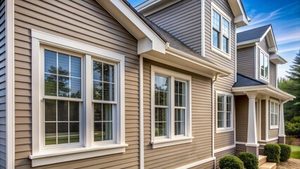
Author: Francis Garcia

Types of Siding

Siding adds beauty and value to a home while protecting it from harsh weather conditions, locking in heat or cold, and warding off pests. But there are many different types of siding, which can be daunting for a homeowner. Read on Top Notch Roofing/Siding for more information.Siding

Fiber cement siding, also known as Hardie board or HardiePlank, is one of the most popular home siding types. It combines cement, wood fiber and other additives that make it more challenging than most traditional siding materials. While it can be more expensive upfront, its longevity and durability make it an excellent investment. It is also highly resistant to fire, moisture, insect damage, and rot. It is also impact-resistant and can withstand harsh weather conditions, including hail and high winds.

A number of companies manufacture fiber cement siding, but James Hardie Industries is the most well-known and popular manufacturer of the product. The company’s siding is available in a variety of textures and surface designs, and it comes pre-primed with a range of colors. It can also be painted if the homeowner wants to customize the color.

Unlike natural wood, which is harvested from trees, the wood used in fiber cement siding comes from recycled sources or reclaimed wood. It also has forest-saving properties, which reduces the amount of fresh wood that is needed to build homes. The reclaimed wood is blended with Portland cement and silica, which makes the material more durable than traditional vinyl or aluminum siding.

Its versatility means that homeowners can choose from a wide selection of styles, from the classic look of stucco to the look of wood clapboards or cedar shingles. It can even be made to resemble brick or stacked fieldstone, and it is available in different thicknesses. In addition, it can be molded into different shapes and sizes and can be installed in both vertical and horizontal configurations.

Because of its strength, durability and resistance to rot, mold and insects, fiber cement siding can last up to 50 years when properly maintained. Regular washing with a garden hose and the application of caulks and sealants can keep the material looking good.

Homeowners with a strong working knowledge of construction practices can install fiber cement siding themselves, but it’s typically best to hire a professional. This is because the product is heavier than other types of siding and requires special tools for cutting. Also, mistakes can have a significant impact on the performance capability of the siding, so precision and attention to detail are key.

Vinyl

Vinyl siding is a popular cladding option for homeowners looking to enhance the look of their homes without spending a lot of money. It is easy to maintain and can improve energy efficiency. The main component of vinyl siding is polyvinyl chloride (PVC), which has been combined with other chemicals to create a durable, weather-resistant material. The resulting mixture can be extruded into different shapes and sizes to create an array of unique styles.

When it comes to color, manufacturers use pigments and coloring agents to create a variety of shades and tones that mimic natural materials, such as wood or stone. In order to resist fading, UV stabilizers are often incorporated into the formulations of pigments and dyes used in vinyl siding.

Manufacturers can also incorporate textures into their vinyl cladding products. This allows them to achieve a more authentic look that is not only visually appealing, but can also feel like real wood. This gives homeowners a more custom option that they can use to make their home stand out in the neighborhood and give it a truly unique look.

Aside from being durable and low maintenance, vinyl siding can help save homeowners money in the long run because it does not require refinishing or regular painting. Additionally, vinyl siding is an energy-efficient material because it provides insulation for the walls of a house. This can help keep the interior of the home cooler in the summer and warmer in the winter.

Before you choose a color, take the time to review inspirational photos and homes in person to determine what looks best on your own property. It is also important to consider your neighborhood when making a decision because you may not want to be the only house on your street with vinyl.

Another thing to consider is the potential impact that vinyl siding might have on future homebuyers if you plan on selling your home in the future. Although it is inexpensive and offers many benefits, some homeowners believe that it degrades a home’s value and should only be used on newer homes or houses that are being rebuilt or restored to their original state.

Cedar

Cedar siding is a beautiful option that can give your home the rustic charm of log homes or the clean lines of a modern cottage. It is also a great choice for homeowners looking to increase the energy efficiency of their homes, as cedar has double the insulation of other types of wood sidings.

Cedar is a natural, renewable material with high durability and beauty. It resists moisture better than most other woods and has natural oils that repel pests, fungi, and other microbes. As a result, it lasts longer than other types of siding, including fiber cement and vinyl. However, it can be more expensive than other types of siding, and requires more frequent maintenance to keep it in good condition.

When properly cared for, cedar can be a long-lasting and affordable siding option. Its natural oil helps it resist moisture and rot, making it less likely to need re-painting than other types of wood. It also has a unique resistance to mold and mildew growth, which is a problem for some other types of wood.

A common type of cedar siding is bevel siding, which is milled to have one smooth side and one rough side. It can be left unfinished or stained for a natural, rustic look. It is often a more cost-effective choice than solid clapboards, since the bevel cut allows lumber to be used more efficiently by getting two beveled panels from one clapboard.

Other types of cedar siding include drop channel and tongue and groove. Tongue and grove siding has a small ledge on the grooved side that overlapping boards create. This allows the boards to expand and contract with temperature changes without buckling or separating. This style of siding is more commonly used on sheds and barns.

Drop channel siding has a similar design, but is typically wider and thicker than tongue and grove. It is also more cost-effective than bevel siding, but may be more susceptible to warping and shrinking.

Despite its attractiveness, cedar is a flammable material that can pose a fire risk if not properly treated with fire-retardant chemicals. In addition, it is not as rot-resistant as vinyl or fiber cement, so it may need to be replaced more frequently.

Steel

Steel siding is one of the most durable exterior materials available. It stands up to fire and pest activity, as well as the elements of nature including high temperatures and strong winds. It also resists moisture and fungus, as well as warping or shrinkage from extreme temperature changes.

It is available in a wide variety of colors and textures, making it easy for homeowners to find hues that amplify the aesthetics of their homes. It is also more affordable than other types of cladding. Steel siding is incredibly long-lasting, with a lifespan that exceeds 50 years.

Although it is highly resilient, there are some aspects of steel that can make it less desirable than other options for residential cladding. For example, it does not hold up very well to salty air. It can become rusted and may need to be replaced more frequently than other materials. It is important to be mindful of this risk when selecting steel for a coastal home.

Another drawback of steel is that it does not hold up as well in humid environments, as it can be susceptible to corrosion. In addition, it is not as heat-resistant as some other materials.

Today’s steel siding is manufactured with a combination of metal alloys, such as zinc and chromium. It can be galvanized or stainless steel. Stainless steel is more expensive, but it is up to three times stronger and withstands a lot more pressure than galvanized steel.

Unlike wood, steel does not rot or succumb to insect activity. It is also much lighter in weight, which makes it a more convenient choice for homeowners who are worried about damage from storms or high wind speeds.

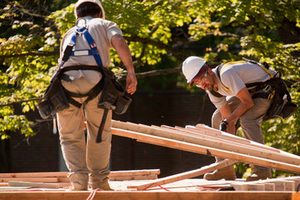
The Importance of Hiring Professional Exterior Painters

Painting a home’s exterior is a big job that can add significant value to your property. Exterior Painters

A quality paint job takes time to prepare the surface, kill mildew and other spores, patch, and caulk. Protecting windows, light fixtures, and shrubbery from overspray is also important.

An exterior paint job takes a beating from the elements. High UV rays, rain, and humidity can all wreak havoc on the protective coating that covers it, so you or your hired commercial painters must take the time to prep the surface for new paint properly. While prepping may be the least glamorous part of painting, it’s probably the most crucial.

A good start is to remove any larger furniture items that will obstruct the surfaces you want painted. You’ll also want to remove any smaller objects, like wall hangings and curtains.

Next, a thorough cleaning is needed to ensure that the fresh coat of paint will adhere. It’s a good idea to use a low-pressure power washer with the appropriate cleaning additives, such as sodium hypochlorite or bleach. These solutions will work better and faster than plain water at killing mold, mildew and moss. If you have a multi-story home, you’ll need to rent or purchase a ladder that can support your weight and safely extend to the height of each area you wish to paint.

If there are any shrubs or flowers near the areas you’re going to be working in, you should cover them with a tarp or other material to prevent damage from paint debris. You can also try to tie them back or relocate them for the duration of the painting project. Similarly, you’ll want to protect any water features, such as koi ponds and waterfalls, so that they don’t get inadvertently covered with fresh coats of paint.

You’ll also want to check the surface for any damage that has occurred to your woodwork or stucco, and fix it as necessary. For example, if a nail pops out of the side of a board, you’ll need to hammer it back in and then nail it again to ensure that a fresh coat of paint will hold securely.

Finally, you’ll need to make sure that all caulk is intact around the edges of your home, to prevent moisture from seeping in and creating a potential future problem. A thorough inspection will reveal any spots where the caulking is loose or peeling.

Selection of Colors

The color selection for a home’s exterior is one of the most important parts of any residential painting project. There are many factors to consider, and a professional opinion can go a long way in ensuring the success of your new color scheme. Start by looking at homes in your neighborhood to find examples of color schemes that work well. You can also ask a local residential painting company about their favorite exterior paint colors. They will likely have experience working on a variety of different types of houses and can provide valuable feedback.

The type of material that makes up your home’s exterior should play a role in the color choices you make. Stone, brick, and other materials that aren’t painted will have undertones that influence how a certain color will look on your house. For this reason, it’s best to choose a paint color that either matches these undertones or works in harmony with them. If you’re unsure of which shade to choose, try testing your options on a small section of the exterior. This will give you a better idea of how the color will look under different lighting conditions and in different weather.

Timeless colors like blue, yellow, or red can be great choices for a traditional home. They are crowd-pleasing and can add a pop of personality without being overpowering. For a more modern or eclectic style, you can experiment with bolder colors and create something truly unique.

When choosing a color for your home, it’s also important to take into account the surrounding neighborhood. While you don’t have to match your home with those of the neighbors, a clash can detract from curb appeal and may even make your house appear less desirable to potential buyers. In this case, it’s best to choose a color that complements, but doesn’t mirror, your neighbors’ homes.

Finally, it’s generally a good idea to stick to three colors or shades for your home’s exterior. More than that can be overwhelming and can cause your home to feel disjointed and unfinished.

Application

Painting a home’s interior or exterior can make the world of difference to its curb appeal. The right color can bring out the details in trim work, cover up a dated look or give a house a real stand-out on the block. It can even increase its resale value. But, it takes special skills and equipment to do a good job. Hiring professional residential exterior painters is the way to go.

In addition to the prep work and sanding, exterior painting involves cleaning and caulking windows and doors as well as masking anything that is not going to be painted. It also requires the use of power washers and scrapers to ensure a clean and smooth surface for the new paint. A great paint job should last for a long time, but it is important that it be done correctly to prevent water damage and other issues.

Exterior painters can help homeowners with the process of choosing the right color, determining how much paint will be needed and what is needed to prepare the surfaces before painting. They can also provide recommendations for stains and sealers to protect the new paint once it is applied.

One of the key things to look for in an exterior painter is whether they use a water-based or oil-based product. Both kinds of paint have their advantages, but they are not interchangeable. They are designed for different purposes and are formulated to resist specific weather conditions. For example, latex and acrylic paints will not hold up in cold, snowy winter weather. Oil-based products are better suited for these conditions.

It is also important to choose a painting company that specializes in both interior and exterior painting. This will ensure that they have the skills and knowledge to tackle both types of projects in a timely and efficient manner. They will also know the right type of paint to use and will be able to recommend a product that is rated for outdoor use. It is also important to choose a company that will guarantee their work and will supply a written estimate and contract before any painting begins. This will protect the homeowner in case something goes wrong during the project.

Maintenance

An exterior paint job is not only about improving the look of your building; it’s also a protective coating that helps to prevent wood rot, weathering, organic growth and insect invasion. However, the paint system deteriorates over time, and maintenance is essential to prolonging its life. It’s recommended to perform touch-up painting after every one or two years.

This will ensure that any areas where the paint has failed are treated promptly. In addition, it will also extend the overall durability of the paint, reducing the frequency at which you will need to repaint the entire surface.

The type of material your home’s exterior is constructed from, its location and the quality of the craftsmanship of the previous painting or staining jobs will determine how long your current surface will last. As a general rule, wood surfaces need to be painted or stained every 3-7 years and metal siding every 5-10. The best way to make sure that your new surface lasts is to work with a professional contractor who will use high-quality materials.

Before you hire someone to perform your project, request detailed bids from several contractors. Ask each to provide the names and phone numbers of satisfied customers who they have worked for, and if possible, visit these homes to see their work. This will help you avoid hiring an inexperienced painter or paying too much for a low-quality job.

Once you have selected a contractor, be clear about what you are hoping to achieve. The contractor will offer varying opinions and suggestions – after all, they are experts – but you have the final say on color, finish types and more. Don’t be afraid to speak up if you feel a push toward a choice that is not in line with your vision.

A good painter will not only price your project based on the amount of square footage, number of coats and other factors, they will also provide a quote for any necessary repairs. They will not overcharge for paint or other products, and they will be honest about the amount of gallons you will need to cover your project. It is important to note that each gallon of paint covers 300 to 400 square feet, so be careful not to overbuy.

How Roofing Maintenance Can Keep Your Home in Top Condition

Roofing Columbus GA is an essential part of keeping your home in top condition. It can help prevent major problems like sagging roofs and water leaks.Roofing

Check for shingles that are loose or damaged, as well as caulking around vent pipes and chimneys. Look for moss or mildew growth as well.

Gutters are essential for keeping water off your roof and away from the foundation of your home. However, they need a bit of maintenance to function properly. Gutters can become clogged with leaves, twigs, and other debris, which means water isn’t draining correctly. This can cause damage to your roof, siding, and foundation. Cleaning your gutters is an easy way to keep them working properly and protect your home from water damage.

Gutter cleaning can be done from a ladder or by using a telescopic water pole attached to a hose. If you decide to clean your gutters from a ladder, make sure you use the proper safety precautions. Use a ladder stabilizer to ensure it is secure, and have a friend hold the ladder when you are on it. Also, wear trustworthy work boots and eye protection when cleaning the gutters to prevent falling debris from hitting you in the face.

After you remove the debris from your gutters, take a look to see if there is any moss, lichen, or algae growth that needs to be removed. If there is, a hose and a sprayer with a high-powered nozzle can remove it quite easily. You should then scrub the gutters to ensure they are clean and inspect them for any leaks or cracks that need to be repaired.

Cleaning your gutters on a regular basis can help reduce the chances of ice dams forming. These are caused when melting snow or ice gets into your gutters and causes them to clog. When this happens, it prevents water from draining, which can lead to the thawing of the ice and snow underneath your roof shingles and damage your home.

Keeping your gutters free of debris can also prevent tree branches from scraping the roof, which can cause additional wear and tear on the shingles. Make sure to trim any low-hanging branches that are within a few feet of the gutters and roof, especially during stormy weather. Keeping your gutters and tree branches trimmed regularly can also save you money on costly repairs in the future.

Trim tree branches

The branches of trees around your roof should be trimmed regularly to prevent damage and debris from falling on the roof. This will also help to keep leaves from piling up on the shingles and absorbing moisture, which can lead to roof rot. Inspect your tree branches to see if they are overhanging the roof, and make sure to trim them before stormy weather hits. If you have large trees that are close to the house, consider hiring a professional tree service to come twice a year to trim the branches so they are not rubbing against or hanging over your roof.

When trimming, make sure to remove any branches that are growing toward the center of the tree or growing outward from the crown. These branches are more susceptible to wind damage and will not help support the structure of the tree. You should also thin the tree by removing no more than one-fourth of the living crown at any given time. This will help the remaining dominant branch become stronger and will also reduce the amount of wind block.

Avoid leaving stubs of removed branches, as they are difficult to seal, creating a point of entry for insects and moisture. This will compromise the tree’s natural defenses and allow fungus to enter. Instead, I saw a cut on the underside of the branch about a foot away from where it meets the trunk. Next, I saw another cut through the top side of the branch, slightly farther down from the first underside cut. Finally, I sawed off the stub.

Some species of trees, such as elms, hornbeams, serviceberries, hickories, and Osage oranges, naturally form narrow, V-shaped junctures. These are inherently weak, especially with wind or ice damage, and require corrective pruning to strengthen the overall structure of the tree.

Never use wound paint to seal pruned wounds on a tree, as this can interfere with the natural healing process of the wood. A well-healed pruning scar is perfectly normal and helps protect the tree from decaying organisms. Using wound paint will prevent this process from taking place, which can leave the tree vulnerable to diseases and insect infestations.

Inspect the flashing

Flashing is essentially what connects your roof to the sides of your house and around windows, dormers, chimneys, and other openings. It’s made of water-proof materials like aluminum, copper, and galvanized steel and helps to divert rainwater, snow melt, and other moisture away from your home. It’s also a major part of your roof’s structure and needs to be in good condition so that leaks don’t occur.

Unfortunately, most people never check their flashers. It’s important to do so because if the flashing is damaged, it can lead to leaks and other problems. Fortunately, this is something that can be addressed pretty easily. First, a homeowner should make sure that their gutters are clear and free of debris that could cause blockages. They should also make sure that downspouts are firmly attached and are carrying the water away from their homes.

Next, a home inspector should get up on the ladder and take a look at the flashing. Trying to determine its condition from the ground is not going to be very accurate and is not recommended. They should be looking for any caulking that is cracked, pitted, or missing. It is also a good idea to do some general cleaning of the flashing, especially if it has been exposed to sunlight for long periods of time. Aluminum tends to oxidize over time and can lose its protective properties. If the oxidation is severe, it’s a good idea to replace the flashing section.

Finally, home inspectors should check the integrity of the flashing around any chimneys or other penetrations in the roof. They should also pull on any cables or conductor poles and verify that they are securely fastened with little to no slack. They should also inspect the flashing around roof-mounted equipment curbs for signs of rot or looseness that can lead to the failure of the equipment and allow water intrusion.

Although this isn’t a difficult job, and most professional inspectors do it, it’s a good idea for homeowners to learn how to inspect their own flashing in order to keep it in good condition and prevent any potential leaks. A small leak can be very costly and is one of the most common reasons for a roofing repair.

Inspect the shingles

The shingles on your roof are your first line of defense against the elements. They are subject to direct sunlight, wind, acid rain, and ice, which can cause damage even if the underlying materials are still in good condition. Inspecting your shingle roof regularly from the ground or through a window will help you keep it in great shape.

During your inspection, look for:

Loose or missing shingles should be replaced immediately. Any shingles that show signs of heavy wear or degradation (bald spots, granule loss, or severe curling) should be replaced as well. Cracked and loose shingles can allow water to penetrate the roof, leading to rot or mold inside the home.

Examine the eaves troughs for signs of water penetration, and check the caulking around the flashing and vent pipes for any areas that may need to be resealed. Also examine the rubber boots that seal the plumbing vent pipes to your roof for any cracks or deterioration.

A good shingle roof should last 17 years, but it’s important to inspect the material to see how it is holding up. Look for piles of colored grit from asphalt shingles in the gutters; this is a sign that the shingle’s life is about to end.

During your inspection, look for any cracks or holes in the shingle tiles as well as the edges of the shingles. If you find any cracked or damaged tiles, it is best to call a professional for repairs.

It’s not always possible to get on a ladder or step onto the roof and visually inspect it, but if you can, this will be helpful. If you are not comfortable doing this, it’s okay to use a binocular to see the roof from your yard or a neighbor’s house across the street.

Make sure you are clear of debris and leaves that could accumulate and retain moisture on the roof. Also, look for any branches that are hanging close to or over the roof and need to be trimmed. Branches that hang over the roof collect a lot of moisture and can eventually start to rot the tiles, leading to leaks and other problems.

Navigation