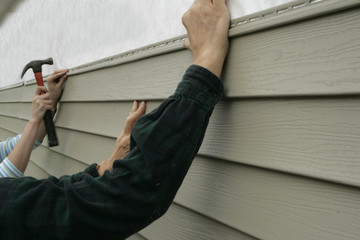

Vinyl Siding Cleaner: The Secret to Preserving Your Home’s Beauty and Longevity

Vinyl siding has become one of the most popular choices for homeowners seeking a balance of durability, aesthetic appeal, and low maintenance. Its smooth surface, vibrant colors, and resistance to weathering make it an ideal exterior for properties in diverse climates. However, even with its reputation for resilience, vinyl siding requires proper care to maintain its appearance and performance. Dirt, mold, mildew, and environmental pollutants accumulate over time, dulling the siding’s natural look and potentially causing long-term issues if neglected. This is where the role of a high-quality Vinyl Siding Cleaner becomes essential.

pressure washing

Unlike casual cleaning methods, specialized vinyl siding cleaners are designed to restore the surface’s color, remove stubborn contaminants, and protect the material from damage. They do more than improve visual appeal—they extend the life of the siding and reduce costly repairs or replacements over time. Homeowners who overlook regular siding cleaning often notice faded colors, streaking, and organic growth that compromise both aesthetics and structural protection.

Why Vinyl Siding Cleaning is More Than Cosmetic

While a freshly cleaned exterior undeniably enhances curb appeal, the benefits of vinyl siding cleaning extend far beyond aesthetics. Vinyl siding is designed to shield a home from weather elements, moisture, and temperature fluctuations. When dirt, mold, or algae buildup accumulates, it can trap moisture against the siding, leading to potential warping, staining, or deterioration over time.

Additionally, organic growth such as mildew or algae not only looks unsightly but can also damage the protective finish of the siding if left untreated. Regular cleaning interrupts this cycle, preventing small issues from turning into major repairs. In essence, investing in vinyl siding cleaner is an investment in both the appearance and longevity of the property.

Choosing the Right Vinyl Siding Cleaner

Not all cleaning products are created equal. Choosing an appropriate vinyl siding cleaner is essential for protecting the material while effectively removing contaminants. Many household detergents or pressure washing solutions are too harsh for vinyl surfaces, potentially causing fading, discoloration, or surface damage.

When selecting a cleaner, homeowners should look for the following characteristics:

  1. Safe for Vinyl Surfaces – The cleaner should be formulated specifically for vinyl, ensuring it removes grime without stripping protective coatings or fading colors.
  2. Mold and Mildew Resistant – Many products include agents that prevent the immediate regrowth of algae or mildew, extending the time between cleanings.
  3. Eco-Friendly Composition – Biodegradable and plant-safe ingredients protect landscaping, soil, and surrounding vegetation during application.
  4. Ease of Application – Products that can be applied with a sprayer, brush, or soft cloth simplify the process and allow for even coverage.

A thoughtful selection ensures the siding is cleaned safely, efficiently, and with long-lasting results.

Techniques for Effective Vinyl Siding Cleaning

Using the right product is only part of the equation; proper application techniques determine the final outcome. Many homeowners make the mistake of using too much pressure or abrasive tools, which can scratch or dent the siding. The goal is to remove dirt and organic growth gently without damaging the surface.

Step 1: Pre-Rinse – Begin by rinsing the siding with water to loosen surface dust and debris. This step reduces the risk of scratches during the cleaning process.

Step 2: Apply Cleaner – Use a vinyl siding cleaner according to the manufacturer’s instructions. A low-pressure sprayer or soft brush allows for controlled application and ensures the solution reaches all areas, including corners and edges.

Step 3: Allow Dwell Time – Let the cleaner sit on the surface for several minutes. This allows chemical agents to break down stubborn grime, mold, or mildew, making removal easier during rinsing.

Step 4: Rinse Thoroughly – Rinse from top to bottom to prevent streaking. Ensure that all residues are removed, as leftover solution can lead to discoloration or attract dirt more quickly.

Step 5: Inspect and Touch-Up – After rinsing, inspect the siding for missed areas, stains, or buildup. Repeat the cleaning process on stubborn spots if necessary.

Proper technique ensures the siding maintains its original vibrancy while preventing damage from excessive pressure or harsh chemicals.

Common Mistakes to Avoid

Even with the best products, improper application can reduce effectiveness or harm the siding. Homeowners should avoid the following common mistakes:

  1. Using High-Pressure Water – Excessive pressure can dent siding, strip paint, or force water behind panels, creating moisture issues.
  2. Neglecting Shaded Areas – Mold and algae often grow in less visible, shaded sections. These spots require the same attention as sun-exposed areas.
  3. Skipping Regular Maintenance – Cleaning only when siding appears dirty allows buildup to harden, making stains more difficult to remove.
  4. Using Harsh Household Chemicals – Bleach or abrasive cleaners may discolor or degrade the siding. Stick to products specifically formulated for vinyl surfaces.

Avoiding these errors ensures a safer and more effective cleaning experience.

Benefits of Regular Vinyl Siding Cleaning

Maintaining a regular cleaning schedule delivers both immediate and long-term advantages. Some of the key benefits include:

  1. Restored Curb Appeal – Clean siding instantly brightens the exterior, making a property look well-maintained and inviting.
  2. Prevention of Damage – Removing mold, mildew, and algae prevents the accumulation of moisture that can lead to warping, staining, or degradation.
  3. Reduced Maintenance Costs – Regular cleaning prevents the need for costly repairs or premature replacement due to neglect.
  4. Enhanced Property Value – A clean, well-maintained exterior increases the overall value and marketability of the home.

By keeping vinyl siding clean, homeowners protect their investment while enjoying a visually appealing exterior year-round.

Seasonal Considerations

Timing plays a crucial role in maximizing the benefits of vinyl siding cleaning. Each season presents different challenges:

  • Spring: Focus on removing winter grime, salt residue, and pollen buildup.
  • Summer: Address dust, bird droppings, and mold that may form in humid areas.
  • Fall: Clean off leaves, twigs, and organic debris that could promote mildew.
  • Winter: In mild climates, address dirt, debris, and residue from road salt or ice-melt products.

Adapting cleaning frequency and techniques to seasonal conditions ensures optimal protection and appearance.

DIY vs. Professional Cleaning

Many homeowners successfully clean vinyl siding themselves using the correct products and techniques. DIY cleaning is ideal for smaller homes or properties with easy access to all surfaces. However, professional services offer advantages that go beyond cleaning:

  • Experience and Expertise – Professionals know the correct pressure, detergent, and method for each surface.
  • Safety – Avoid climbing hazards, especially for multi-story properties.
  • Efficiency – Large or complex properties are cleaned more quickly and thoroughly.
  • Inspection for Damage – Professionals can identify small cracks, loose panels, or other issues during cleaning.

Even for DIY enthusiasts, understanding professional standards can help homeowners replicate safe and effective results at home.

Enhancing Longevity with Proper Maintenance

Regular cleaning of vinyl siding is more than a cosmetic task; it is a preventative strategy. By addressing contaminants promptly, homeowners reduce the risk of long-term damage, preserve color vibrancy, and ensure the siding performs as intended against environmental elements. When combined with routine inspections and minor repairs, vinyl siding cleaner contributes significantly to the overall durability and life expectancy of the home’s exterior.

Conclusion

Vinyl siding cleaner is a critical tool for maintaining a home’s exterior. Beyond improving curb appeal, it protects the material from mold, mildew, dirt buildup, and environmental damage. Proper selection of cleaning products, application techniques, and seasonal scheduling ensures that siding remains vibrant, functional, and long-lasting.

Avoiding common mistakes, such as overusing high-pressure water or neglecting shaded areas, enhances results while preventing damage. Whether homeowners choose to clean siding themselves or enlist professional help, consistent maintenance maximizes both aesthetic and structural benefits.

Ultimately, investing in vinyl siding cleaner is an investment in the home itself. Clean siding protects the property from potential damage, reduces maintenance costs, and enhances overall property value. A well-maintained exterior signals care and attention, supporting both pride of ownership and the long-term durability of the home. Regular cleaning transforms a simple maintenance task into a strategic approach for preserving beauty, function, and investment.

Walk-In Shower Vs Bathtub – Which Is Right For Your Home?

remodeling

Choosing between a bathtub or walk-in shower depends on your bathroom size and personal preference. Here are some things to consider:

Bathtubs have a classic appeal that can enhance the look of any bathroom and may boost your home’s resale value. Walk-in showers provide a modern solution that is ideal for smaller bathrooms. They eliminate hazardous curbs or tub edges and can be equipped with accessibility features like grab bars.

Bathtubs

Bathtubs are an integral part of many bathroom designs, offering comfort and relaxation for bathers. They are available in a wide range of shapes and sizes, and can be customized to fit specific bathroom layouts and personal preferences. They are also an excellent choice for those who enjoy soaking in warm water, as they can help relieve muscle aches and joint pain.

Tubs are also great for future-proofing homes, as they provide easy accessibility for older adults or individuals with mobility issues. Stepping over the bathtub ledge or lowering oneself to enter and exit the tub can be difficult for those with limited mobility, and may lead to accidents that could cause injuries. A bathtub with a low threshold or curb and built-in safety features like handrails, non-slip flooring, and integrated grab bars can make it safer for everyone to enjoy a soak.

While bathtubs come with their own set of advantages, they can be challenging to keep clean and free from mold, mildew, and other bacteria. They are often deeper than showers, resulting in longer fill and drain times and requiring more frequent upkeep to maintain the water temperature. Additionally, bathtubs can be more expensive than walk-in showers, both in terms of the initial investment and installation costs.

In comparison, walk-in showers have a number of benefits that make them an excellent choice for homeowners looking to upgrade their bathrooms. These include:

A Modern Aesthetic: Walk-in showers are available in a wide variety of materials and finishes, making them versatile enough to suit almost any style. They are also typically easier to clean than bathtubs, as they lack the nooks and crannies that can trap dirt and debris.

Retain Resale Value: As an added bonus, replacing a bathtub with a well-designed walk-in shower can increase your home’s resale value. This is because buyers who prefer to take showers may be turned off by a home that only has a bathtub.

With these pros and cons in mind, it’s important for homeowners to choose the renovation that best fits their lifestyle and budget. Whether you decide on a bathtub or a walk-in shower, be sure to work with a professional to ensure that your remodel is both functional and visually appealing. With careful planning, you can achieve the bathroom of your dreams!

Walk-In Showers

Designed to maximize space and create a spa-like atmosphere, walk-in showers are increasingly popular with homeowners. This modern upgrade elevates your bathroom while offering a strong return on investment and increasing home value.

But like tubs, walk-in showers have their own unique set of pros and cons that you should consider before deciding which option is right for your home.

Design Freedom

Because they aren’t constrained by a bathtub, walk-in showers can be smaller or larger in size and come in a wide array of designs, materials, and finishes to match your bathroom decor. This flexibility makes them ideal for both small and large bathrooms.

Walk-in showers also allow you to optimize your space by leaving out the bathing area, a popular feature for small bathrooms that can make them feel more open. Additionally, many newer walk-in showers have a low curb or ledge to subtly demarcate the bathroom from the rest of the room. These features are also important for safety, as they help to contain water within the shower and prevent splashing out of the enclosure.

Another key benefit of walk-in showers is that they are easier to keep clean than bathtubs. There are no crevices for mold or mildew to hide, and you can simply wipe them down with a non-toxic cleaner. Additionally, because walk-in showers are not surrounded by a bathtub, they can be more water-efficient than tubs.

Increased Accessibility

For those with mobility issues, a walk-in shower can offer an excellent solution for eliminating the risk of falling over a bathtub edge. With barrier-free entry, built-in seating, grab bars, and handheld shower wands, they are an excellent choice for seniors and people with limited mobility.

If you choose to install a walk-in shower, it’s important to consider how it will impact your home’s resale value. As a stand-alone feature, it may not appeal to everyone, especially younger buyers who might prefer a bathtub. However, if you opt for a doorless shower that has a minimal tile look, it could be a great fit for today’s most desirable bathroom designs.

In the end, it all comes down to your personal preference and what works best for your family’s needs. Regardless of which upgrade you choose, we recommend starting with the shower as it sets the tone and style for the entire space. Taking this approach will ensure that the rest of your remodel, including flooring, vanities, and lighting, aligns both functionally and visually. We can help you find the perfect options for your bathroom and turn it into a beautiful, functional retreat. Contact us today to get started!

Winning The War On Pests – Tailored Solutions For Every Home

pest control

Since the first pea farmer squished a cutworm from his seedlings, growers have been fighting to keep pests away.

Pests are more than just insects that eat plants: they can also spread diseases and interfere with plant growth. Apex Pest Solutions targets rats, flies, mosquitoes, and sparrows for elimination. 

pest controlPest Identification

Pest identification is the first step in developing an effective pest control strategy. Pests may look different depending on their age and stage in the life cycle. An immature beetle might look like a caterpillar or worm. Different species of plants also have similar structures that can be difficult to distinguish from one another. Correctly identifying pests allows you to tailor your management tactics to target the specific physical forms that are most vulnerable.

Pests that cause damage to crops or other property are known as economic pests. These pests are controlled when their numbers reach a point where the damage they cause becomes significant or when the loss is expected to exceed an economic threshold. Other pests may interfere with human activities by causing nuisance or annoyance and do not require control at the current time. Regulatory pests are those that pose serious threats to the health and safety of crops and livestock. Typically, these pests are regulated by federal and state agencies using quarantine, eradication, or other methods to contain or eliminate them.

In addition to determining the type of pest, careful observation should be used to determine the cause of the pest problem. Many times non-living things (such as weather extremes, air pollutants, or excessive fertilization) can cause plant damage that is mistaken for pest damage. Other causes of damage can include disease, parasites, or weeds.

A flashlight is a very useful tool in pest scouting, as pests often live or seek shelter in dark, secluded areas. An extendable mirror can help you get a good look at hard-to-reach areas behind and underneath equipment or furniture. A magnifying glass is also helpful in examining plant parts and frass (excrement) for evidence of pest activity.

Integrated Pest Management (IPM)

IPM is a method of pest control that reduces chemical usage and maximizes sustainability. It focuses on preventative methods such as sanitation, habitat modification, and monitoring, while also using pesticides sparingly when necessary. IPM is widely used in agricultural settings but is becoming increasingly popular among homeowners as well. It can be a more effective method of pest control than traditional methods and is less costly. It can also reduce the risk of environmental contamination and minimize the exposure of children and staff to pesticides.

In an IPM plan, non-chemical controls are tried first to reduce the population of the pests and the damage they cause. This may include adjusting the planting schedule, mulching, and other cultural practices. It could also include trapping or removing the pests themselves, or the deliberate release of predators and parasitoids. When these measures prove ineffective, more aggressive pest control methods can be employed, such as targeted or broadcast spraying of chemical controls.

The goal of IPM is to suppress pest populations below the level that causes economic injury. Monitoring, identification, and action thresholds guide the decision to use each control measure. This reduces the likelihood that pesticides will be applied when they are not needed, or that the wrong type of pesticide will be used.

As IPM becomes more common, many pest control manufacturers have developed products that are safer and more effective than traditional chemicals. This is not only good for the environment, but also for human health and the bottom line. Pest management professionals must be knowledgeable of the different options and be able to advise clients on which approach is best for their situation.

Pesticides

Pesticides are substances or mixtures used to kill, repel, control, or prevent pests (insects, rodents, weeds, mildew, and microorganisms) in crops, gardens, homes, and lawns. They are found in spray cans and crop dusters, in household cleaners and hand soaps, and swimming pools. There are more than 1000 different pesticides used worldwide. Some are toxic to people. Insecticides are the most acutely toxic to humans, while herbicides and fungicides present a greater chronic risk. They all work by disrupting the enzyme cholinesterase, which regulates the neurotransmitter acetylcholine in nerve cells, causing paralysis. Others are more persistent, like organochlorines, and cause a variety of health problems including cancer, Parkinson’s disease, infertility, and endocrine disruption.

Pesticide use can also harm the environment by contaminating water and soil. It is important to minimize the amount of pesticides used, and always read and follow label instructions. It is also a good idea to try non-chemical methods first.

The objectives of pest control are prevention – keeping the pests from becoming a problem, suppression – reducing the numbers to an acceptable level, and eradication – killing the entire population. The cheapest and most effective way to manage a pest problem is through prevention.

Mechanical controls include traps and snares. Examples in the home include mouse traps and flea control for pets. Cultural and physical controls remove things that attract pests – for example, removing plants they need to thrive, or plowing and tillage to control weeds. Biological controls are natural enemies of the pests – for example, lady beetles and lacewings that prey on garden weeds, or wasps and flies that control rodents. Chemical controls are poisonous to the pests and include sprays and baits.

Baits

Baits are attractive food products that contain insecticide-active ingredients and are placed in places where pests congregate. The pests take the bait ingest it, and subsequently die. Baits are used to control rodents (rats and mice) and ants, cockroaches, and termites. The products against cockroaches and ants are often gel-like, while those against rats and mice are primarily grains to which the active ingredient has been added. It is important to use baits with care and in conjunction with other management practices; failure to do so can result in resistance to the product.

Rodent baits are a useful tool to reduce activity around the home, but they should not be the sole method of control. It is vital to address other potential entry points, such as roof intersections, soffit vents in disrepair, crawl space vents that are torn or missing, or A/C chases that are open. In addition, a rodent infestation may need to be trapped before it can be effectively managed with baits.

When using rodent bait, it is crucial to protect the receptacles from other animals and pets (including squirrels). This can be done by sealing the container or placing it inside a bait station. In addition, it is necessary to use baits with caution in areas that have high weed or grass coverage. These areas can provide a hiding place for rodents and lead them into your home.

Insect baits are a great option for controlling termites in residential structures. They can be a stand-alone treatment or they can be supplemented with liquid barrier treatments, such as Trelona Advance. Unlike the liquid barriers, which are applied under and around the structure, termite baits are designed to be inserted into the ground beneath and around the building.

Prevention

The most efficient way to deal with pests is to keep them from invading in the first place. Preventative control methods primarily involve keeping the pests away from a property through careful monitoring and routine actions. These include keeping entry points sealed, removing trash regularly, and eliminating clutter where pests may hide.

Pests usually thrive in conditions that favor their growth, reproduction, or survival. Often, the conditions needed can be predicted with enough knowledge. For example, soil-borne fungus diseases that affect crop plants typically require specific environmental conditions for development. Knowing these conditions allows them to be prevented by adjusting the environment or changing the planting schedule. This prevents the diseases from invading desirable crops and reducing their yields. Early releases of beneficials can also prevent the onset of plant diseases, such as fungus gnats and thrips. The predatory mites Stratiolaelaps and Amblyseious fallacies can help control these pests in the larval stage, preventing them from damaging the plant.

Other factors can be controlled to limit the number of pests, such as temperature and moisture levels. Monitoring helps identify the amount of damage being caused and when to start controlling the pests. Pest numbers should be reduced to a level that is acceptable before starting a control program.

A pest infestation that is allowed to develop will be much harder and more costly to eliminate than one that is stopped early in its tracks. In addition, if an infestation is allowed to continue, it will be more difficult to eradicate the pests once they have matured and spread into new areas. Prevention is the most economical and environmentally responsible form of pest control. It allows technicians to focus on treating only those pests that need to be dealt with rather than tackling large numbers of pests that have already developed into more troublesome and destructive populations.

What Is a Roof Rat Removal Service and Why Is It Important for Your Home?

Roof Rat Removal

Hearing scratching noises above your ceiling at night or noticing chewed wires and droppings can be alarming. Roof rats are skilled climbers that often enter homes through roofs, attics, and elevated openings. Once inside, they can cause serious damage and create health risks. Roof Rat Removal Service Texas is designed to safely eliminate these pests and protect your home from future infestations.

Understanding how these services work can help you take quick action and prevent long term problems.

What Is a Roof Rat Removal Service

A roof rat removal service focuses on identifying, removing, and preventing roof rat infestations in residential or commercial properties. These professionals are trained to handle rodents safely and effectively.

The service goes beyond simple removal. It includes locating entry points, eliminating the entire population, and implementing preventive measures.

Roof rats are known to live in attics, roofs, and high areas, which makes professional expertise essential for proper removal.

Signs You Have a Roof Rat Problem

Roof rats often remain hidden, but they leave behind clear signs. One of the most common indicators is scratching or scurrying sounds in the attic, especially at night.

You may also notice droppings, gnaw marks on wood or wires, and damage to insulation.

Other signs include greasy rub marks along walls, unpleasant odors, and nests made from shredded materials.

Recognizing these signs early can help prevent a larger infestation.

Risks of Roof Rat Infestation

Roof rats can cause serious problems if left untreated. They are known to carry and spread diseases such as salmonella, hantavirus, and leptospirosis.

They also damage property by chewing through electrical wires, insulation, and structural materials, which can even create fire hazards.

In addition, they contaminate food and surfaces with droppings and urine, creating unsanitary conditions.

These risks make professional removal essential for safety.

The Roof Rat Removal Process

The removal process begins with a detailed inspection. Professionals check the property for signs of activity, nesting areas, and entry points.

Once identified, traps or other control methods are used to remove the rats. Trapping is one of the most effective approaches for eliminating active infestations.

After removal, entry points are sealed to prevent rats from returning. This step is critical because rats can reenter through very small openings.

Cleaning and sanitation follow, removing contaminated materials and restoring affected areas.

The final stage involves prevention, including recommendations to reduce the risk of future infestations.

Why Professional Removal Is Important

Roof rats are difficult to eliminate without proper tools and knowledge. They are cautious animals that can avoid traps and adapt quickly.

Professional services use targeted methods that address the entire infestation, not just visible rats.

They also ensure that all entry points are sealed and that the environment is no longer attractive to rodents.

This comprehensive approach provides long term results.

Preventing Future Roof Rat Problems

Prevention plays a key role in keeping your home rat free. Sealing gaps and repairing roof damage helps block entry points.

Trimming tree branches away from the roof reduces access for climbing rats.

Proper food storage and waste management also reduce attraction. Keeping your property clean and well maintained makes it less appealing to rodents.

Regular inspections can help detect early signs of activity before the problem grows.

When to Call a Roof Rat Removal Service

If you hear persistent noises, see droppings, or notice damage in your attic or roof, it is time to act. Waiting too long can allow the infestation to grow and increase repair costs.

Professional help is especially important if the infestation is large or if health risks are a concern.

Early intervention can save time, money, and stress.

Cost of Roof Rat Removal Services

The cost of roof rat removal varies depending on the size of the infestation, the location of the rats, and the level of damage.

Simple cases may require basic trapping and sealing, while larger infestations may involve extensive removal, repairs, and cleanup.

Ongoing monitoring or maintenance services may also be recommended for long term prevention.

Understanding these factors helps you plan for the service.

Final Thoughts

Roof rat removal services provide a safe and effective way to deal with one of the most damaging household pests. From inspection and removal to cleanup and prevention, each step is designed to protect your home and health.

By recognizing the signs early and taking action quickly, you can avoid serious damage and costly repairs. Professional services ensure that the problem is handled thoroughly and that your home remains secure.

In the end, roof rat removal is not just about getting rid of pests. It is about restoring safety, maintaining your property, and preventing future infestations before they begin.

Glass Shower Doors

Frameless Glass Shower Doors can enhance your bathroom’s appearance, improve the resale value of your home, and make cleaning easier. Learn about the various design and functionality options available to suit your style.

Clear glass allows light to flow into the room, making it feel bright and spacious. It also eliminates visual barriers, creating the illusion that your bathroom extends beyond its physical boundaries.

Sliding Shower Door 54 x 72 Shower Door 14 Clear Glass Semi-Frameless  Shower Enclosure Stainless Steel Hardware Black Finish Bypass Glass Door

Clear Glass

The transparent nature of glass shower doors lets natural light enter the bathroom and creates an open feel. They also make the room appear larger, especially if they’re frameless.

This style of door is trendy right now and won’t go out of style anytime soon. It can easily match your current bathroom design and blend in with any future updates. It is also more affordable than some other options.

One of the main benefits of this style of door is that it’s easier to clean than other types. There are no rails or tracks that can trap dirt, mildew, mold, and soap scum. Plus, it’s easy to remove hard water spots from the surface of the glass with a quick squeegee after each use.

The trackless design of frameless glass shower doors also eliminates the risk of sliding debris or a puddle on the floor. This feature makes it safer for children and elderly adults to get in and out of the shower, as well.

Frameless shower doors are available in different thicknesses, and you can choose a design that matches your bathroom’s style. For example, you can have them made in a matte black finish to match your other hardware, or you can choose a more luxurious, high-end design.

Frosted or patterned glass may hide some of the build-up and fingerprints that can be more noticeable on clear glass. However, if you use a squeegee after each use and regularly do a deep cleaning of your shower, your glass doors will stay spotless and look brand new for years to come. You may need to scrub the surface more often, but it will be less time consuming and labor intensive than maintaining a curtain.

Natural Light

Glass shower doors, paired with a window in the bathroom, allow natural light to flood the space. This can make smaller bathrooms feel much larger and brighter than a cramped room with a bulky shower curtain. It’s a great way to start your day, waking up in a sun-drenched bathroom with a fresh sense of space and openness.

Another benefit of clear glass is that it is very easy to clean and doesn’t hide dirt, grime or streaks like a traditional shower curtain does. This is a big plus for people who are obsessive about keeping their bathrooms looking their best, but can be a drawback for those who prefer to spend less time cleaning and more on relaxation.

Frosted glass offers an alternative look that can be more visually appealing. There are many textures to choose from, allowing you to create a style that matches your bathroom’s décor. However, textured glass can be harder to keep clean, as it traps soap scum and mildew between the small bumps on the surface of the glass.

Framed glass doors are a classic and timeless design that are suitable for any bathroom. They offer a variety of customization options and are easier to clean than frameless doors, as they do not have the open edges that can trap soap scum and mold. They are also less expensive than frameless doors and come in standard sizes to fit a wide range of shower stalls.

Glass shower doors made with low-e coatings are energy efficient and can save you money on your heating and cooling bills. This is because they reflect heat back into the room in winter and block UV rays that fade furniture, carpeting, and fabrics.

Increased Spaciousness

Bathrooms are one of the smallest rooms in a home, and they can feel cramped with a shower curtain or bulky framed enclosure. Glass doors open up the space and let light in, which can make a small room feel bigger and more spacious. This increased light is a plus for your home’s energy efficiency, and it also helps you see better when brushing your teeth or shaving.

Adding glass doors to your bathroom can also increase the value of your home when it comes time to sell. The added spaciousness and natural light are appealing to potential buyers, as they will give the feeling of a bright and clean space. Having these features in the bathroom will help make the entire house feel fresh and clean, which is a big selling point for any home.

Another benefit of a glass shower door is that it is much easier to keep clean than a traditional shower curtain. Because they don’t have the fabric that collects soap scum and other debris, glass shower doors require much less cleaning. This can save you a lot of time and effort, especially if you have several bathrooms to maintain for a development project.

Glass shower doors are available in a variety of different styles, from frosted to patterned, which adds a personal touch to your bathroom. There are a number of hardware finishes that you can choose from, which can further customize the look of your shower. You can also decide whether you want frameless, framed or semi-frameless glass shower doors. Frameless doors are the most expensive option, but they offer a sleek and modern appearance without the distracting metal frames.

Increased Privacy

Glass shower doors are an excellent addition to any bathroom, as they allow more light to enter and provide a cleaner look. The lack of a bulky metal frame also makes your bathroom appear larger, which is a huge benefit for homeowners with smaller bathrooms or tight spaces.

In addition to increasing the spaciousness of your bathroom, glass shower doors are also easy to keep clean. This is due to the absence of hard-to-reach cracks and corners that are prone to mold and soap scum. Simply wipe down your custom glass doors after each use and you’ll be able to easily avoid these issues. Alternatively, you can use a windshield water repeller to help prevent the build-up of hard water stains and spots on your shower doors.

While clear glass is a popular option for most homeowners, frosted glass offers a great deal of privacy as well. Frosted glass is made opaque through the process of acid-etching or sandblasting, and it allows diffused light to pass through without being visible. Additionally, a frosted glass shower door can be designed to suit any aesthetic, as there are numerous patterns available to choose from.

Another option for increased privacy in your glass shower is smart film or switchable glass. These products are a perfect retrofit solution for existing glass showers and can be installed by a glazier. Switchable glass and film offer the ultimate convenience when it comes to maintaining privacy in your bathroom, as they can be turned on or off as needed.

Ultimately, glass shower doors are not only easy to maintain but they can also drive up the value of your home. This is especially true if you decide to list your property for sale in the future.

Easy Installation

Shower glass can be a beautiful upgrade to your home’s bathroom, increasing the spaciousness of your shower and providing natural light. This is a great way to add a touch of luxury, and it also increases your bathroom’s resale value. However, it’s important to make sure that your glass shower door is properly installed to prevent water leakage and mold growth. This is best left to professionals who have the right tools and equipment to do the job correctly.

The type of glass you choose for your shower doors will also have an impact on your bathroom’s look and feel. For example, frosted glass will obscure the view of people in your shower, making it more private. However, some textured styles like pebble glass have a more decorative effect and do not block the view as much.

Tempered glass is a common option for shower doors because it is incredibly durable. It’s made by heating and rapidly cooling standard glass, which makes it stronger than other types of glass. Additionally, tempered glass is safer to handle because it will not shatter into sharp pieces when broken.

Installing a glass shower door is a fairly straightforward project. All you need is a helping hand, precise measurements and the right tools to get the job done. If you are feeling a little hesitant about DIYing this project, hiring a professional will ensure that your new glass shower doors are properly installed without any future issues. A professional will also be able to help you decide what type of hardware finish would work best with your new shower doors. This will help your bathroom’s style and color scheme stay consistent throughout.

Types of Siding

Siding

Siding adds beauty and value to a home while protecting it from harsh weather conditions, locking in heat or cold, and warding off pests. But there are many different types of siding, which can be daunting for a homeowner. Read on Top Notch Roofing/Siding for more information.Siding

Fiber cement siding, also known as Hardie board or HardiePlank, is one of the most popular home siding types. It combines cement, wood fiber and other additives that make it more challenging than most traditional siding materials. While it can be more expensive upfront, its longevity and durability make it an excellent investment. It is also highly resistant to fire, moisture, insect damage, and rot. It is also impact-resistant and can withstand harsh weather conditions, including hail and high winds.

A number of companies manufacture fiber cement siding, but James Hardie Industries is the most well-known and popular manufacturer of the product. The company’s siding is available in a variety of textures and surface designs, and it comes pre-primed with a range of colors. It can also be painted if the homeowner wants to customize the color.

Unlike natural wood, which is harvested from trees, the wood used in fiber cement siding comes from recycled sources or reclaimed wood. It also has forest-saving properties, which reduces the amount of fresh wood that is needed to build homes. The reclaimed wood is blended with Portland cement and silica, which makes the material more durable than traditional vinyl or aluminum siding.

Its versatility means that homeowners can choose from a wide selection of styles, from the classic look of stucco to the look of wood clapboards or cedar shingles. It can even be made to resemble brick or stacked fieldstone, and it is available in different thicknesses. In addition, it can be molded into different shapes and sizes and can be installed in both vertical and horizontal configurations.

Because of its strength, durability and resistance to rot, mold and insects, fiber cement siding can last up to 50 years when properly maintained. Regular washing with a garden hose and the application of caulks and sealants can keep the material looking good.

Homeowners with a strong working knowledge of construction practices can install fiber cement siding themselves, but it’s typically best to hire a professional. This is because the product is heavier than other types of siding and requires special tools for cutting. Also, mistakes can have a significant impact on the performance capability of the siding, so precision and attention to detail are key.

Vinyl

Vinyl siding is a popular cladding option for homeowners looking to enhance the look of their homes without spending a lot of money. It is easy to maintain and can improve energy efficiency. The main component of vinyl siding is polyvinyl chloride (PVC), which has been combined with other chemicals to create a durable, weather-resistant material. The resulting mixture can be extruded into different shapes and sizes to create an array of unique styles.

When it comes to color, manufacturers use pigments and coloring agents to create a variety of shades and tones that mimic natural materials, such as wood or stone. In order to resist fading, UV stabilizers are often incorporated into the formulations of pigments and dyes used in vinyl siding.

Manufacturers can also incorporate textures into their vinyl cladding products. This allows them to achieve a more authentic look that is not only visually appealing, but can also feel like real wood. This gives homeowners a more custom option that they can use to make their home stand out in the neighborhood and give it a truly unique look.

Aside from being durable and low maintenance, vinyl siding can help save homeowners money in the long run because it does not require refinishing or regular painting. Additionally, vinyl siding is an energy-efficient material because it provides insulation for the walls of a house. This can help keep the interior of the home cooler in the summer and warmer in the winter.

Before you choose a color, take the time to review inspirational photos and homes in person to determine what looks best on your own property. It is also important to consider your neighborhood when making a decision because you may not want to be the only house on your street with vinyl.

Another thing to consider is the potential impact that vinyl siding might have on future homebuyers if you plan on selling your home in the future. Although it is inexpensive and offers many benefits, some homeowners believe that it degrades a home’s value and should only be used on newer homes or houses that are being rebuilt or restored to their original state.

Cedar

Cedar siding is a beautiful option that can give your home the rustic charm of log homes or the clean lines of a modern cottage. It is also a great choice for homeowners looking to increase the energy efficiency of their homes, as cedar has double the insulation of other types of wood sidings.

Cedar is a natural, renewable material with high durability and beauty. It resists moisture better than most other woods and has natural oils that repel pests, fungi, and other microbes. As a result, it lasts longer than other types of siding, including fiber cement and vinyl. However, it can be more expensive than other types of siding, and requires more frequent maintenance to keep it in good condition.

When properly cared for, cedar can be a long-lasting and affordable siding option. Its natural oil helps it resist moisture and rot, making it less likely to need re-painting than other types of wood. It also has a unique resistance to mold and mildew growth, which is a problem for some other types of wood.

A common type of cedar siding is bevel siding, which is milled to have one smooth side and one rough side. It can be left unfinished or stained for a natural, rustic look. It is often a more cost-effective choice than solid clapboards, since the bevel cut allows lumber to be used more efficiently by getting two beveled panels from one clapboard.

Other types of cedar siding include drop channel and tongue and groove. Tongue and grove siding has a small ledge on the grooved side that overlapping boards create. This allows the boards to expand and contract with temperature changes without buckling or separating. This style of siding is more commonly used on sheds and barns.

Drop channel siding has a similar design, but is typically wider and thicker than tongue and grove. It is also more cost-effective than bevel siding, but may be more susceptible to warping and shrinking.

Despite its attractiveness, cedar is a flammable material that can pose a fire risk if not properly treated with fire-retardant chemicals. In addition, it is not as rot-resistant as vinyl or fiber cement, so it may need to be replaced more frequently.

Steel

Steel siding is one of the most durable exterior materials available. It stands up to fire and pest activity, as well as the elements of nature including high temperatures and strong winds. It also resists moisture and fungus, as well as warping or shrinkage from extreme temperature changes.

It is available in a wide variety of colors and textures, making it easy for homeowners to find hues that amplify the aesthetics of their homes. It is also more affordable than other types of cladding. Steel siding is incredibly long-lasting, with a lifespan that exceeds 50 years.

Although it is highly resilient, there are some aspects of steel that can make it less desirable than other options for residential cladding. For example, it does not hold up very well to salty air. It can become rusted and may need to be replaced more frequently than other materials. It is important to be mindful of this risk when selecting steel for a coastal home.

Another drawback of steel is that it does not hold up as well in humid environments, as it can be susceptible to corrosion. In addition, it is not as heat-resistant as some other materials.

Today’s steel siding is manufactured with a combination of metal alloys, such as zinc and chromium. It can be galvanized or stainless steel. Stainless steel is more expensive, but it is up to three times stronger and withstands a lot more pressure than galvanized steel.

Unlike wood, steel does not rot or succumb to insect activity. It is also much lighter in weight, which makes it a more convenient choice for homeowners who are worried about damage from storms or high wind speeds.

Behind the Scenes: Exploring the Vital Role of Plumbers

Plumbers

Plumbers install, repair, and maintain pipes, fixtures, and appliances that facilitate water supply, drainage, and waste disposal in residential and commercial settings. They also interpret blueprints and other plans, inspect plumbing systems for leaks and clogs, and ensure they are installed according to building codes and regulations.Plumbers

Plumbers typically undergo classroom instruction and paid on-the-job training through an apprenticeship. They must also obtain a license to work independently. Contact Clearwater Plumbers for professional help.

A faucet that squeaks isn’t just annoying; it could indicate that there’s internal damage. A professional plumber will be able to inspect and repair the problem quickly, preventing any further water damage and saving you money in the long run.

Depending on the type of faucet, a plumber can usually make the necessary repairs within 30 to 60 minutes. The first step is to locate the parts needed to disassemble the faucet. This information can be found on the label or in the owner’s manual for the faucet. Alternatively, you can visit your local plumbing supply specialist to find the right parts. These specialists cater to professionals and can often help you find the parts you need faster than your average home center.

You can also buy repair kits that contain all the necessary components for your specific type of faucet. These kits are typically cheaper than buying individual parts and will save you the headache of having to figure out exactly what each part does. However, since hundreds of different types of faucets have been made, it’s important to know the type of faucet you have before purchasing a kit. Getting the wrong parts will only lead to more trouble and may even damage the faucet further.

If your faucet is leaking from the handle, the most likely culprit is a worn O-ring. A worn O-ring isn’t just an inconvenience; it can waste thousands of gallons of water per year. It’s a good idea to replace the O-ring while you’re disassembling the faucet to prevent leaks from occurring in the future.

Another common reason for a leaky faucet is a corroded valve seat or loose washer. Both of these issues can be very difficult to diagnose and fix without removing the entire faucet. A professional plumber will be able to assess the situation and recommend a course of action.

If your faucet is spitting or spraying water, it may indicate that there’s internal damage or a blocked aerator filter. While a sputtering faucet can sometimes be fixed by adding a little grease to the stem, you should call a plumber immediately for any other problems. Irregular water flow can cause serious damage to the faucet and other parts of your home, so it’s important to have any issues repaired as soon as possible.

Repairing the Handle

Plumbers install and repair pipes, fixtures, and appliances like sinks, toilets, bathtubs, and showers. They also inspect plumbing systems to ensure they meet building codes and regulations. This job requires attention to detail, excellent customer service skills, and the ability to work with hand tools and power tools. Plumbers often work on large commercial and industrial projects, as well as residential homes.

In new construction, they work from blueprints and architectural plans to lay pipe, set toilets and faucets, and hook up appliances like dishwashers and washing machines. They also fix existing plumbing, repairing leaks, clogs, and other issues. Plumbers often use power tools, soldering equipment, and specialized testing equipment to complete their work.

Plumbing is a physically demanding profession, requiring workers to be strong and fit. It also involves long periods of standing and working in tight spaces, so it is important for plumbers to have good physical stamina and manual dexterity. In addition to these physical requirements, plumbers must be able to think critically and solve problems quickly. They must be able to identify the source of a problem, weigh different solutions, and choose the most effective one.

Many plumbers work as independent contractors, which gives them more control over their schedules and the types of projects they take on. However, some plumbers prefer to work for a company or organization. This can provide stability, benefits, and training opportunities.

Plumbers must be licensed in order to practice their trade. This process includes classroom studies and on-the-job training under the supervision of a certified journeyperson. Applicants must pass an exam and meet state and local requirements to be licensed. Plumbers who specialize in certain areas may need additional certifications.

If your faucet handle is leaking, it’s likely because the “O” ring has stretched out and is no longer sealing properly. You can try lubricating it with penetrating oil to see if that helps. If not, you’ll need to replace it with a new one.

Removing the Spout

Plumbers are skilled tradesmen who use their knowledge of water supply, drainage, and plumbing systems to fix a variety of different problems. They must be able to diagnose and repair issues in homes, commercial buildings, and industrial facilities. They must be familiar with a wide range of tools and equipment, including wrenches, pipe cutters, soldering machines, and power tools. Plumbers also need to be aware of and follow relevant safety protocols when working with hazardous materials or in confined spaces.

The plumbing industry is constantly evolving, and plumbers must keep up with new technologies and techniques to stay competitive. This means that plumbers must be willing to undertake continuing education courses and obtain certifications. In addition, they must be able to interpret building codes and regulations, and they may need to apply for a license to work in certain areas. Plumbers are typically self-employed, but some choose to work for companies that offer plumbing services to customers.

There are a number of benefits and drawbacks to becoming a plumber, including the opportunity for job independence and flexibility. However, this career choice can also be very physically demanding and requires the ability to work with a range of hazardous materials. Furthermore, plumbers often need to travel between jobs and spend time away from home.

If you’re interested in becoming a plumber, start by attending a technical or trade school to gain the necessary skills. From there, find a local apprenticeship program that can help you learn the ins and outs of the plumbing industry. Apprenticeship programs can last between two and five years, and they’re a great way to get hands-on experience in the field.

Once you’ve finished your apprenticeship, you can take the state exam to become a licensed plumber. Once you’re certified, you can begin working on plumbing projects in the residential, commercial, and industrial sectors. You can also choose to specialise in one area of plumbing, such as sanitation, ventilation, or air conditioning.

Removing the Cylinder

A cylinder is an object that is round in shape and has a base of equal radius to its height. Cylinders are commonplace in everyday items like cold drink straws, wells and even in our homes in the form of water pipes. Plumbers are tasked with the job of installing, repairing and maintaining these systems for clean water supply, hot-water production and waste drainage. This involves working with a wide range of tools, materials and building codes. Plumbers must have strong critical thinking skills to weigh options and choose the best solution for each situation.

During the installation of plumbing systems, plumbers work from blueprints and architectural plans to lay out pipe routes and hook up appliances. This requires attention to detail and knowledge of building codes in order to ensure that the finished product is safe and compliant. Plumbers also perform maintenance on existing plumbing systems to identify and repair problems. This can involve removing clogs, fixing leaks and replacing parts.

Many plumbers are self-employed and therefore have greater flexibility in their scheduling and choice of projects. This type of work can be very satisfying as it allows plumbers to have a hands-on approach and build a rapport with their clients. However, it is important for plumbers to be organized and punctual as they often work with tight deadlines.

There are a few essential tools that you will need to replace the cylinder in an office chair:

A rubber mallet or hammer for tapping and lightly striking parts of the chair that need loosening.

An adjustable wrench and a set of large pliers. The pipe wrench or pliers will help grip and turn the cylinder during removal. A lubricating spray may be helpful as well, especially if the cylinder is stuck or has been in place for a long time.

Be sure to protect the floor and surrounding area when working with these tools, as leaking hydraulic fluid can cause serious damage. Once you have the tools, start by turning the chair upside down to access the base and cylinder. Locate the locking clip or mechanism, which can be a screw, horseshoe clip or retaining ring, and remove it. Next, gently tap the cylinder with your rubber mallet to disengage it from the base of the chair.

From Dated to Deluxe: Essential Steps for a Successful Bathroom Renovation

bathroom

Bathroom Remodel Lexington KY takes a significant time commitment from you and your contractor. To ensure a successful project, plan and get the basics in place.

Create a budget and prioritize your wish list into must-haves and nice-to-haves. This will allow you to have an honest discussion with contractors about what can and cannot be done within your budget.

Plumbing

bathroomA bathroom remodel is a significant home improvement project often requiring plumbing work. Most bathroom renovations include moving existing fixtures, replacing piping, and laying new plumbing lines. The first step involves assessing the existing plumbing and planning the layout of the new bathroom. This will determine what kind of fixtures and pipes are needed. It’s important to find a plumber who has experience working on remodeling projects. They can help you create a budget and timeline that will ensure your project is completed within your expected timeframe.

Many older homes have galvanized plumbing pipes that are nearing the end of their lifespan. During a bathroom remodel, it’s a good idea to replace these pipes with new PEX flexible tubing for the water supply and PVC piping for the drain lines. This will make the bathroom more energy efficient and reduce the risk of leaks and water damage.

Another common problem during bathroom renovation is clogged drains. This can be caused by a variety of factors, including the size of the drain opening and the presence of hair and soap scum. Increasing the drain opening and cleaning out a regular basis can help reduce clogs.

Depending on the scope of your bathroom remodel, you may need to obtain permits and building board approvals. This can add a few weeks to the overall timeline. Be sure to clear your schedule and prepare for some disruption in your daily routine. It’s also a good idea to remove or cover any furniture and belongings in the vicinity of the construction zone to prevent damage. It’s important to remember that the inconvenience and mess of a bathroom remodel are temporary, and it will be worth it in the end when you have a beautiful new bathroom.

Electrical

During a remodel, it is possible that the electrical needs of a bathroom will change. A professional electrician will be able to assess the situation and ensure that the new wiring configuration complies with current standards for safe electrical use in bathrooms.

While renovations are typically cosmetic, remodeling can involve substantial changes to a bathroom’s layout, design and functionality. Significant changes such as tearing down walls to increase space, changing the position of fixtures and pipes, absorbing a closet, expanding the bathing area, or converting a bathtub into a shower are all considered remodels. This type of work requires significant construction and can be expensive.

Any remodeling project should start with a clear idea of what you hope to achieve and an understanding of your budget. This will help you communicate with contractors and avoid costly mistakes. Before you hire a contractor, make sure they are licensed by checking with your local municipality’s licensing requirements.

It is also a good idea to move any valuables out of the bathroom before construction begins and cover any furniture that will be in the way. Construction can create dust and debris that could damage items, so removing or covering them ahead of time will prevent unnecessary costs.

When it comes to the electrical, a bathroom remodel should include GFCI outlets and switches within 3 feet of any sink or water source. This will help reduce safety hazards associated with electricity and water by shutting off power in the event of a short circuit or shock. A professional electrician can advise on where the best location for these outlets should be based on your bathroom’s usage patterns and your preferred aesthetic.

Ventilation

A bathroom remodel is a project that includes any improvements that change the layout, add or remove features, or modify fixtures and materials. It can range from repainting the vanity or swapping out a mirror to gutting the entire room and starting from scratch.

Even simple improvements can make the space more user-friendly and safe. For example, older homes often contain electrical outlets that are too close to water sources, which can be a fire hazard. Installing more secure plugs and running wire to relocate outlets away from water sources can prevent accidents.

Another important part of any bathroom remodel is ventilation. Without adequate ventilation, humidity levels rise quickly in the space after a shower or bath, which can cause water residue and mold to build up on surfaces. Opening a window is a quick solution, but it requires a lot of time for the space to cool down, and it can lead to energy waste because so much energy is used heating the room back up.

Installing a new bathroom fan is an easy project for most homeowners to do, as long as the existing vents and electrical connections are intact. However, if the bathroom is in a room with no vents or in a home without a roof (or attic), it can be more involved. A professional HVAC contractor can fabricate a duct run that goes from a ceiling-mounted fan in the wall, down through the floor and between the floor joists, then out through the roof.

A full gut and replace bathroom remodel is one where the existing walls and the room perimeter remain intact, but everything inside is replaced, from a toilet to the shower or bathtub, a vanity sink cabinet, lighting, flooring and so on. This is a more complicated project than a simple renovation and will usually require a permit.

Cabinetry

Cabinetry is a vital part of any bathroom remodel. It allows you to get your products off the counter and out of sight, eliminating visual clutter. Storage can also be a stylish design element that complements your other design choices.

A cabinet design consultant can help you determine the type and size of cabinets that will work best in your space. They’ll take into consideration your budget, layout and design goals to make recommendations based on current trends, remodeling standards and codes, and cabinet line capabilities. They’ll also be able to answer questions about the process of obtaining permits, the timeline of your project and the overall cost.

There are a variety of cabinet options available, from stock and semi-custom to custom cabinets. Cabinets are a big investment, and you’ll want to take your time in the selection process. It’s a good idea to choose one or two samples of cabinetry, so you can see how they look in your space and decide if they fit with your vision for the room.

You’ll also have to decide what extras you’d like to include. Master bathrooms typically need more storage than smaller single vanities or powder rooms, and may benefit from extra features like drawers, hamper pullouts and custom shelving.

Other upgrades can be as simple as a new light fixture or fresh wall art. Or you could give your bathroom a whole new look by changing the tile. Tile isn’t as costly as cabinetry, but it can make a big impact on the style of your bathroom. And don’t forget the lighting — dimmers are a great way to control the mood, while adding recessed fixtures around the mirror or pendants over the tub will add a luxe feel.

Flooring

Your flooring is another important feature to consider during a bathroom remodel. You can choose to install tile, hardwood or another material that suits your style and budget. It’s best to consult with a professional who can walk you through the specific installation process for your desired flooring.

Depending on the type of flooring you select, you may need to hire an installer or install it yourself. A skilled professional can help you avoid common mistakes that could cause problems later on.

If you’re looking to get a more modern look, consider installing laminate floors. These affordable substitutes for natural wood are made from wood byproducts and come in a wide range of designs, colors and thicknesses. Laminate is also more resistant to moisture damage than carpeting or tile.

A more luxurious option is engineered wood flooring. These durable floors can withstand moisture and humidity more effectively than traditional hardwood, and they have the aesthetic appeal of real wood without the maintenance worries.

For a more rugged, industrial look, you can opt for concrete floors. These edgy alternatives to ceramic tiles can be stained and sealed for a custom color and finish. However, concrete is porous and susceptible to water damage. If you decide to go with this material, you’ll need a waterproof barrier installed by a professional.

When selecting a contractor to handle your bathroom remodel, make sure you interview several candidates and ask for proposals and estimates. A reputable contractor should be licensed, carry personal liability and workers’ compensation insurance and provide you with a written contract that details all aspects of the project, including start and completion dates. This contract should also include a detailed breakdown of the costs associated with each item.

Why Residential Plumbers Are a Good Investment

Plumbers

Doylestown PA Plumbers are trained to perform new installations, repairs, and replacements on plumbing fixtures and appliances in homes. They also offer emergency services.Plumbers

When a homeowner has a leaky faucet or toilet, it may initially seem minor. But, over time, these problems can lead to expensive water bills and potential health issues.

Most people think of plumbers as expensive, but they can actually save you money in the long run. By hiring a professional to fix your plumbing issues, you can rest assured that the problem will be fixed correctly and efficiently the first time around. Plus, plumbers can offer you tips and advice on how to keep your plumbing running smoothly and efficiently for a long time.

Even if you’re not experiencing major problems with your plumbing, it’s important to have regular maintenance done. This will help prevent any major issues from arising in the future and save you money on repairs and replacements. Residential plumbers can provide you with maintenance services that include checking for leaks, removing garbage disposal clogs, fixing toilet flushing issues, and more. They also have the tools and equipment to perform many maintenance tasks like cutting openings in walls and floors, installing new faucets, showerheads, and sinks, and replacing water heaters.

Another way that residential plumbers can save you money is by helping you make your home more energy efficient. Outdated appliances and fixtures can use a lot more energy than their modern counterparts, which will lead to higher utility bills. A plumber can install newer, more energy-efficient fixtures that will significantly cut your utility bills. This can be done in a variety of ways, including by switching to low-flow toilets, installing water-saving faucets and showerheads, and converting to a tankless water heater.

Some plumbing jobs are too complex or dangerous for DIY, and you’ll need the help of a professional. This is especially true if you have older pipes or need to replace your water heater. Professional plumbers have the training and tools to get the job done quickly and safely. They can also ensure that the new fixture is sized properly to avoid any issues down the road.

If you have a serious issue with your plumbing, such as a sewer backup, it’s important to call in a professional right away. These types of issues can cause significant damage if not addressed immediately, and they can be extremely costly to repair. Sewer backups are caused when something clogs the lines that carry waste from your house to the sewer system. This can be caused by a number of things, including tree roots, broken pipes, or even just excessive debris in the line. A residential plumber will be able to find the source of the issue and remove it before it causes any more damage.

Saves You Time

Many people try to fix plumbing problems on their own in order to save money. However, if the problem is serious, it can actually end up costing you more in the long run. Hiring a professional plumber is the best way to ensure that the job is done correctly and efficiently. It will also save you time in the long run by avoiding costly repairs and emergencies.

Licensed plumbers have extensive training in new installations and repairs. They know what to look for, so they can spot issues before they become bigger problems. Plumbers can install or replace toilets, water heaters, garbage disposals, and more. They can even reroute pipes if needed. In addition, they can assist with water conservation techniques. This will help you reduce your water bill and save on energy costs.

Another service that plumbers provide is unclogging drains and sewer lines. This can be a messy job, but it is essential to keeping your home clean and healthy. Clogged drains and sewer lines can lead to flooding, which could damage your home and cause health hazards. A plumber can use specialized tools to quickly and safely clear clogged drains and sewer lines.

Residential plumbers can also install or replace various components used in drainage systems, such as sink faucets, showerheads, and water valves. They can also repair or replace damaged pipe fittings, fixtures, and vents. Plumbers often recommend installing high-efficiency fixtures and appliances to reduce your energy bills.

In addition, residential plumbing services can include installing or repairing water filters and water softeners. These can help you reduce the amount of chemicals and contaminants in your home’s drinking water. They can also install or repair UV lights that sterilize water in your home’s water supply.

Commercial plumbers work on larger buildings such as schools, hospitals, and malls. These systems are usually more complex than those found in homes, so they can take longer to repair or maintain. Commercial plumbers must also undergo specialized training to learn how to work on these types of systems.

In addition, working on a commercial plumbing system can be dangerous. For example, plumbers may have to deal with human waste, which can contain dangerous microbes such as cholera, typhoid, hepatitis, and cryptosporidiosis. This is why it’s important to only hire licensed and reputable plumbers for your business.

Saves You Stress

When you have a residential plumber on call, it’s easier to rest easy knowing that any plumbing emergencies can be dealt with quickly and efficiently. They’ll be able to stop major damage from occurring and save you a lot of money in the process. Plus, they’ll have access to tools and equipment that may not be available to you.

For example, many residential plumbers offer drain cleaning services that can clear away soap scum and other debris that has built up in your pipes over time. This is important because a clogged drain can lead to water and waste backups, which can be both unsightly and dangerous. A plumber will use high-powered drain cleaning tools to clear away any obstructions in your home’s drain lines and get them running smoothly again.

Another service that residential plumbers provide is leak detection. This is a vital service to have performed regularly, as it can prevent serious water damage from occurring in your home. A plumber will use sophisticated leak detection equipment to locate any hidden water leaks in your home’s plumbing system and make the necessary repairs.

In addition, residential plumbers can also help you install new fixtures and appliances in your home. This includes things like sinks, toilets, faucets, and more. Having this service done by a professional can save you a lot of hassle and frustration in the long run, as it will ensure that your new items are installed correctly and that they’re up to code.

Residential plumbing companies also offer routine inspections of your home’s plumbing systems. These can be beneficial if you’re planning on selling your home in the future, as well as for those who just want to keep their homes in tip-top shape. Inspectors can look for issues such as broken or outdated pipes, clogged drains, and more. They can also recommend any upgrades or improvements that you may be interested in making.

Commercial plumbers deal with much larger plumbing systems than those found in homes. They can be found working in office buildings, restaurants, and other places that require large amounts of water for heating and cooling, as well as for washing and cooking. A licensed commercial plumber will have the experience and training to deal with these larger systems, as well as the knowledge to work with different types of pipe materials.

Saves You Energy

Residential plumbers can help you conserve water and energy in a number of ways. For example, they can help you install water-efficient fixtures and appliances that use less water than their traditional counterparts. They can also fix leaks and clogged drains to prevent wasted water and high utility bills. Additionally, eco-friendly plumbing services can help you save money by reducing your home’s energy consumption and emissions.

Leaks and running toilets can waste gallons of water in a short period of time, especially if the leaks aren’t fixed right away. A plumber can inspect your water meter to find out how much water is being lost each month. They can then recommend the best course of action to take to address the issue and stop it from happening again.

Licensed residential plumbers are trained to install, repair, and replace most household plumbing fixtures, including toilets, water heaters, garbage disposals, and more. They are familiar with the five most common types of domestic pipes, which include PEX, PVC, ABS, and copper. They can also work on older galvanized pipes, although this isn’t as common in newer homes.

Another service that many residential plumbers offer is sewer line repair and installation. This is more complex than regular plumbing services, and it’s important to leave it to professionals. A backed-up sewer line can flood your home with waste and create a health hazard. A plumber can snake the line and clear any clogs to prevent this from happening.

A residential plumber can also perform a whole-home plumbing inspection to detect any issues with your plumbing system. They can then provide you with a list of options for improving your home’s plumbing and suggest repairs that will save you money in the long run. This inspection can help you identify problems like corroded pipes, old or worn-out fixtures, and other potential issues that can be costly to fix later on.

In addition to these services, a plumber can also help you make your home more energy-efficient by installing or replacing your current fixtures with greener models. They can recommend tankless water heaters, energy-efficient showerheads and faucets, and insulating your pipes. These small changes can add up to significant savings on your energy and water bills.

What Does a Chimney Sweep Do?

chimney

A professional chimney sweep uses specialized tools to remove creosote buildup. Remove logs, the grate, and any decorative items from the fireplace before your sweep arrives. For more information, click the Website to proceed.chimney

A clean chimney improves your home’s ambiance and air quality. It also prevents foul odors from settling in your living areas.

Chimneys are not infallible, and no matter how careful homeowners are, they must deal with some damage or deterioration. It is essential to schedule a regular chimney inspection and cleaning to prevent combustible debris from building up inside the flue and causing a chimney fire. A chimney sweep can also diagnose long-term problems like drafting issues and leaks and determine whether a fireplace or chimney is functioning properly.

There are three levels of chimney inspections, and each offers a different level of in-depth analysis. A Level 1 inspection is the most basic and covers the easily accessible portions of the chimney interior and exterior. During this inspection, the chimney sweep will use a special high-definition video scanner to examine your flue. This will enable them to see areas a visual inspection might miss, such as internal cracks or other structural damages. The chimney sweep will also check for proper clearances from combustible materials in accessible areas of the home.

A Level 2 inspection is more detailed and involves the chimney sweep crawling into attics, crawl spaces, and other accessible areas in and around your chimney. They will also use a special camera to inspect hard-to-reach areas of your chimney. In addition, they will ensure that your chimney and venting system meet NFPA 211 requirements.

Level 3 inspections are reserved for the most serious of cases and involve removing parts of your chimney or the building structure to access difficult-to-reach areas of your chimney and flue. In many cases, a chimney expert will recommend a Level 3 inspection when a Level 1 or 2 inspection suggests that hidden hazards can only be evaluated with the use of specialty tools to access concealed areas of the chimney or flue.

The chimney sweep will recommend any necessary repairs or services depending on your circumstances. Often, these include tuckpointing or relining your chimney. These procedures are vital to ensuring the integrity of your chimney and can save you a lot of money in the long run.

A good chimney sweep is a professional who takes pride in their work. They will take proactive measures to minimize mess inside and outside your home and clean up afterward. They also use tarps to protect your floors and fireplace from soot and debris. Chimney sweeps also bring specialized tools like dust collection vacuums and a hose to assist with cleaning. You can help by moving furniture or other items in the way so that the sweeps have easy access to your fireplace and chimney.

Chimney sweeps know how to safely remove creosote, a highly flammable and sticky residue that is the leading cause of chimney fires. Creosote builds up in your chimney flue when you burn wood or other solid fuel. It would help to have your chimney swept when you can see a creosote coating the walls of your fireplace or chimney. The CSIA recommends scheduling your chimney sweep appointment when the layer is 1/8 inch thick or higher.

Creosote is very hard to eliminate once it has matured into a tarry glaze, which can cling tenaciously to the walls of your chimney. When this happens, it requires a more extensive and expensive professional chimney cleaning. Chimney sweeps can use special chemical treatments to dissolve and remove severe creosote glaze, but it can take several visits.

When you choose a chimney sweep, find one certified and insured to ensure they follow all the proper guidelines for inspecting and cleaning your chimney. They will provide you with a complete report when they finish their work and offer professional advice on keeping your chimney safe for burning your favorite fires.

Ana Chevalier is a freelance business and technology writer specializing in energy, manufacturing, and construction. Her articles have appeared in The Independent, Huffington Post, and Forbes. She is a self-professed supply-chain geek, a restorer of century homes, and a lover of Min Pins. She lives in Seattle, Washington. She is likely to be found at her local Starbucks when not writing.

A chimney sweeper is a licensed and insured professional with the skills and tools to clean, inspect, repair, and service chimneys. They are trained to recognize any hazards and provide advice about fireplace safety. They will also ensure that the flue is functioning properly to vent combustible gases and particulates outside your home and prevent them from back-drafting into living spaces. Chimney sweeps will help you maintain proper heat circulation throughout your home by removing blockages and debris.

Chimney sweeping is one of the most important services a homeowner can get to ensure fire safety. A buildup of creosote often causes chimney fires. This toxic and sticky substance can ignite and burn wood, fossil fuels, and your house. A chimney fire can spread quickly, destroying the structure and causing extensive damage. Chimney sweeps use specialized equipment to clean out the chimney’s fireplace, flue, and lining and prevent the accumulation of dangerous creosote.

During cleaning, they remove soot and creosote deposits using a special brush resembling a giant bottle brush. They will put down a drop cloth to protect your furnishings and wear protective clothing like gloves, a mask, and goggles. They may need to disassemble the chimney to access certain areas to check for damages or combustible materials.

After the chimney is cleaned, they will give you a written report of their findings and recommend any maintenance or repairs that should be done. They will also provide you with a bid for any recommended work. You can then choose to accept their proposal or seek another opinion.

If you want to have your chimney cleaned, finding a certified chimney sweep member of the Chimney Safety Institute of America (CSIA) is best. They will be able to perform all the necessary inspection and sweeping work. You can look for a CSIA-certified chimney sweep by entering your zip code on their website or contacting the local chamber of commerce. Before hiring a chimney sweeper, you should also check their certifications, insurance coverage, and licensing.

Chimney sweeps can identify and resolve chimney issues, including leaks, that could cost homeowners thousands in repairs or replacement. Chimney cleaning also helps ensure fresh air circulates throughout a home and prevents carbon monoxide from building up. This makes a home a more comfortable place to live for families.

It may seem like an unnecessary expense to hire a professional chimney sweep, especially if you’re already familiar with how to clean a fireplace yourself. However, DIY chimney sweeping is messy and dangerous, and it’s easy to damage the masonry with improper tools or procedures.

A professional chimney sweeper has specialized tools and a trained eye, which allows them to identify problems that aren’t immediately apparent. These minor issues could result in costly repairs or even a chimney fire if left unattended. Professionals can assess and repair chimneys in less time, saving money and stress.

Regular chimney cleaning helps to eliminate the buildup of flammable creosote glaze and other debris that could cause a chimney fire. A chimney fire is a serious risk that can threaten your family’s safety and cause costly structural damage to the fireplace and the home’s structure. It takes only a small amount of creosote glaze to cause a chimney fire, which is why it’s important to schedule a chimney cleaning appointment as soon as you notice a buildup.

The National Fire Protection Association recommends that homeowners have their fireplaces, chimneys, vents, and solid fuel-burning appliances (think pellet or wood stoves) inspected and cleaned by a professional at least once yearly. During the inspection, the chimney sweep removes the buildup on the walls of the flue as well as any blockages and performs minor chimney repairs. The inspection, including a video camera, may be conducted inside the fireplace or on the roof.

Chimney sweeping involves removing soot, creosote glaze, and other flammable debris from a fireplace’s firebox, chimney liner, smoke chamber, and damper. The sweep can also clean the fireplace’s interior and remove accumulated bird nests and obstructions. It is important to have a cool chimney and to make sure that furniture and decorations are moved away from the fireplace area. During the visit, the chimney sweep will use shop vacuums and specialized brushes to minimize mess and dust, and they will cover the fireplace area with tarps or drop cloths to protect floors and furnishings.