Every successful construction project begins long before the first tool is lifted or the first material arrives on-site. Behind every well-built structure is a carefully planned process that transforms an idea into a finished result through strategy, communication, and expert execution. Understanding how Construction projects truly work—from concept to completion—helps property owners, investors, and builders make smarter decisions, avoid costly delays, and achieve results that last for years. When each phase is approached with intention and clarity, the entire experience becomes more efficient, predictable, and ultimately more rewarding.
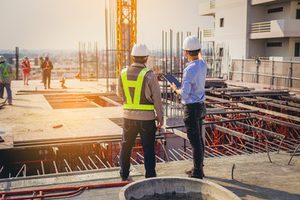
The earliest stage of any construction project focuses on defining the vision. This phase often involves clarifying the purpose of the project, setting realistic expectations, and identifying the features that matter most. Many beginners underestimate the importance of early planning, yet this step determines how smoothly everything else unfolds. Clear goals help guide design choices, budgeting decisions, and timelines. During this stage, professionals analyze factors such as structural requirements, functionality, and future maintenance needs. Rather than rushing into building, successful projects invest time in creating a strong conceptual foundation that balances creativity with practicality.
Once the vision is established, the design and planning phase begins to shape the project into something tangible. This stage goes beyond simple sketches; it includes technical drawings, material considerations, and workflow organization. Effective planning often revolves around three key priorities:
- Functionality – Ensuring that every part of the structure serves a practical purpose while supporting daily use.
- Efficiency – Designing layouts that maximize space, airflow, lighting, and accessibility without unnecessary complexity.
- Longevity – Choosing structural approaches that reduce future repairs and withstand environmental stress.
Thoughtful design does more than make a project look appealing. It anticipates potential problems and addresses them before construction even begins. This proactive approach saves time and prevents expensive revisions later in the process.
Budgeting is another critical component that determines whether a project succeeds or struggles. Many people assume that construction costs revolve only around materials and labor, but experienced professionals understand that planning for contingencies is equally important. A well-structured budget accounts for unexpected adjustments, material fluctuations, and timeline changes. Instead of viewing budgeting as a restriction, successful teams treat it as a strategic guide that keeps the project aligned with realistic goals. Transparent cost discussions early on help prevent misunderstandings and create a smoother collaboration between everyone involved.
After planning and budgeting come the preparation stages, where logistics begin to take shape. Permits, schedules, supply chains, and site readiness all play significant roles in setting the pace of construction. This phase often includes organizing delivery timelines, coordinating specialists, and ensuring safety standards are met before work begins. Strong preparation reduces downtime and minimizes disruptions once the building phase starts. Projects that skip or rush through preparation frequently encounter avoidable setbacks, proving that careful groundwork is just as important as the construction itself.
The construction phase is where ideas transform into physical reality, but it is far more structured than many people realize. Skilled teams follow detailed plans while maintaining flexibility for adjustments that arise along the way. Communication becomes the backbone of progress, ensuring that each stage aligns with the original design and budget. During active construction, successful projects focus on maintaining consistency in three areas:
- Quality Control – Regular inspections confirm that workmanship meets established standards and that materials are installed correctly.
- Timeline Management – Coordinating tasks so that one phase flows naturally into the next without unnecessary delays.
- Safety Practices – Protecting workers and future occupants by adhering to proper procedures and using reliable techniques.
These practices create a structured environment where progress remains steady and predictable, even when challenges appear.
Another key factor that separates successful construction projects from problematic ones is adaptability. No matter how detailed the initial plan may be, adjustments are sometimes necessary. Weather conditions, material availability, or unforeseen structural discoveries can require changes. The most effective teams approach these moments with flexibility and problem-solving skills rather than frustration. By maintaining open communication and focusing on solutions, they ensure that modifications enhance the project instead of derailing it. Adaptability does not mean abandoning the plan; it means refining it to maintain momentum without compromising quality.
As construction progresses, attention gradually shifts toward finishing details and functionality. This stage includes installing fixtures, refining surfaces, and ensuring that every component operates as intended. While structural work forms the backbone of the project, finishing touches often shape the overall experience of the space. High-quality finishes improve durability while creating a polished, cohesive appearance. Successful projects prioritize balance, making sure that aesthetic elements complement the structure’s long-term performance rather than overshadowing it.
Inspection and evaluation represent another essential step before a project reaches completion. Thorough assessments ensure that systems function correctly, structural elements remain secure, and the space meets established expectations. This process goes beyond checking visual details; it verifies performance, safety, and efficiency. By carefully reviewing the finished work, professionals can address minor adjustments before they evolve into larger issues. Projects that prioritize thorough inspections often experience fewer maintenance problems over time, demonstrating the value of patience during the final stages.
Even after construction is officially completed, the process does not truly end. Maintenance planning plays a significant role in preserving the value of any structure. A well-built project considers future upkeep from the very beginning, selecting materials and techniques that simplify repairs and reduce long-term costs. Property owners who understand how to care for their investment often enjoy greater comfort and fewer unexpected expenses. Construction is not just about building something new; it is about creating something sustainable that continues to perform well over the years.
One of the most overlooked aspects of successful construction projects is collaboration. Every phase—from initial concept to final inspection—relies on coordinated teamwork. Clear communication between planners, builders, and property owners helps maintain alignment with the original vision while adapting to evolving needs. When collaboration is strong, challenges become opportunities for improvement rather than sources of conflict. This sense of shared responsibility encourages accountability and ensures that each decision contributes to the overall success of the project.
Technology has also transformed how modern construction projects unfold. Digital planning tools, advanced measurement techniques, and improved project management systems allow teams to visualize outcomes more accurately and track progress in real time. These innovations reduce errors and streamline communication, making it easier to stay on schedule and within budget. While traditional craftsmanship remains essential, technology enhances efficiency by providing clearer insights and better coordination throughout the entire process.
Ultimately, successful construction projects follow a journey that combines creativity with discipline. From the earliest concept discussions to the final walkthrough, each stage builds upon the one before it. Strong planning lays the groundwork, thoughtful design shapes the structure, and skilled execution brings the vision to life. By understanding how each phase connects, property owners gain a deeper appreciation for the complexity behind well-built spaces. The result is not just a finished structure but a carefully crafted environment that reflects thoughtful planning, reliable construction, and long-term value.
When people see a completed building, they often notice the final appearance without realizing the extensive process that made it possible. Behind every durable, functional, and visually appealing structure is a series of deliberate steps designed to ensure success. By embracing clear goals, strategic planning, consistent communication, and high-quality craftsmanship, construction projects can move smoothly from concept to completion. This holistic approach transforms challenges into opportunities and ensures that every stage contributes to a final result that stands strong for years to come.