The Fine Details of Bathroom Remodeling

Bathroom Remodeling Jacksonville FL is a great way to add value to your home. You can tackle many DIY projects to keep costs down, but a full renovation should be left to the professionals.

Structural changes like moving walls require a professional for code and safety reasons. Also, older homes often contain lead paint, which is dangerous to pregnant women and children.
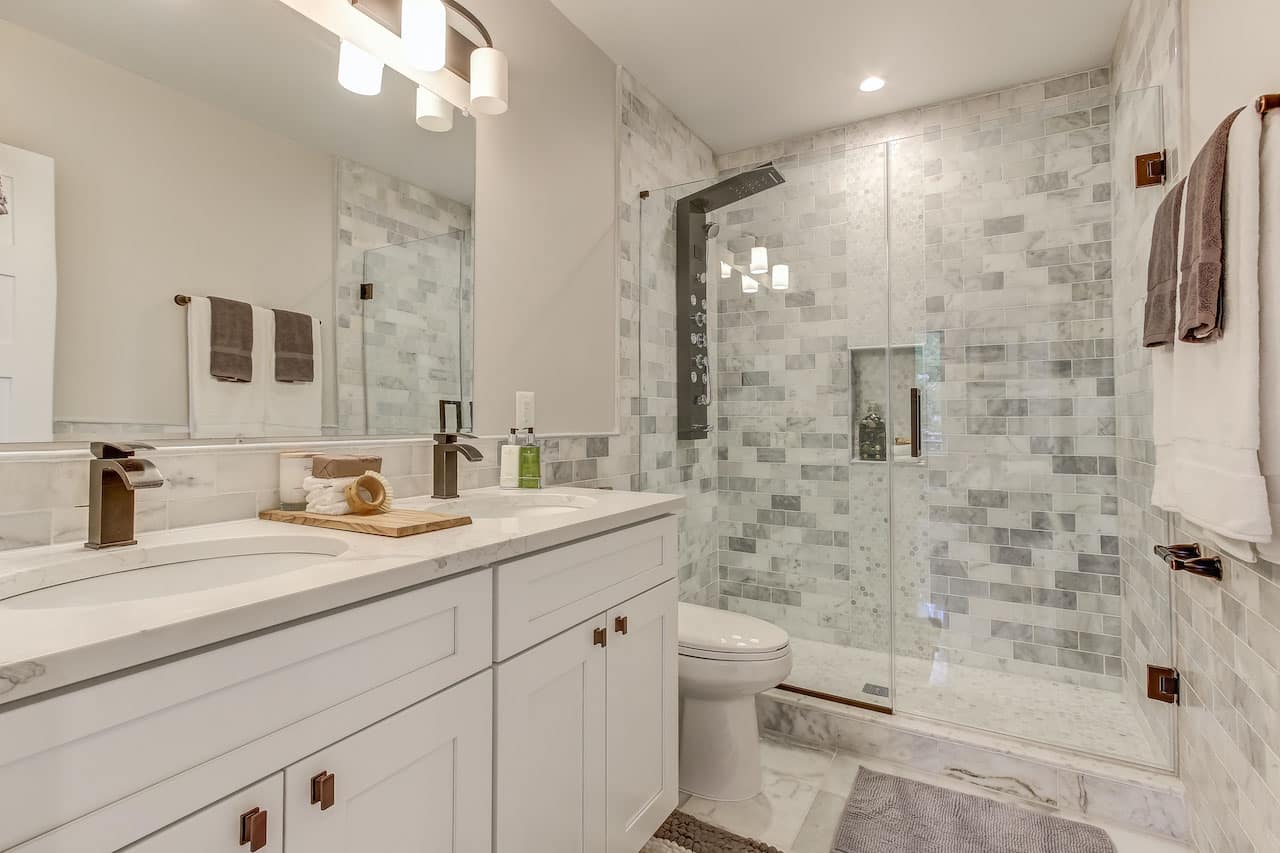
Can I Remodel My Bathroom for $5000? Experts Reveal!

While some design decisions in a bathroom remodel can be based solely on aesthetic preferences like paint color or wallpaper choices, others require careful consideration. One of those is lighting. You want a well-lit bathroom for both function and mood. Lighting can add warmth, and it also has the potential to make a room look bigger or smaller, depending on how it is used.

If you plan to install new light fixtures, they must be rated for wet locations. This is especially true of recessed lights over showers or bath areas, but even wall sconces can be wet-rated with the right bulbs.

Aside from a new light fixture, consider adding a pendant or chandelier to create a unique design feature in your bathroom. This type of lighting can be a great conversation piece and a focal point for your remodel.

It would help to have enough outlets in your bathroom to accommodate all your electrical appliances, from blow dryers and electric razors to hair straighteners and curling irons. If replacing the outlets, don’t just swap out the 15-amp receptacles for GFCIs; upgrade to 20-amp receptacles that handle the higher-wattage appliances.

If you add a vanity, install more storage, or change the bathroom layout, you will likely need to install new light fixtures as part of your remodel. It is always a good idea to hire a licensed professional to install any lighting or electrical work in your home, including a bathroom renovation. This will ensure that the work is done correctly and to code.

Whether a small shelf in the corner of a window or a new free-standing bathtub with storage space underneath, incorporating plenty of storage into your bathroom will improve its functionality and increase your home’s overall value. It’s a great way to make things like towels, toiletries, and cleaning supplies more accessible.

A remodel that involves changing the layout of a bathroom can be a bigger undertaking than a simple makeover or fixture replacement. This might include moving or removing fixtures like the tub/shower, toilet, or sink, which are often cumbersome and messy. Layout changes include relocating wiring, which is more complex and expensive than replacing a fixture.

Depending on the complexity of your project, it might take longer to complete than you originally anticipated. Considering this and planning can help you stay on budget and avoid costly delays. For example, it’s a good idea to clear and store personal items that can’t be moved from the bathroom before work begins. This will declutter the area around the room and protect those items from dust and damage.

Once the remodeling is done, it’s time to install the trim and finish touches. This is where the space comes together and feels like a brand-new bathroom. You can add window treatments, decorative storage containers, and pictures to your wall for a finished look that’s uniquely yours. Then, sit back and enjoy your newly renovated space.

A bathroom remodeling project is one of the most significant investments you can make in your home. Whether you plan to put your home on the market soon or want to enjoy it for years, making wise choices will add value and enhance functionality. But the nitty-gritty details, processes, options, and decisions can seem daunting. The first step is understanding the difference between a remodel and a renovation.

A basic remodeling may include painting and replacing cabinetry, but it does not involve gutting the room or changing its footprint. A complete gut or full replacement removes the tub/shower, toilet, vanity sink cabinet, flooring, and drywall — often requiring new electrical wiring. These projects are expensive, messy, and invasive. They also require permits and professional plumbing and electrical services.

Considering a major layout change, it’s important to consider Universal Design, which helps people of all ages and abilities live comfortably in their homes. It is a growing trend that includes features like grab bars and wider doorways for easier access, and it’s an important consideration when remodeling your bathroom.

Depending on the scope of your work, you may need to have the plumbing repaired. Chatting with a plumber or contractor about this at your design meetings is worthwhile. If you need a plan for your repiping, it could cost you more than it should.

Ventilation is another important aspect of a bathroom remodel. Many people rely on windows, but they can let in traffic pollution, pollen, and even rats. The best solution is to install a central ventilation system that vents directly outside the house rather than into an attic or crawl space. It can also help reduce mold and mildew.

Bathrooms take on a lot of abuse, particularly regarding water. They need to handle big temperature swings, humidity changes, and outright exposure to water. They must also be easy to clean and hold up to harsh chemicals. That’s why using materials suitable for a bathroom remodel is so important. It’s tempting to cut corners, but you’ll spend a lot more on replacement flooring in the long run if you choose a material that isn’t appropriate for bathrooms.

Several great bathroom flooring options include tile, vinyl, and waterproof wood. The tile is highly customizable and available in various price points, styles, and colors. You can wear a classic white marble look, bring the outdoors in with the oceanic blue tile, or create something unique.

Vinyl is another affordable option that’s easy to install yourself. It’s available in sheets or tiles and can be cut with a utility knife to fit awkward areas around the toilet. The newest luxury vinyl plank (LVP) has a rigid core engineered to withstand heavy foot traffic, scratches, and even water damage.

Wood floors are also popular, but you must stick with engineered wood rather than solid hardwood in the bathroom. Hardwood is unsuitable for moisture-prone areas because it can rot and mold. Engineered wood, on the other hand, has a plywood base that holds up well against moisture. It also looks authentically like wood and is available in various finishes, from gray weathered boards to rich dark oaks.

When the heavy lifting is done and your remodel is 95% complete, it’s easy to pat yourself on the back and say, “I’m finished now – this bathroom looks beautiful!” You must pay attention to the finishing touches to bring the space up to 100%. These things make a difference between a good and spectacular bathroom.

For example, adding a small piece of functional furniture—a side table or upholstered bench—brings comfort and functionality to the room. This is an especially important feature in bathrooms, which must handle big temperature changes, extreme humidity fluctuations, and a lot of water exposure.

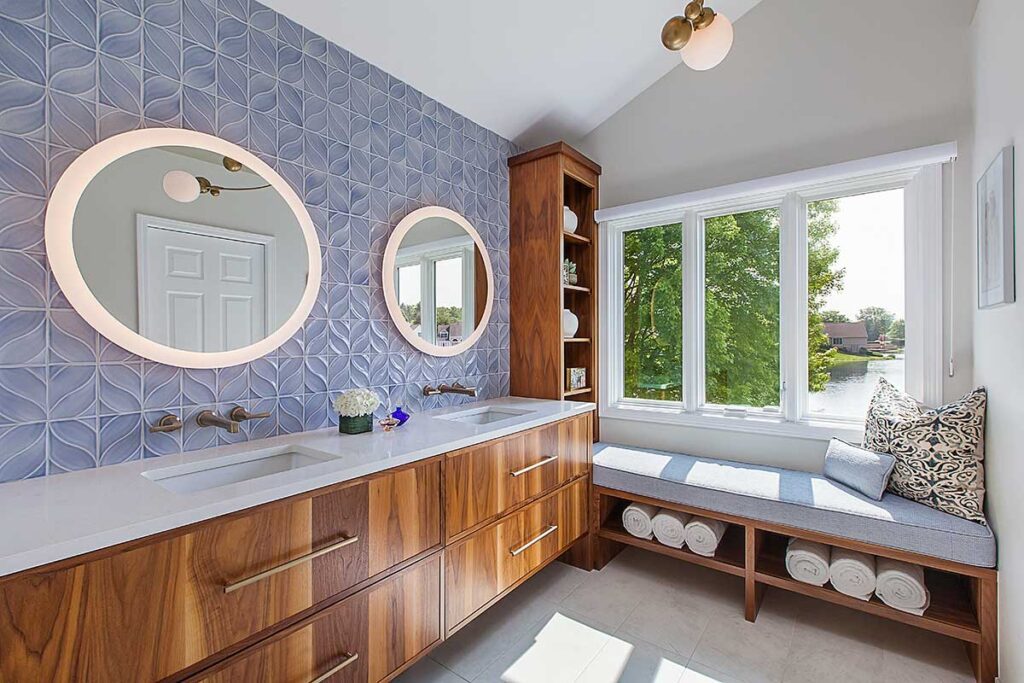
Decorative accessories also add to the room’s personality. A framed artwork or a collection of pretty soap and lotion dispensers can add an elegant, refined touch to any bathroom. You can even add a splash of color using a decorative glass backsplash behind the sink or a framed piece of wall art in the shower area that blends vintage + modern.

One of the most important finishing touches you can make is incorporating Universal Design elements into your bathroom. This is an approach to designing that makes a space usable for people of all ages and abilities. You can’t predict the future, but you can make a space more usable as you age by incorporating simple features such as blocking the walls for potential support bars if and when the time comes to use them. By planning, you can ensure your bathroom will serve you and your family for years. The key is to plan carefully and always use quality materials in your project.
Tips For a Successful Bathroom Remodel

Richmond Va Bathroom Remodel can be a large investment. Make sure you choose contractors who can be trusted and who will take the time to understand your vision.

Layout changes include relocating fixtures, like the tub or shower, and moving the toilet. It can also mean adding more storage and changing the floor footprint.

Luxury Condo Bathroom Remodels in Bloomfield Hills, MI - MainStreet Design  Build

  1. Set a Budget

The cost of remodeling a bathroom varies from one home to the next, depending on what features you include and how much the project entails. Setting a budget before getting started is important, which can help you stay within your limits throughout the remodel. If you need to determine how much your remodel will cost, get professional estimates before starting the work. Getting quotes from different contractors will help you find the best value for your money.

Some aspects of a bathroom remodel, like painting or replacing light fixtures, can be completed on your own, saving you money in labor costs. However, more extensive remodel projects, such as reworking the footprint of your bathroom and moving plumbing, require professional help. This is why you should always consider hiring a qualified pro for the tasks that require their expertise.

It’s also important to know that remodeling is an ongoing process, and it’s normal to incur unexpected expenses. That’s why allocating 5-10% of your contingency budget is a good idea. This money can cover any unexpected repairs or upgrades you may not have planned for. For example, adding a heated towel rail with a timed eco wall switch can save you energy costs in the long run and add to your home’s value.

When choosing a pro for your bathroom remodel, select an experienced, trustworthy contractor with the proper credentials and a great reputation in the industry. It would help if you also looked for discounts, rebates, or incentives that could save you money. For example, a licensed designer can purchase discounted products and offer expert advice tailored to your space and needs.

  1. Do a Full Gut

A full gut renovation is more expensive but can add significant value to your home. This may be worth the investment if you plan to sell your property shortly. A cosmetic renovation may be more cost-effective if you plan to keep your home.

Before starting your renovation:

  1. Do your homework.
  2. Research costs, contractors, and legal requirements.
  3. Talk to others who have undergone major residential gut renovations to learn what worked and what didn’t.
  4. Establish a budget and prioritize your wish list of updates, separating must-haves from nice-to-haves.

Work with a design professional to develop a plan and estimate time and cost. This will help you stay on track and avoid surprises down the road.

Check with your local government to find out if you need a demolition permit or any other permits for your project. Once you have all the necessary licenses, start ordering materials like lumber and windows. When your contractor begins the demolition, having the materials ready to go will save you valuable construction time.

You’ll need to replace your existing electrical circuits. These are likely fed by 15-amp wiring, which isn’t up to supporting your appliances (from electric razors to hair straighteners). It would help if you also replaced the existing drywall with a cement board for superior moisture resistance.

If you want to replace your tub or shower, choose a model that’s ADA-compliant or designed for easy accessibility. These options can increase the overall price of your bathroom remodel, but they’re well worth it for anyone with mobility issues or limited physical abilities.

  1. Start in a Specific Sequence

It’s important to start in a specific sequence when remodeling your bathroom. This will help you avoid damage and save time. For example, you should remodel the ceiling before moving on to walls and floors. This will prevent water and debris from damaging your new tile, vanity, tub, or paint.

Install cabinets or shelving if you want to add storage to your bathroom. It’s a great way to keep your bathroom organized and neat. Many different sizes and materials of cabinets are available to fit your needs. Make sure to select one that is durable and easy to clean. Next, install the sink and vanity. Choose a style and material that you like and suits your design aesthetic. Finally, install the toilet and any other accessories you want to include, such as a fan, mirrors, or towel bars.

Once all of the drywall is installed, you can paint. This is a critical step in a bathroom remodel because it will give your room a new look and protect against mold and mildew. It’s best to use a semi-gloss or satin paint resistant to humidity. It would help if you also waited to install the bathtub, shower, and sink before painting so that you don’t accidentally drip paint on them.

After the paint dries, you can install the tile. This is a major part of any bathroom remodel and takes a lot of time. It’s important to lay your tiles correctly and choose a grout color that matches your tiles and bathroom. Be sure to allow enough time for this step, as it can be frustrating. Once the tile is installed, you can install the toilet and other accessories in your bathroom.

  1. Plan for Lighting

A bathroom is all about function, but it can also be an opportunity for a little style. Lighting fixtures come in various styles and finishes and help tie tile and other decorative elements together. Layering your lighting is a good idea in the bath; alternating between bright light for tasks and gentler levels for ambiance is easier with dimmers.

You’ll want to start with the ceiling. Then, work your way down to the vanity area, where you’ll need ample task lighting for daily tasks like shaving and applying makeup. Accent lighting is a great addition, especially in the shower or tub, where it can highlight a special feature or provide an opportunity for chromotherapy (colorful underwater lighting shows in the tub).

Remember, electricity and water don’t mix, so if you plan on adding lighting fixtures near the sink, bathtub, or shower, ensure they are “wet-location” rated and have GFCI outlets. This will ensure your safety if you turn the lights on in the middle of your bath.

You can also add an appropriate fan for the room and a mirror to match your new fixture selections. Depending on the size of your bathroom and the style you’re going for, you can even add a chandelier. Decorative items like these are a great way to rejuvenate an older powder room or transform a smaller main bathroom into a spa-like retreat. The most important thing to remember is that your remodel will probably require some electrical work, and you should always hire a licensed electrician. This will save you both time and headaches down the road.

  1. Plan for Accessories

Bathroom remodels are a big investment and often one of the most used areas in the home. They also rank among the best improvements in terms of resale value. However, a good quality project requires careful planning to avoid costly mistakes. Poor planning is the number-one cause of remodeling overruns, so set aside enough time to do it right.

Bathrooms are difficult to plan because they are usually small and tightly enclosed. It would help if you considered how the finished product will look and function in every detail. The key is to choose products that will last a long time without becoming outdated. Sticking with neutral styles will ensure a new owner can easily adapt the room to their tastes.

When choosing fixtures, opt for ones that are energy efficient, water-saving, or have a low environmental impact. Also, ensure you have enough storage space to keep everything uncluttered. This will help you avoid clutter and mess, which can spoil the overall look of your bathroom design.

Planning for lighting upgrades during a bathroom remodel is a good idea. A dimmer switch allows you to set the mood, and recessed lighting around the mirror provides the best light for shaving, brushing teeth, and applying makeup.

Make your bathroom more livable by adding textures with bathmats and rugs. They add color and interest to the space and keep you from slipping on wet surfaces. You can even incorporate a slatted wood mat for a more rustic, natural feel. Accessory details can also add personality to your bathroom, such as a hanging piece of one-of-a-kind artwork or a colorful shower curtain.