
The Disaster Cleanup Process Explained Step by Step
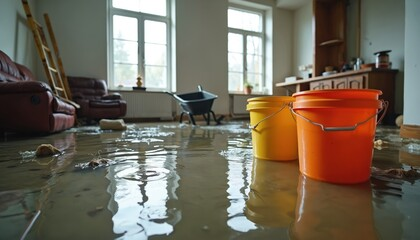
Utah Disaster Cleanup is a complex task, and it requires the expertise of trained professionals. Whether you’re dealing with a natural disaster like floods or hurricanes, or man-made events like chemical spills or home disasters such as mold infestation, professional services like HCI Environmental & Engineering Service offer fast, affordable, and professional solutions.
Initial Assessment
The initial assessment phase involves gathering data from a variety of sources. The information gathered at this stage feeds into the Preliminary Damage Assessment, which is required as part of the Presidential Disaster Declaration process. It helps determine if the community has surpassed certain thresholds; identifies critical infrastructure; provides a snapshot of current conditions (including debris, power, water, sewer, etc); and establishes priority areas for response efforts.
Disaster cleanup and restoration companies provide valuable services in this phase of the recovery process. They have the right tools and experience to clean up the aftermath of a natural disaster. They also have the expertise to restore your property to its original state, both in terms of functionality and aesthetics.
In addition to collecting information about the extent of the damage, qualified disaster assessment response teams should assess the structural integrity of buildings and report any unstable structures immediately. It is important to avoid unsafe situations, especially for workers and residents. In addition, they should collect information about the number of homes and businesses that are uninhabitable as well as the number of families that need shelter.
This information is important, not just for setting priority response efforts, but it also feeds into the overall disaster recovery plan and helps determine whether a community needs Federal assistance via contracts or mutual aid agreements. Inaccurate or incomplete damage assessment information can lead to inappropriate distribution of resources; result in increased negative environmental impacts; and delay or deny the request for a Presidential Disaster Declaration.
When the assessment is completed, it should include a description of the type of damage that occurred and its location. Mapping the damage should be included whenever possible. The assessment should also note whether the structure has been rendered uninhabitable and should include any additional impacts, such as disruption to the delivery of essential services.
During this stage, the team will also determine the volume of debris that has been created as a result of the disaster. The data collected during this stage will be used to determine the amount of resources necessary to handle removal, collection and disposal. It will also help determine how much space is available for staging areas and the length of time that debris can be stored in a landfill.
Debris Removal
Debris removal is a crucial phase of the disaster cleanup process. It involves the systematic removal, transportation, and disposal of debris that accumulates following a natural disaster or during demolition and construction. This debris may include hazardous materials, structural remnants, and personal belongings. It may also obstruct access to affected areas and delay recovery efforts. The debris removal process must be done carefully and in compliance with local and federal regulations.
During the debris removal phase, first responders must remove all hazards and dangerous materials to ensure safety for disaster victims, volunteers, and workers. Hazardous materials include chemicals, oil spills, asbestos, and other toxic substances that can contaminate the environment. Debris removal personnel should use special equipment and follow strict environmental procedures to avoid contamination.
The cleanup process is complex and involves many different stakeholders. The government, insurance companies, private property owners, and the community all contribute to the effort. Disaster cleanup requires significant resources and time, and the work can be extremely dangerous. Workers are exposed to a variety of risks, including exposure to mold, downed electrical power lines, carbon monoxide, unstable structures, and working conditions that can increase their risk of injury.
Debris management is a complex task, and it often takes months to years to complete. The cleanup is usually divided into phases, which may be separated by a few weeks or months. During each phase, the debris is inspected to determine the best method for its removal. This process includes removing large debris, disposing of hazardous materials, and clearing damaged roads and bridges. In addition, it may involve cleaning up and repairing buildings, roads, waterways, and other infrastructure.
It is important for private property owners to remove debris from their properties in a timely manner. This can help prevent further damage and make it easier for emergency responders to reach affected areas. Private property owners are typically reimbursed by their insurance companies for the cost of removal. The federal government may also provide assistance with the removal of disaster-related debris.
The state government typically coordinates the debris removal effort, and they may deploy resources and personnel to assist in the process. In some cases, they may also share the cost of these costs with local municipalities.
Structural Repairs
When a disaster occurs, it can leave property owners devastated and unsure how they’re going to get their life back to normal. Disaster restoration companies provide services that are designed to help homeowners and businesses recover quickly from the aftermath of a natural disaster. They will assess the damage, clean up the site and then repair any damaged areas. This will help them restore their properties and return them to the state that they were in before the disaster occurred.
The first step in the process is to repair any structural damage caused by the disaster. This will include fixing roofs, walls and floors. This can also include replacing structural elements like foundations and beams.
This is a necessary step because if a structure is not repaired, it can begin to deteriorate and may eventually collapse. This can be dangerous for the people in the building and cause serious financial problems. In addition, repairing structural damage can protect the surrounding area from further damage and prevent future disasters.
Water damage is another common disaster restoration issue. This can be due to flooding or leaky roofs. If left untreated, it can lead to severe problems in the home or business, including mold growth and structural damage. Water damage also requires extensive cleaning and sanitization to avoid the spread of disease and illness. Disaster restoration professionals will thoroughly inspect the affected areas for any signs of mold and water damage and then take the appropriate steps to remove and sanitize them.
If a home or business has been affected by fire, it can be one of the most devastating events. Not only can it destroy the structure, but it can also ruin personal belongings and cause emotional distress. Fire damage cleanup is often complicated, but disaster cleanup companies will ensure that all damage is addressed and the property is restored to its former condition.
If you’re looking for a company that can help you with the disaster cleanup and recovery process, contact Trimaco today. Our trained professionals can handle any type of disaster and will make sure your property is safe and healthy again as soon as possible.
Rebuilding
The rebuilding phase of disaster cleanup involves repairing damage to homes and business structures. This can involve a variety of different tasks, including demolition, cleaning, structural repairs, and replacement of materials. The goal is to return the property to its pre-disaster state. This can be a long and complicated process, and it is often best left to professionals.
Homeowners and businesses involved in disaster cleanup can be exposed to a variety of hazardous conditions while working on their properties. These include fallen power lines, contaminated floodwater, mold, carbon monoxide, and tree trimming. The work can also be physically exhausting. It is important that people who are participating in disaster clean up seek out help for mental and physical health issues. Professional counseling is often available through local mental health services and community organizations.
After a natural disaster, it is common for individuals and communities to feel overwhelmed by the size of the task at hand. It can be helpful to seek help from family members, community organizations, and local officials. This support can help prevent serious stress-related complications.
During the preparation phase, planners work to develop guidelines and protocols for post-disaster reconstruction. This can be done through county-hosted workshops with homeowners, condominium and resort owners, and local planning agencies. A common tool used in Maui County is a Disaster Reconstruction Ordinance. This establishes procedures and legal authority for expediting permitting for disaster restoration and recovery while ensuring cultural and sensitive natural resources are protected.