
Common Foundation Problems and Effective Repair Methods for Long-Term Protection
A strong, stable foundation is essential for any building, whether residential or commercial. The foundation supports the entire structure, ensuring its safety, longevity, and value. Unfortunately, foundations are prone to various issues over time due to environmental conditions, construction defects, and natural wear and tear. Recognizing common foundation problems and knowing the most effective repair methods is crucial for maintaining structural integrity and preventing costly damage. A professional Foundation Repair Murfreesboro TN can help property owners spot underlying issues and prevent costly repairs.
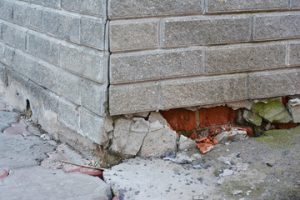
Understanding Foundation Problems
Foundation problems occur when the soil beneath a building shifts or when the structural elements of the foundation weaken. These issues can manifest in subtle ways or become more noticeable as damage progresses. Addressing problems early is critical because foundation issues can lead to structural instability, water infiltration, and even safety hazards.
Some of the most common signs of foundation problems include cracks in walls or floors, uneven flooring, doors and windows that stick or fail to close properly, and water seepage in basements or crawl spaces. Recognizing these warning signs promptly allows property owners to take action before the damage worsens.
Common Types of Foundation Problems
Several types of foundation problems are frequently observed in buildings. Understanding these issues can help property owners identify the root cause and choose the most suitable repair method.
1. Foundation Cracks
Cracks are among the most common foundation issues. They can appear in concrete walls, basement floors, or masonry surfaces. While some small cracks are superficial and result from natural settling, larger or widening cracks may indicate serious structural issues. Cracks that are horizontal, stair-stepped, or accompanied by water infiltration require immediate attention.
2. Foundation Settlement
Settlement occurs when the soil beneath a foundation compacts unevenly, causing parts of the structure to sink. This can lead to uneven floors, tilted walls, and misaligned doors and windows. Settlement often results from poor soil compaction during construction, erosion, or changes in soil moisture content.
3. Foundation Heaving
Heaving happens when the soil beneath a foundation expands, typically due to excessive moisture or clay-rich soils. The expansion pushes the foundation upward, creating cracks in walls, floors, and driveways. Heaving can compromise structural integrity if left unaddressed.
4. Water Damage and Hydrostatic Pressure
Water accumulation around a foundation can create hydrostatic pressure, which forces water into basements or crawl spaces and weakens structural elements. Prolonged exposure to moisture can lead to mold growth, wood rot, and corrosion of metal components, further exacerbating foundation problems.
5. Bowing or Leaning Walls
Walls may bow or lean due to lateral pressure from surrounding soil. This is common in basement walls that lack proper reinforcement. Bowing walls can compromise structural stability and may eventually collapse if not repaired promptly.
6. Soil Erosion or Poor Drainage
Erosion and poor drainage around a building can wash away supporting soil, causing voids beneath the foundation. This undermines stability and increases the risk of cracks, settlement, or tilting. Proper grading and drainage are essential for preventing such problems.
Effective Repair Methods for Foundation Issues
Once foundation problems are identified, selecting the appropriate repair method is essential for long-term protection. Several proven techniques are used by foundation repair professionals to address different types of issues.
1. Crack Repair
Cracks in concrete or masonry can be repaired using epoxy injections or polyurethane foam. These materials fill gaps, restore structural integrity, and prevent water infiltration. Small, hairline cracks may only require surface sealing, while larger cracks necessitate more extensive reinforcement.
2. Foundation Underpinning
Underpinning involves strengthening or stabilizing the foundation by extending its depth or distributing the load more evenly. This technique is often used for buildings experiencing settlement or unstable soil conditions. Methods such as piering, where steel or concrete piers are driven into stable soil layers, provide long-term support and prevent further sinking.
3. Slab Jacking or Mudjacking
For concrete slab foundations that have settled unevenly, slab jacking (also known as mudjacking) can restore level surfaces. This process involves pumping a grout mixture beneath the sunken slab, lifting it to the desired level, and filling voids to stabilize the soil. Slab jacking is a cost-effective solution for minor settlement issues.
4. Foundation Wall Reinforcement
Bowing or leaning walls can be reinforced using steel braces, carbon fiber strips, or wall anchors. These methods counteract lateral soil pressure and prevent further movement. Carbon fiber strips are particularly popular for their strength, minimal intrusion, and long-term durability.
5. Waterproofing and Drainage Solutions
Addressing water damage and hydrostatic pressure requires proper drainage and waterproofing. Installing French drains, sump pumps, or exterior waterproof membranes directs water away from the foundation, reducing pressure and preventing leaks. Interior waterproofing solutions, such as vapor barriers and sealants, further protect against moisture infiltration.
6. Soil Stabilization
For foundations affected by expansive or unstable soils, soil stabilization techniques are employed. This may involve injecting stabilizing compounds, improving compaction, or adding engineered fill to create a more stable base. Proper soil stabilization mitigates the risk of heaving, settlement, and erosion.
Preventive Measures for Long-Term Protection
While repair methods address existing foundation problems, preventive measures help protect the foundation from future damage. Regular inspection and maintenance are key components of foundation longevity.
- Regular Inspections – Conduct periodic checks for cracks, uneven floors, or water intrusion to catch issues early.
- Proper Drainage – Ensure gutters, downspouts, and landscaping direct water away from the foundation. Avoid excessive watering near the building’s perimeter.
- Soil Moisture Management – Prevent extreme fluctuations in soil moisture by maintaining consistent watering schedules and addressing drainage problems.
- Tree and Plant Placement – Avoid planting large trees or shrubs too close to the foundation, as roots can disturb soil stability.
- Foundation Maintenance – Seal minor cracks promptly, maintain exterior grading, and inspect basement walls for signs of bowing or moisture.
Taking proactive steps reduces the risk of major structural issues and extends the life of the foundation.
Signs It’s Time to Consult a Professional
Not all foundation issues can be managed with DIY solutions. Professional assessment is necessary when you notice:
- Cracks wider than 1/4 inch, particularly horizontal or stair-step cracks.
- Doors or windows that stick or fail to close properly.
- Uneven or sloping floors.
- Bowing or leaning walls in basements or crawl spaces.
- Water seepage or persistent moisture issues around the foundation.
Foundation repair professionals can provide accurate diagnostics, recommend the most effective solutions, and execute repairs that ensure long-term protection.
Choosing the Right Foundation Repair Service
Selecting a reputable foundation repair service is crucial for quality results. Property owners should consider:
- Experience and Expertise – Ensure the company has a proven track record in diagnosing and repairing foundation problems.
- Detailed Assessment and Estimate – Professional services should provide thorough inspections and transparent pricing.
- Warranty and Follow-Up Services – Reliable companies offer warranties and ongoing support to ensure repairs remain effective.
- Customer Reviews and References – Feedback from previous clients offers insight into reliability, professionalism, and success rates.
Working with experienced professionals ensures that repairs are completed safely, efficiently, and with long-lasting results.
Foundation problems are a serious concern for any property owner. From cracks and settlement to water damage and soil instability, these issues can compromise the safety, functionality, and value of a building. Recognizing common signs, understanding repair methods, and implementing preventive measures are essential for long-term foundation protection.
Professional foundation repair services provide effective solutions tailored to the specific challenges of each property. Techniques such as crack repair, underpinning, slab jacking, wall reinforcement, waterproofing, and soil stabilization ensure that foundations remain stable and secure for years to come.
Regular inspection, proper drainage, and proactive maintenance further protect the foundation from future problems, preserving structural integrity and extending the life of the building. Investing in professional repair and preventive measures not only safeguards your property but also provides peace of mind, knowing that the foundation supporting your home or business is strong, stable, and built to last.