Common Foundation Problems and Effective Repair Methods for Long-Term Protection

A strong, stable foundation is essential for any building, whether residential or commercial. The foundation supports the entire structure, ensuring its safety, longevity, and value. Unfortunately, foundations are prone to various issues over time due to environmental conditions, construction defects, and natural wear and tear. Recognizing common foundation problems and knowing the most effective repair methods is crucial for maintaining structural integrity and preventing costly damage. A professional Foundation Repair Murfreesboro TN can help property owners spot underlying issues and prevent costly repairs.
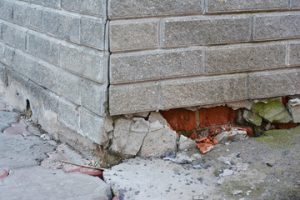
foundation repair

Understanding Foundation Problems

Foundation problems occur when the soil beneath a building shifts or when the structural elements of the foundation weaken. These issues can manifest in subtle ways or become more noticeable as damage progresses. Addressing problems early is critical because foundation issues can lead to structural instability, water infiltration, and even safety hazards.

Some of the most common signs of foundation problems include cracks in walls or floors, uneven flooring, doors and windows that stick or fail to close properly, and water seepage in basements or crawl spaces. Recognizing these warning signs promptly allows property owners to take action before the damage worsens.

Common Types of Foundation Problems

Several types of foundation problems are frequently observed in buildings. Understanding these issues can help property owners identify the root cause and choose the most suitable repair method.

1. Foundation Cracks

Cracks are among the most common foundation issues. They can appear in concrete walls, basement floors, or masonry surfaces. While some small cracks are superficial and result from natural settling, larger or widening cracks may indicate serious structural issues. Cracks that are horizontal, stair-stepped, or accompanied by water infiltration require immediate attention.

2. Foundation Settlement

Settlement occurs when the soil beneath a foundation compacts unevenly, causing parts of the structure to sink. This can lead to uneven floors, tilted walls, and misaligned doors and windows. Settlement often results from poor soil compaction during construction, erosion, or changes in soil moisture content.

3. Foundation Heaving

Heaving happens when the soil beneath a foundation expands, typically due to excessive moisture or clay-rich soils. The expansion pushes the foundation upward, creating cracks in walls, floors, and driveways. Heaving can compromise structural integrity if left unaddressed.

4. Water Damage and Hydrostatic Pressure

Water accumulation around a foundation can create hydrostatic pressure, which forces water into basements or crawl spaces and weakens structural elements. Prolonged exposure to moisture can lead to mold growth, wood rot, and corrosion of metal components, further exacerbating foundation problems.

5. Bowing or Leaning Walls

Walls may bow or lean due to lateral pressure from surrounding soil. This is common in basement walls that lack proper reinforcement. Bowing walls can compromise structural stability and may eventually collapse if not repaired promptly.

6. Soil Erosion or Poor Drainage

Erosion and poor drainage around a building can wash away supporting soil, causing voids beneath the foundation. This undermines stability and increases the risk of cracks, settlement, or tilting. Proper grading and drainage are essential for preventing such problems.

Effective Repair Methods for Foundation Issues

Once foundation problems are identified, selecting the appropriate repair method is essential for long-term protection. Several proven techniques are used by foundation repair professionals to address different types of issues.

1. Crack Repair

Cracks in concrete or masonry can be repaired using epoxy injections or polyurethane foam. These materials fill gaps, restore structural integrity, and prevent water infiltration. Small, hairline cracks may only require surface sealing, while larger cracks necessitate more extensive reinforcement.

2. Foundation Underpinning

Underpinning involves strengthening or stabilizing the foundation by extending its depth or distributing the load more evenly. This technique is often used for buildings experiencing settlement or unstable soil conditions. Methods such as piering, where steel or concrete piers are driven into stable soil layers, provide long-term support and prevent further sinking.

3. Slab Jacking or Mudjacking

For concrete slab foundations that have settled unevenly, slab jacking (also known as mudjacking) can restore level surfaces. This process involves pumping a grout mixture beneath the sunken slab, lifting it to the desired level, and filling voids to stabilize the soil. Slab jacking is a cost-effective solution for minor settlement issues.

4. Foundation Wall Reinforcement

Bowing or leaning walls can be reinforced using steel braces, carbon fiber strips, or wall anchors. These methods counteract lateral soil pressure and prevent further movement. Carbon fiber strips are particularly popular for their strength, minimal intrusion, and long-term durability.

5. Waterproofing and Drainage Solutions

Addressing water damage and hydrostatic pressure requires proper drainage and waterproofing. Installing French drains, sump pumps, or exterior waterproof membranes directs water away from the foundation, reducing pressure and preventing leaks. Interior waterproofing solutions, such as vapor barriers and sealants, further protect against moisture infiltration.

6. Soil Stabilization

For foundations affected by expansive or unstable soils, soil stabilization techniques are employed. This may involve injecting stabilizing compounds, improving compaction, or adding engineered fill to create a more stable base. Proper soil stabilization mitigates the risk of heaving, settlement, and erosion.

Preventive Measures for Long-Term Protection

While repair methods address existing foundation problems, preventive measures help protect the foundation from future damage. Regular inspection and maintenance are key components of foundation longevity.

  • Regular Inspections – Conduct periodic checks for cracks, uneven floors, or water intrusion to catch issues early.
  • Proper Drainage – Ensure gutters, downspouts, and landscaping direct water away from the foundation. Avoid excessive watering near the building’s perimeter.
  • Soil Moisture Management – Prevent extreme fluctuations in soil moisture by maintaining consistent watering schedules and addressing drainage problems.
  • Tree and Plant Placement – Avoid planting large trees or shrubs too close to the foundation, as roots can disturb soil stability.
  • Foundation Maintenance – Seal minor cracks promptly, maintain exterior grading, and inspect basement walls for signs of bowing or moisture.

Taking proactive steps reduces the risk of major structural issues and extends the life of the foundation.

Signs It’s Time to Consult a Professional

Not all foundation issues can be managed with DIY solutions. Professional assessment is necessary when you notice:

  • Cracks wider than 1/4 inch, particularly horizontal or stair-step cracks.
  • Doors or windows that stick or fail to close properly.
  • Uneven or sloping floors.
  • Bowing or leaning walls in basements or crawl spaces.
  • Water seepage or persistent moisture issues around the foundation.

Foundation repair professionals can provide accurate diagnostics, recommend the most effective solutions, and execute repairs that ensure long-term protection.

Choosing the Right Foundation Repair Service

Selecting a reputable foundation repair service is crucial for quality results. Property owners should consider:

  • Experience and Expertise – Ensure the company has a proven track record in diagnosing and repairing foundation problems.
  • Detailed Assessment and Estimate – Professional services should provide thorough inspections and transparent pricing.
  • Warranty and Follow-Up Services – Reliable companies offer warranties and ongoing support to ensure repairs remain effective.
  • Customer Reviews and References – Feedback from previous clients offers insight into reliability, professionalism, and success rates.

Working with experienced professionals ensures that repairs are completed safely, efficiently, and with long-lasting results.

Foundation problems are a serious concern for any property owner. From cracks and settlement to water damage and soil instability, these issues can compromise the safety, functionality, and value of a building. Recognizing common signs, understanding repair methods, and implementing preventive measures are essential for long-term foundation protection.

Professional foundation repair services provide effective solutions tailored to the specific challenges of each property. Techniques such as crack repair, underpinning, slab jacking, wall reinforcement, waterproofing, and soil stabilization ensure that foundations remain stable and secure for years to come.

Regular inspection, proper drainage, and proactive maintenance further protect the foundation from future problems, preserving structural integrity and extending the life of the building. Investing in professional repair and preventive measures not only safeguards your property but also provides peace of mind, knowing that the foundation supporting your home or business is strong, stable, and built to last.
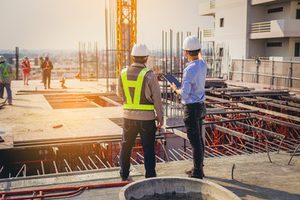
From Concept to Completion: How Successful Construction Projects Really Work

Every successful construction project begins long before the first tool is lifted or the first material arrives on-site. Behind every well-built structure is a carefully planned process that transforms an idea into a finished result through strategy, communication, and expert execution. Understanding how Construction projects truly work—from concept to completion—helps property owners, investors, and builders make smarter decisions, avoid costly delays, and achieve results that last for years. When each phase is approached with intention and clarity, the entire experience becomes more efficient, predictable, and ultimately more rewarding.

construction

The earliest stage of any construction project focuses on defining the vision. This phase often involves clarifying the purpose of the project, setting realistic expectations, and identifying the features that matter most. Many beginners underestimate the importance of early planning, yet this step determines how smoothly everything else unfolds. Clear goals help guide design choices, budgeting decisions, and timelines. During this stage, professionals analyze factors such as structural requirements, functionality, and future maintenance needs. Rather than rushing into building, successful projects invest time in creating a strong conceptual foundation that balances creativity with practicality.

Once the vision is established, the design and planning phase begins to shape the project into something tangible. This stage goes beyond simple sketches; it includes technical drawings, material considerations, and workflow organization. Effective planning often revolves around three key priorities:

  1. Functionality – Ensuring that every part of the structure serves a practical purpose while supporting daily use.
  2. Efficiency – Designing layouts that maximize space, airflow, lighting, and accessibility without unnecessary complexity.
  3. Longevity – Choosing structural approaches that reduce future repairs and withstand environmental stress.

Thoughtful design does more than make a project look appealing. It anticipates potential problems and addresses them before construction even begins. This proactive approach saves time and prevents expensive revisions later in the process.

Budgeting is another critical component that determines whether a project succeeds or struggles. Many people assume that construction costs revolve only around materials and labor, but experienced professionals understand that planning for contingencies is equally important. A well-structured budget accounts for unexpected adjustments, material fluctuations, and timeline changes. Instead of viewing budgeting as a restriction, successful teams treat it as a strategic guide that keeps the project aligned with realistic goals. Transparent cost discussions early on help prevent misunderstandings and create a smoother collaboration between everyone involved.

After planning and budgeting come the preparation stages, where logistics begin to take shape. Permits, schedules, supply chains, and site readiness all play significant roles in setting the pace of construction. This phase often includes organizing delivery timelines, coordinating specialists, and ensuring safety standards are met before work begins. Strong preparation reduces downtime and minimizes disruptions once the building phase starts. Projects that skip or rush through preparation frequently encounter avoidable setbacks, proving that careful groundwork is just as important as the construction itself.

The construction phase is where ideas transform into physical reality, but it is far more structured than many people realize. Skilled teams follow detailed plans while maintaining flexibility for adjustments that arise along the way. Communication becomes the backbone of progress, ensuring that each stage aligns with the original design and budget. During active construction, successful projects focus on maintaining consistency in three areas:

  1. Quality Control – Regular inspections confirm that workmanship meets established standards and that materials are installed correctly.
  2. Timeline Management – Coordinating tasks so that one phase flows naturally into the next without unnecessary delays.
  3. Safety Practices – Protecting workers and future occupants by adhering to proper procedures and using reliable techniques.

These practices create a structured environment where progress remains steady and predictable, even when challenges appear.

Another key factor that separates successful construction projects from problematic ones is adaptability. No matter how detailed the initial plan may be, adjustments are sometimes necessary. Weather conditions, material availability, or unforeseen structural discoveries can require changes. The most effective teams approach these moments with flexibility and problem-solving skills rather than frustration. By maintaining open communication and focusing on solutions, they ensure that modifications enhance the project instead of derailing it. Adaptability does not mean abandoning the plan; it means refining it to maintain momentum without compromising quality.

As construction progresses, attention gradually shifts toward finishing details and functionality. This stage includes installing fixtures, refining surfaces, and ensuring that every component operates as intended. While structural work forms the backbone of the project, finishing touches often shape the overall experience of the space. High-quality finishes improve durability while creating a polished, cohesive appearance. Successful projects prioritize balance, making sure that aesthetic elements complement the structure’s long-term performance rather than overshadowing it.

Inspection and evaluation represent another essential step before a project reaches completion. Thorough assessments ensure that systems function correctly, structural elements remain secure, and the space meets established expectations. This process goes beyond checking visual details; it verifies performance, safety, and efficiency. By carefully reviewing the finished work, professionals can address minor adjustments before they evolve into larger issues. Projects that prioritize thorough inspections often experience fewer maintenance problems over time, demonstrating the value of patience during the final stages.

Even after construction is officially completed, the process does not truly end. Maintenance planning plays a significant role in preserving the value of any structure. A well-built project considers future upkeep from the very beginning, selecting materials and techniques that simplify repairs and reduce long-term costs. Property owners who understand how to care for their investment often enjoy greater comfort and fewer unexpected expenses. Construction is not just about building something new; it is about creating something sustainable that continues to perform well over the years.

One of the most overlooked aspects of successful construction projects is collaboration. Every phase—from initial concept to final inspection—relies on coordinated teamwork. Clear communication between planners, builders, and property owners helps maintain alignment with the original vision while adapting to evolving needs. When collaboration is strong, challenges become opportunities for improvement rather than sources of conflict. This sense of shared responsibility encourages accountability and ensures that each decision contributes to the overall success of the project.

Technology has also transformed how modern construction projects unfold. Digital planning tools, advanced measurement techniques, and improved project management systems allow teams to visualize outcomes more accurately and track progress in real time. These innovations reduce errors and streamline communication, making it easier to stay on schedule and within budget. While traditional craftsmanship remains essential, technology enhances efficiency by providing clearer insights and better coordination throughout the entire process.

Ultimately, successful construction projects follow a journey that combines creativity with discipline. From the earliest concept discussions to the final walkthrough, each stage builds upon the one before it. Strong planning lays the groundwork, thoughtful design shapes the structure, and skilled execution brings the vision to life. By understanding how each phase connects, property owners gain a deeper appreciation for the complexity behind well-built spaces. The result is not just a finished structure but a carefully crafted environment that reflects thoughtful planning, reliable construction, and long-term value.

When people see a completed building, they often notice the final appearance without realizing the extensive process that made it possible. Behind every durable, functional, and visually appealing structure is a series of deliberate steps designed to ensure success. By embracing clear goals, strategic planning, consistent communication, and high-quality craftsmanship, construction projects can move smoothly from concept to completion. This holistic approach transforms challenges into opportunities and ensures that every stage contributes to a final result that stands strong for years to come.