
Common Myths About Cabinet Refinishing Debunked

Cabinet Refinishing

Many homeowners are intimidated by the prospect of a cabinet painting project. Whether it’s a simple or complex job, the right professional can make all the difference.

However, some homeowners are confused about refacing and think it’s only a temporary fix that doesn’t add value to their home. Let’s debunk some of these myths!

1. It’s Not a Long-Term Solution

Cabinet Refinishing Modesto is an effective way to give your kitchen a fresh new look without the cost and hassle of a full replacement. However, some homeowners may be hesitant to consider this option due to misconceptions about the process.

One of the biggest misconceptions about cabinet refinishing is that it’s not long-lasting. In reality, the finish of your cabinets can last a lifetime with proper maintenance. The key is to use high-quality materials, so that the new surface will withstand the wear and tear of daily life without fading or peeling.

The other major misconception about cabinet refinishing is that it’s only a cosmetic upgrade. In reality, refinishing can make your cabinets look brand-new and increase their lifespan by up to 10 years. The refinishing process can also be used to address minor issues, such as water damage or warping, that could eventually compromise the integrity of your cabinets.

A refinishing professional can work quickly to restore your cabinets and minimize downtime, making it a great solution for busy households. Refinishing is also a great option for historic or antique homes that you want to preserve but would benefit from a more modern look.

Lastly, refinishing is a much more environmentally conscious choice than replacement. Replacing cabinets often means tearing out perfectly functional units that end up in the landfill, which can be a big waste of money and resources. Refinishing your cabinets prevents this unnecessary waste and provides a sustainable solution for homeowners that still want to update their kitchen.

While refacing is a more substantial project than refinishing, it offers a dramatic transformation that can boost your home’s value. Plus, it’s a great way to add features that you would otherwise have to pay for during a complete renovation, such as a stylish backsplash or modern appliances.

2. It’s Only a Cosmetic Upgrade

Cabinet refinishing breathes new life into sturdy, functional cabinets that have lost their luster, allowing you to give your kitchen a facelift without a major remodel. This can include highlighting the natural wood grain with a lighter stain, choosing a modern paint color, or adding decorative details like crown molding to complement your interior design.

This approach is not just budget-friendly but also environmentally responsible. Replacing your cabinets means tearing out perfectly functional units that could serve you well for years to come, which adds up to a significant amount of waste and requires more natural resources to produce, transport, and install new cabinets.

However, this myth is unfounded because refinishing also opens up a wide range of customization options that can transform your kitchen to reflect your own unique aesthetic. You can explore different styles, wood types, and cabinet colors to create the look you desire, resulting in a sleek sophistication or rustic warmth that complements your home.

Moreover, the quality of your cabinet hardware can also make an impact on your kitchen’s overall appearance. Aside from ensuring that your cabinets are sturdy and functional, upgrading them with high-quality knobs and pulls can instantly improve the visual appeal of your kitchen.

The bottom line is that refinishing and replacing your cabinets both offer substantial benefits, but the choice you make should be based on the condition of your existing cabinetry and your long-term goals for your home. Refinishing is a wise option if your cabinets are in good shape and only showing minor signs of wear, while refacing is the best solution for homeowners who want to boost their home’s resale value. By updating your cabinetry, you can deliver a more attractive and appealing property that will appeal to potential buyers in your area, including households in Dunwoody, Atlanta, and Marietta.

3. It’s Not Value-Addling

Many homeowners want to make changes in their home that will increase its value when it comes time to sell. While upgrades like putting in hardwood floors and finishing the basement are both great options, kitchen renovations tend to bring the highest return on investment. One of the best ways to improve a kitchen is by replacing the cabinets, but it’s not always affordable for everyone.

Cabinet refinishing is a great option for those who want to refresh their existing cabinets without spending the money on new materials and labor. The refinishing process typically costs a third of the cost of refacing or one-fifth the price of replacement, allowing you to stretch your budget further for other remodeling projects.

Unfortunately, some homeowners assume that refinishing does not add value to their homes and opt for a complete replacement instead. This is a misconception, especially if you choose a reputable cabinet company that uses premium, long-lasting materials. Refacing your kitchen with 1/4″ select-grade solid wood will not only add value, but it will also protect against moisture and other environmental factors that can cause long-term damage.

Additionally, refacing your cabinets can often be completed in less time than a full replacement. This allows you to get back to your regular routine faster and enjoy your updated space sooner. It also saves on the costs associated with tearing out old cabinets and dealing with related issues, such as plumbing or electrical updates. This can save you money and hassle, helping to boost your overall return on investment for your Winter Springs home.

4. It’s Not a DIY Project

While cabinet painting may seem like a DIY-friendly project, there’s a lot of prep work involved. This includes cleaning and sanding the surfaces. If you don’t do this correctly, the new paint could peel or crack. This will not only detract from the appearance of your cabinets but also reduce the durability of the finish, which will shorten its lifespan. It’s also possible to miscalculate measurements and materials or use paint or stain that’s not formulated for kitchen surfaces, leading to costly errors that will need to be corrected.

A reputable cabinet refacing company will have the skills, tools and experience to properly handle the project with precision. They will also use premium materials and finishes that are designed for busy kitchen environments to ensure lasting results. This will give you the aesthetic you desire without the extra cost, mess and stress of a full cabinet replacement.

Cabinet refacing is a great way to refresh the look of your space and add value to your home. If you’re interested in this solution for your Marietta or Johns Creek home, contact us today to learn more about how we can help!

We’ll gladly provide a free estimate for the work and answer any questions you might have. If you decide to move forward with the project, we can provide you with a timeline and schedule that works best for your home renovation needs. You can trust that our team will complete the work quickly, neatly and to your satisfaction. We look forward to working with you!

5. It’s Not Affordable

Cabinets are one of the most visible features in any kitchen or bathroom. When they become outdated or damaged, homeowners face the decision of whether to refinish them or replace them entirely. Both options have their own benefits, costs, and long-term implications. However, there are some misconceptions about cabinet refinishing that can lead to costly mistakes and missed opportunities.

One common misconception is that refacing is too expensive for the average homeowner. This couldn’t be further from the truth. Refacing typically costs less than replacement and can save thousands of dollars compared to a complete kitchen remodel. Additionally, refacing can be completed in less time than a replacement project, which means fewer disruptions to daily life.

Another myth is that refacing results in a cheap-looking finish. Professional cabinet refinishing uses high-quality materials and techniques to create beautiful, long-lasting results. This includes sanding the existing cabinets before refinishing and using premium quality paints such as KILZ 3(r) Premium Primer that offer stain-blocking properties and superior adhesion. This helps ensure a smooth surface for the topcoat, ensuring even coverage and a long-lasting, durable finish.

Finally, many homeowners assume that refacing covers up any issues with their cabinetry. While refacing can dramatically improve the aesthetic of your kitchen, it cannot change your cabinet layout or add more storage space. Any water damage or structural problems will remain visible underneath the refacing material. You will need to repair these issues or risk them worsening over time.

Cabinet refacing can be an effective way to update the look of your kitchen without the cost, mess, and inconvenience of replacement. Choosing the right wood type, style, and stain can help you achieve the look you want and add value to your home. It’s also an environmentally-friendly option that reduces construction waste and avoids sending unrecyclable materials to landfills.
How Interior Painting Can Transform Your Home

painting

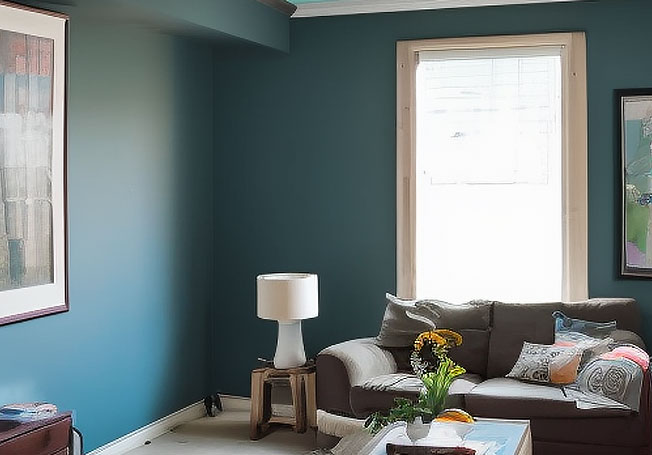
Interior Painters Perth can transform the look and feel of a home. It also protects walls from damage and wear.

There are many trends when it comes to interior painting. Strie is one such trend that allows for a unique look while blending with other aesthetics.

painting

Interior painting is a decorative art form used to make a space more pleasant, appealing and comfortable. It is applied to walls, ceilings and trim. The process can include stencils, murals and patterns. It can also involve woodwork such as moldings. It is a common feature in residential and commercial buildings.

The preparation process is essential for any successful interior painting job. Without it, the finished product will not look as professional or sharp. The prep process consists of several important steps, such as cleaning, making repairs, sanding, priming, caulking seams and more. Performing these tasks properly can ensure that the final result looks good and lasts for a long time.

Before beginning any paint project, it is vital to thoroughly clean the surfaces to be painted. This step will remove any dust, dirt, grime or other debris that may interfere with the outcome of the paint job. It is a good idea to use water and detergent for this purpose. It is also a good idea to vacuum and sweep the space prior to starting.

During the pre-painting phase, it is a good idea to move or cover any furniture in the room. This will help prevent any damage that might be done to the furniture during the painting process. It is also a good idea to cover any electrical outlets and light switches with plastic covers. This will prevent children and pets from accidentally knocking over the covers or getting paint on themselves.

Another key aspect of the pre-painting phase is repairing any cracks or holes in the walls and ceilings. This is important because it will help to ensure that the new paint adheres to the surface properly. It is also a good idea to repair any loose or peeling areas of the wallpaper as well.

The final step in the preparation process is to double-check the color of the paint that is being used. This is a simple and effective way to ensure that all the ingredients are mixed properly and that the shade matches exactly what was intended for the room.

Choosing the right paint color is one of the biggest decisions you’ll make for your home. It’s a commitment, and it will affect the mood, function and style of your space. That’s why it’s a good idea to test swatches on your walls before committing to a color.

Ideally, you’ll be able to do this in a room that is already furnished and decorated. If you can’t do this, you’ll need to test swatches in a similar space with different lighting. It’s a good idea to move the swatches around over a few days to see how they look in different directions of light, too. Taking your time with this process will save you a lot of frustration and money in the long run!

If you’re looking for inspiration, consider starting with a piece of furniture. Pick up throw pillows, blankets or table linens in colors that catch your eye, and use them as a guide for the rest of your color scheme. If you’re not sure how to select a color, consider using a color wheel. Contrasting colors (opposite each other on the wheel) energize and enliven each other, whereas neutrals or harmonious colors (adjacent on the wheel) are aesthetically pleasing.

When choosing paint colors, you also want to keep in mind their undertones. For example, a simple beige may have yellow or green undertones, which will impact the way it looks on your walls. This is why it’s important to sample your paint — you may be surprised by the results!

It’s also a good idea to think about the reason you’re painting. If you’re planning to sell your home, consider sticking with a neutral shade that will appeal to a wide range of buyers. But if you’re not concerned with resale, don’t be afraid to choose bolder shades that will add personality and flair to your space! Just be sure to balance them with lighter trim and furniture shades to avoid a too-busy effect. If you’re still unsure, ask your paint specialist to create a custom blend that will be sure to please!

Painting is a time-consuming project that requires a high level of skill and attention to detail. Whether you’re looking to update the color of your living room or create a new look in your kitchen, a fresh coat of paint can make all the difference. In addition to enhancing the appearance of your home, a new coat of paint can also help hide stains and dirt.

Before beginning the painting process, it is important to prepare the surface for painting. This can include sanding the wall, cleaning the area and applying a primer. Primer helps the new paint to adhere to the surface and prevents it from peeling or chipping over time. It is also important to use low-VOC paint when painting the interior of your home. This type of paint reduces the amount of harmful chemicals that are released into the air and can improve indoor air quality.

If you are planning on selling your home in the future, a fresh coat of paint can make it more attractive to potential buyers. It will also ensure that your home is up-to-date and well-maintained, which can help you get a higher sale price.

It is important to remove as much furniture and other items from the room as possible before beginning the painting process. This will allow you to move around the room more easily and prevent accidental paint splatters on objects that you would like to keep intact. If there are items that you cannot move, be sure to cover them with plastic or painters’ tape to protect them from paint splatters.

Once the walls and trim are prepared for painting, it is time to begin the actual painting process. It is important to work in small sections, and to apply a thin layer of paint at a time. This will help prevent the walls from becoming too saturated with paint, which can cause them to become brittle or contaminated with mold and mildew.

It is also important to remember that it can take several coats of paint to achieve a fully saturated and even finish. If you are having trouble achieving the look that you want, it is a good idea to consult a professional painter who can advise you on what types of finishes and techniques will be best for your home.

A fresh coat of paint can make all the difference in the appearance of a room. It also serves a functional purpose, keeping materials like plaster and drywall from absorbing moisture and degrading over time. This can lead to structural damage, as well as potential contamination by pathogens like mold and mildew. In addition, the use of interior paint can help prevent dust, dirt, and other debris from gathering in a home or business.

A successful painting job requires a number of skills and techniques, including preparation, color selection, and application. Professional house painters are trained to perform these tasks in a safe and efficient manner, allowing them to complete projects more quickly and accurately than the average homeowner.

Interior painting is an inexpensive way to give your home or business a facelift and improve its overall look and feel. This is especially true if you live in an older home that hasn’t been painted in some time. In some cases, a fresh coat of paint can even increase the value of your property.

If you have a little extra time on your hands, you can save yourself some money by tackling the task yourself. However, painting an entire room is a significant project that can be overwhelming for people with limited experience. It’s important to take the time to choose the right supplies, prep the area, and practice the proper techniques in order to get a professional-quality finish.

There are a number of different interior paints on the market, and each has its own unique benefits. Water-based interior paints, for example, generally have lower VOC levels than oil-based varieties. Additionally, many water-based paints are odorless and don’t require any special ventilation. This makes them an ideal choice for people who have sensitive respiratory conditions or young children.

In this video, professional painter Frank Sinicrope explains the different components of interior painting and tips for getting a smooth and even coat. He also discusses the importance of patching cracks and holes, using the right type of brush, and preparing surfaces properly before painting.

The Importance of Hiring Professional Exterior Painters

Exterior Painters

Painting a home’s exterior is a big job that can add significant value to your property. Exterior Painters

A quality paint job takes time to prepare the surface, kill mildew and other spores, patch, and caulk. Protecting windows, light fixtures, and shrubbery from overspray is also important.

An exterior paint job takes a beating from the elements. High UV rays, rain, and humidity can all wreak havoc on the protective coating that covers it, so you or your hired commercial painters must take the time to prep the surface for new paint properly. While prepping may be the least glamorous part of painting, it’s probably the most crucial.

A good start is to remove any larger furniture items that will obstruct the surfaces you want painted. You’ll also want to remove any smaller objects, like wall hangings and curtains.

Next, a thorough cleaning is needed to ensure that the fresh coat of paint will adhere. It’s a good idea to use a low-pressure power washer with the appropriate cleaning additives, such as sodium hypochlorite or bleach. These solutions will work better and faster than plain water at killing mold, mildew and moss. If you have a multi-story home, you’ll need to rent or purchase a ladder that can support your weight and safely extend to the height of each area you wish to paint.

If there are any shrubs or flowers near the areas you’re going to be working in, you should cover them with a tarp or other material to prevent damage from paint debris. You can also try to tie them back or relocate them for the duration of the painting project. Similarly, you’ll want to protect any water features, such as koi ponds and waterfalls, so that they don’t get inadvertently covered with fresh coats of paint.

You’ll also want to check the surface for any damage that has occurred to your woodwork or stucco, and fix it as necessary. For example, if a nail pops out of the side of a board, you’ll need to hammer it back in and then nail it again to ensure that a fresh coat of paint will hold securely.

Finally, you’ll need to make sure that all caulk is intact around the edges of your home, to prevent moisture from seeping in and creating a potential future problem. A thorough inspection will reveal any spots where the caulking is loose or peeling.

Selection of Colors

The color selection for a home’s exterior is one of the most important parts of any residential painting project. There are many factors to consider, and a professional opinion can go a long way in ensuring the success of your new color scheme. Start by looking at homes in your neighborhood to find examples of color schemes that work well. You can also ask a local residential painting company about their favorite exterior paint colors. They will likely have experience working on a variety of different types of houses and can provide valuable feedback.

The type of material that makes up your home’s exterior should play a role in the color choices you make. Stone, brick, and other materials that aren’t painted will have undertones that influence how a certain color will look on your house. For this reason, it’s best to choose a paint color that either matches these undertones or works in harmony with them. If you’re unsure of which shade to choose, try testing your options on a small section of the exterior. This will give you a better idea of how the color will look under different lighting conditions and in different weather.

Timeless colors like blue, yellow, or red can be great choices for a traditional home. They are crowd-pleasing and can add a pop of personality without being overpowering. For a more modern or eclectic style, you can experiment with bolder colors and create something truly unique.

When choosing a color for your home, it’s also important to take into account the surrounding neighborhood. While you don’t have to match your home with those of the neighbors, a clash can detract from curb appeal and may even make your house appear less desirable to potential buyers. In this case, it’s best to choose a color that complements, but doesn’t mirror, your neighbors’ homes.

Finally, it’s generally a good idea to stick to three colors or shades for your home’s exterior. More than that can be overwhelming and can cause your home to feel disjointed and unfinished.

Application

Painting a home’s interior or exterior can make the world of difference to its curb appeal. The right color can bring out the details in trim work, cover up a dated look or give a house a real stand-out on the block. It can even increase its resale value. But, it takes special skills and equipment to do a good job. Hiring professional residential exterior painters is the way to go.

In addition to the prep work and sanding, exterior painting involves cleaning and caulking windows and doors as well as masking anything that is not going to be painted. It also requires the use of power washers and scrapers to ensure a clean and smooth surface for the new paint. A great paint job should last for a long time, but it is important that it be done correctly to prevent water damage and other issues.

Exterior painters can help homeowners with the process of choosing the right color, determining how much paint will be needed and what is needed to prepare the surfaces before painting. They can also provide recommendations for stains and sealers to protect the new paint once it is applied.

One of the key things to look for in an exterior painter is whether they use a water-based or oil-based product. Both kinds of paint have their advantages, but they are not interchangeable. They are designed for different purposes and are formulated to resist specific weather conditions. For example, latex and acrylic paints will not hold up in cold, snowy winter weather. Oil-based products are better suited for these conditions.

It is also important to choose a painting company that specializes in both interior and exterior painting. This will ensure that they have the skills and knowledge to tackle both types of projects in a timely and efficient manner. They will also know the right type of paint to use and will be able to recommend a product that is rated for outdoor use. It is also important to choose a company that will guarantee their work and will supply a written estimate and contract before any painting begins. This will protect the homeowner in case something goes wrong during the project.

Maintenance

An exterior paint job is not only about improving the look of your building; it’s also a protective coating that helps to prevent wood rot, weathering, organic growth and insect invasion. However, the paint system deteriorates over time, and maintenance is essential to prolonging its life. It’s recommended to perform touch-up painting after every one or two years.

This will ensure that any areas where the paint has failed are treated promptly. In addition, it will also extend the overall durability of the paint, reducing the frequency at which you will need to repaint the entire surface.

The type of material your home’s exterior is constructed from, its location and the quality of the craftsmanship of the previous painting or staining jobs will determine how long your current surface will last. As a general rule, wood surfaces need to be painted or stained every 3-7 years and metal siding every 5-10. The best way to make sure that your new surface lasts is to work with a professional contractor who will use high-quality materials.

Before you hire someone to perform your project, request detailed bids from several contractors. Ask each to provide the names and phone numbers of satisfied customers who they have worked for, and if possible, visit these homes to see their work. This will help you avoid hiring an inexperienced painter or paying too much for a low-quality job.

Once you have selected a contractor, be clear about what you are hoping to achieve. The contractor will offer varying opinions and suggestions – after all, they are experts – but you have the final say on color, finish types and more. Don’t be afraid to speak up if you feel a push toward a choice that is not in line with your vision.

A good painter will not only price your project based on the amount of square footage, number of coats and other factors, they will also provide a quote for any necessary repairs. They will not overcharge for paint or other products, and they will be honest about the amount of gallons you will need to cover your project. It is important to note that each gallon of paint covers 300 to 400 square feet, so be careful not to overbuy.