Pest activity is closely connected to environmental conditions, particularly weather and climate. Changes in temperature, humidity, rainfall, and seasonal patterns all influence how pests behave, reproduce, and move. Understanding how weather and climate affect pest activity is essential for effective prevention and long-term pest management. By recognizing these patterns, property owners can anticipate potential infestations and take proactive steps to protect their spaces. Discover further details at https://www.benspest.biz/.
The Relationship Between Pests and Environmental Conditions
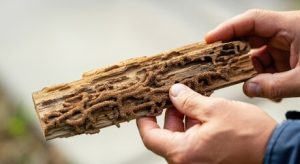
Pests are highly adaptive organisms that rely on environmental cues to survive. Weather and climate determine the availability of food, shelter, and breeding conditions. When these factors align, pest populations can grow rapidly. Conversely, unfavorable conditions may force pests to migrate or seek alternative environments, often indoors.
Climate refers to long-term weather patterns, while weather represents short-term changes. Both play a role in shaping pest behavior. Shifts in either can influence pest life cycles, activity levels, and infestation risks.
Temperature and Pest Behavior
Temperature is one of the most influential factors affecting pest activity. Most pests are cold-blooded, meaning their body temperature and activity levels depend on their surroundings. Warmer temperatures generally increase metabolism, leading to higher activity and faster reproduction.
In colder conditions, many pests slow down, become dormant, or seek shelter. This often drives them indoors, where temperatures remain stable. Understanding temperature thresholds helps explain why certain pests appear seasonally and why infestations can spike during specific times of the year.
Seasonal Temperature Changes and Infestation Patterns
Seasonal temperature shifts create predictable pest activity cycles. In warmer months, insects tend to be more visible as they forage, breed, and expand their territories. Increased outdoor activity raises the likelihood of pests entering buildings in search of food and water.
During cooler months, pests often prioritize survival. Reduced outdoor resources and lower temperatures push them toward enclosed spaces. This seasonal migration makes regular monitoring and preventive measures especially important throughout the year.
Humidity and Moisture as Pest Attractants
Humidity plays a significant role in pest survival and reproduction. Many pests thrive in moist environments, where dehydration risks are minimal. High humidity levels support breeding, egg development, and microbial growth that attracts certain insects.
Moisture problems within buildings, such as leaks or condensation, create ideal conditions for pests regardless of the outdoor climate. Weather patterns that increase humidity or rainfall can amplify these issues, making moisture control a critical aspect of pest prevention.
Rainfall and Pest Movement
Rainfall affects pest activity in multiple ways. Moderate rainfall can increase vegetation growth, providing food and shelter for pests. Excessive rainfall, however, may flood nests and burrows, forcing pests to relocate.
When outdoor habitats become saturated, pests often move toward higher, drier ground. This frequently leads them into homes and buildings. Understanding rainfall patterns helps explain sudden increases in indoor pest activity following storms or prolonged wet periods.
Drought Conditions and Pest Adaptation
Drought conditions can also influence pest behavior. Limited water availability forces pests to seek moisture wherever it can be found. This often leads to increased activity around plumbing systems, irrigation areas, and indoor spaces.
During droughts, pests may become more aggressive in their search for resources. Reduced natural food sources can drive them toward human environments, increasing the risk of infestation even in otherwise dry conditions.
Wind and Pest Dispersal
Wind plays a less obvious but still important role in pest movement. Strong winds can carry flying insects over long distances, introducing them to new environments. Wind can also displace pests from their natural habitats, pushing them toward sheltered areas.
Changes in wind patterns can affect how pests spread and where they settle. Buildings that offer protection from wind often become attractive refuge points, especially during storms.
Climate Change and Long-Term Pest Trends
Long-term climate changes are altering pest activity patterns worldwide. Gradual increases in average temperatures extend breeding seasons and allow pests to survive in areas previously unsuitable for them. Milder winters reduce natural population controls, leading to larger pest populations.
Changes in climate can also shift pest life cycles, making infestations less predictable. Extended warm periods may result in multiple breeding cycles within a single year, increasing overall pest pressure.
The Impact of Extreme Weather Events
Extreme weather events such as heatwaves, heavy storms, and sudden temperature fluctuations can disrupt pest populations. These events may temporarily reduce certain pests while creating opportunities for others.
Following extreme weather, pest activity often rebounds quickly. Damaged structures, standing water, and debris create new entry points and breeding sites. Proactive inspections after extreme weather help identify and address emerging risks.
How Weather Influences Pest Reproduction
Weather conditions directly affect pest reproduction rates. Warm temperatures and high humidity accelerate egg development and larval growth. Favorable conditions can lead to rapid population increases in a short time.
Unfavorable weather may slow reproduction but rarely eliminates pests entirely. Many species have survival strategies that allow them to persist until conditions improve. This resilience highlights the importance of ongoing pest monitoring.
Weather-Driven Changes in Food Availability
Weather affects plant growth, decay, and food availability for pests. Abundant vegetation during certain seasons supports higher pest populations. Conversely, weather-related crop damage or reduced plant growth can drive pests toward alternative food sources.
Human environments often provide consistent food access, making them especially attractive during periods of environmental stress. This connection explains why pest activity often increases indoors following significant weather changes.
Indoor Climate Control and Pest Activity
Indoor climate control can influence pest behavior as well. Heating and cooling systems create stable environments that attract pests seeking consistent temperatures. Poorly maintained systems may also introduce moisture and shelter opportunities.
While indoor climate control improves comfort for occupants, it can inadvertently support pest survival. Regular maintenance and inspections help minimize these risks.
Predicting Pest Activity Based on Weather Patterns
Understanding weather patterns allows for better prediction of pest activity. Anticipating seasonal changes, rainfall trends, and temperature shifts helps property owners prepare for increased pest pressure.
Predictive awareness supports preventive pest management strategies. By addressing vulnerabilities ahead of time, property owners reduce the likelihood of infestations during peak activity periods.
Preventive Measures Aligned With Weather Conditions
Effective pest prevention adapts to changing weather conditions. Sealing entry points before colder seasons, managing moisture during wet periods, and maintaining sanitation during warmer months all contribute to reduced pest risks.
Aligning preventive measures with weather patterns ensures year-round protection. This proactive approach minimizes the need for reactive treatments and supports long-term pest control success.
The Role of Inspections in Weather-Related Pest Control
Regular inspections are essential for managing weather-related pest risks. Inspections help identify how weather has impacted a property, including new entry points, moisture issues, or environmental changes.
By addressing these factors promptly, inspections prevent weather-driven pest problems from escalating. Consistent monitoring supports adaptive pest management strategies that respond to changing conditions.
Adapting Pest Control Strategies to Climate Trends
As climate trends continue to evolve, pest control strategies must adapt. Long-term planning that accounts for shifting pest behaviors and extended activity seasons is increasingly important.
Adaptive strategies focus on prevention, education, and monitoring rather than short-term solutions. This forward-thinking approach ensures effective pest management in a changing environment.
Why Awareness Matters for Property Protection
Awareness of how weather and climate affect pest activity empowers property owners to take timely action. Recognizing patterns reduces surprise infestations and supports informed decision-making.
Education and awareness also encourage collaboration between occupants and pest control professionals. Shared understanding leads to more effective and sustainable outcomes.
Long-Term Benefits of Weather-Informed Pest Management
Weather-informed pest management reduces risks, costs, and disruptions over time. By anticipating pest activity, property owners can implement targeted preventive measures that protect structures and health.
This proactive approach supports long-term property protection and peace of mind. Understanding the connection between weather, climate, and pests creates a strong foundation for effective pest control.
Weather and climate play a powerful role in shaping pest activity. From temperature and humidity to rainfall and long-term climate trends, environmental conditions influence how pests survive and spread. Understanding these factors allows property owners to anticipate risks and respond proactively.
By aligning pest management strategies with weather patterns and climate conditions, infestations become easier to prevent and control. A weather-aware approach to pest management ensures healthier, safer, and more resilient living and working environments year-round.

 Pest Identification